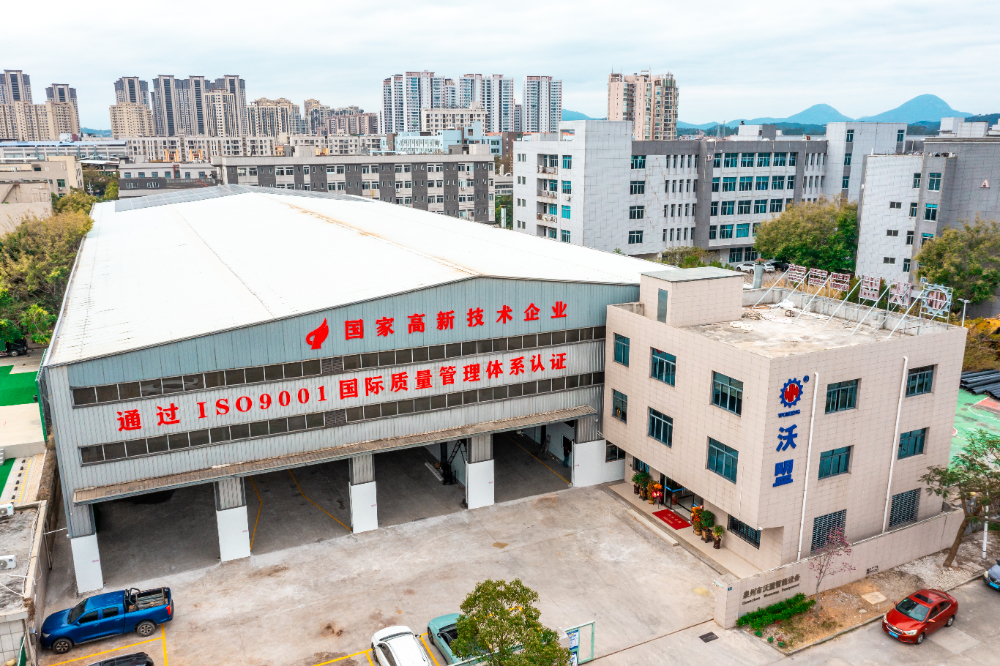

Baby Pull-Up Diaper Machine Manufacturer: A Guide for Your Business
2026-03-08
Are you in the market for reliable baby pull-up diaper machinery but overwhelmed by the options? Look no further—this guide is your go-to resource for navigating the manufacturing landscape. As a leading expert in the industry, Womeng brings you insider insights to help your business thrive. We'll uncover key considerations, from efficiency and cost-effectiveness to cutting-edge technology, ensuring you make informed decisions that set you apart in the competitive diaper market. Get ready to discover practical tips and trends that can transform your production process. Dive in and see how Womeng can be your trusted partner in driving success.
Understanding the Basics of Baby Pull-Up Diaper Production Technology
When it comes to producing baby pull-up diapers, the technology revolves around creating a comfortable, secure, and absorbent product that mimics underwear for easier use as infants transition to mobility. The core process typically starts with a non-woven fabric outer layer that is breathable yet leak-proof, often enhanced with elastic waistbands and leg cuffs to prevent gaps. Inside, a superabsorbent polymer (SAP) is sandwiched between layers of fluff pulp and a soft top sheet, which quickly draws moisture away from the baby's skin to maintain dryness. Advanced machines handle this assembly through continuous rolls, where materials are cut, sealed, and formed into the familiar pull-up shape, ensuring consistency in fit and performance across millions of units.
A key aspect of this technology is the integration of stretchable materials that allow the diaper to move with the child, reducing chafing and improving comfort during active play. Manufacturers often incorporate features like wetness indicators and hypoallergenic components to address parental concerns. The production line must balance speed and precision, using sensors and automated controls to adjust tension and alignment, minimizing waste while meeting stringent hygiene standards. Innovations in this field focus on enhancing sustainability, such as using biodegradable materials or reducing the overall environmental footprint without compromising on absorbency or durability.
Key Factors Influencing the Cost of a Pull-Up Diaper Manufacturing Unit
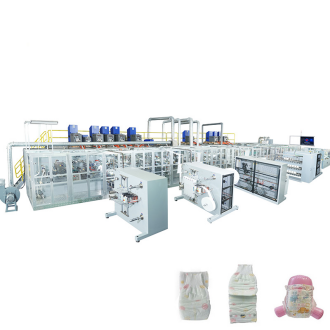
Setting up a pull-up diaper manufacturing unit involves a complex interplay of costs, from initial capital outlay to ongoing operational expenses. The budget can vary significantly depending on factors such as the scale of production, automation level, and geographical location. For instance, a small-scale facility might focus on manual or semi-automated lines to reduce upfront investment, while a large-scale operation would require advanced machinery like high-speed converting lines for efficiency, driving costs higher. Additionally, costs for site acquisition, construction, and compliance with local regulations (like environmental and safety standards) can add substantial initial expenses.
Another critical factor is the choice of raw materials. The quality and sourcing of components such as superabsorbent polymers, nonwoven fabrics, elastic strands, and adhesives directly impact the unit cost per diaper. Opting for premium or eco-friendly materials often increases expenses but can be justified by market demand for higher-end products. Moreover, supply chain logistics—such as proximity to suppliers and transportation costs—play a role in overall material costs. Fluctuations in global commodity prices, like those for petroleum-based materials, can also lead to unpredictable budget adjustments.
Beyond machinery and materials, operational factors like labor, energy consumption, and maintenance contribute to the total cost. Skilled technicians are essential for running automated equipment efficiently, and their salaries vary by region. Energy-intensive processes, such as drying and sealing, require reliable power sources, which can be costly in areas with high electricity rates. Regular maintenance to prevent downtime and ensure product quality adds to long-term expenses. Balancing these factors strategically, such as by investing in energy-efficient technology or training staff in-house, helps manage costs effectively while maintaining competitiveness.
Navigating Global Suppliers and Equipment Selection for Reliable Machines
When sourcing reliable machines for industrial operations, navigating global suppliers involves more than just comparing prices; it requires a deep dive into their track record for quality and consistency. Look beyond the surface by examining case studies and customer testimonials that highlight real-world performance in similar environments, as this can prevent costly downtime and maintenance issues down the line.
Selecting the right equipment goes hand-in-hand with supplier evaluation, as factors like compatibility with existing systems and scalability must be weighed against initial costs. Consider engaging in pilot projects or requesting detailed technical specifications to ensure the machinery aligns with your specific operational demands, which can lead to long-term efficiency gains and reduced operational risks.
Building strong relationships with global suppliers by fostering open communication about expectations and feedback can also enhance reliability, as mutual understanding often results in better support and quicker problem resolution when issues arise during deployment or use.
Customization Options to Meet Diverse Market and Branding Demands
Navigating the vast landscape of today's marketplace demands more than just a one-size-fits-all approach. Customization options empower businesses to align their offerings precisely with various market segments and unique branding visions. By integrating adaptable features, companies can craft solutions that resonate deeply with specific customer needs, fostering stronger brand loyalty and competitive advantage.
Brands that leverage tailored options often find themselves standing out in crowded spaces, as these adaptations reflect a keen understanding of diverse consumer preferences. This flexibility allows for seamless adjustments in design, functionality, or messaging, ensuring each interaction reinforces the brand's identity and meets evolving market demands. Such personalized touches can transform standard products into memorable experiences that customers cherish and advocate.
Ultimately, embracing customization not only addresses immediate market challenges but also builds a foundation for sustainable growth. It enables brands to pivot swiftly in response to trends, integrate customer feedback creatively, and maintain relevance across different cultures and demographics. This strategic approach ensures that every element of the offering is a true extension of the brand's core values and aspirations.
Operational Considerations for Smooth Production and Quality Control
To ensure seamless production and consistent quality, integrating real-time monitoring systems directly on the factory floor proves invaluable. By leveraging IoT sensors and automated data collection, teams can swiftly identify bottlenecks or deviations, enabling proactive adjustments rather than reactive fixes. This approach not only minimizes downtime but also fosters a culture of continuous improvement, where every anomaly becomes a learning opportunity.
Cross-functional collaboration between production and quality assurance teams is another critical factor. Instead of siloed operations, regular joint reviews and shared dashboards help align goals, such as reducing defect rates while maintaining output efficiency. For instance, involving quality specialists early in the design phase can preempt issues, leading to smoother workflows and fewer reworks down the line.
Adopting flexible quality protocols tailored to specific product lines, rather than one-size-fits-all standards, enhances overall control. Customized checklists and adaptive testing methods accommodate variations in materials or processes, ensuring that quality isn't sacrificed for speed. This nuanced strategy supports a dynamic production environment where both efficiency and excellence thrive in tandem.
Future Trends in Automation and Sustainability in Diaper Manufacturing
In the diaper manufacturing industry, a dual focus on automation and sustainability is driving transformative changes aimed at efficiency and eco-consciousness. Recent advancements are increasingly integrating smart automation systems, such as IoT-enabled machinery and AI-driven predictive maintenance, which streamline production lines and reduce downtime while minimizing waste. This shift not only enhances cost-effectiveness but also supports greener practices by optimizing resource use, paving the way for a more resilient supply chain in the face of rising consumer demand for sustainable products.
Simultaneously, sustainability efforts are evolving beyond traditional approaches, with manufacturers exploring innovative materials like plant-based or biodegradable alternatives to conventional plastics. These initiatives are complemented by automation technologies that enable precise material handling and recycling processes, reducing environmental footprints. As regulatory pressures and market expectations grow, companies are adopting closed-loop systems that turn production scraps into raw materials, fostering a circular economy model that could redefine industry standards in the coming years.
Looking ahead, the synergy between automation and sustainability is set to accelerate, with trends pointing toward fully automated, energy-efficient factories that leverage renewable energy sources. This convergence is likely to spur new business models, such as subscription-based services for reusable diapers, supported by robotic assembly and advanced logistics. Ultimately, these trends will not only boost competitiveness but also contribute to global sustainability goals, making diaper manufacturing a key player in the journey toward a more automated and eco-friendly industrial landscape.
FAQ
A baby pull-up diaper machine is an automated production line designed to manufacture pull-up style diapers, which are easier for toddlers to put on and remove compared to traditional tape diapers, enhancing convenience for both parents and children.
Unlike standard machines that produce tape-fastened diapers, pull-up diaper machines incorporate specialized components to create elastic waistbands and leg cuffs, allowing for a pant-like fit that toddlers can manage independently as they grow.
Prioritize manufacturers with proven experience in diaper machinery, offering customizable solutions, robust after-sales support, and compliance with international safety standards to ensure reliable, long-term operation for your business.
Yes, reputable manufacturers typically provide options to adjust machine settings for various sizes (e.g., for infants to larger toddlers) and accommodate different absorbent materials or eco-friendly alternatives, giving you flexibility in product development.
Production capacities vary widely, from small-scale models producing a few hundred diapers per hour to high-speed lines exceeding 1,000 units per hour, allowing you to scale operations based on market demand and optimize costs efficiently.
While initial investment might be higher due to advanced features, these machines often have lower long-term operational costs through energy efficiency and reduced downtime, with manufacturers offering maintenance plans to minimize expenses.
Recent innovations include integration of IoT for real-time monitoring, improved sustainability features like reduced material waste, and enhanced automation to boost production speed while maintaining high quality standards.
Work with manufacturers that adhere to global standards such as ISO certifications, provide documentation on material safety, and incorporate eco-friendly practices, helping you meet regulatory requirements in your target markets.
Conclusion
A baby pull-up diaper machine manufacturer plays a pivotal role in enabling businesses to produce high-quality products that meet modern standards. Understanding the basics of diaper production technology is crucial, as it involves intricate processes like non-woven material handling, absorbent core formation, and elastic application. Coupled with key factors influencing costs—such as raw material expenses, energy consumption, and labor requirements—a well-planned manufacturing unit can ensure efficiency and profitability. Navigating global suppliers and selecting reliable equipment are critical steps, as they directly impact machine uptime and product consistency. By integrating these aspects, businesses can tailor their operations to competitive demands, ensuring smooth production and adherence to quality control measures.
Customization options allow manufacturers to adapt to diverse market needs and branding strategies, offering features like varied sizes, prints, or eco-friendly materials. Operational considerations, including staff training and maintenance protocols, further enhance productivity and minimize downtime. Looking ahead, future trends in automation and sustainability are shaping the industry, with innovations like AI-driven monitoring and biodegradable components gaining traction. Embracing these advancements not only streamlines processes but also aligns with consumer preferences for environmentally conscious products. Overall, this guide highlights how a strategic partnership with a reputable manufacturer can empower businesses to thrive in the dynamic diaper market, balancing technology, cost-efficiency, and forward-thinking practices.
Contact Us
Contact Person: Jessie Lai
Email: [email protected]
Tel/WhatsApp: 86-188594442931
Website: https://www.wm-machinery.com