

Best Ceramic Fiber Gaskets Manufacturer Reveals How to Select High-Temperature Sealing Solutions
2026-08-15
Choosing a high-temperature sealing gasket isn't a decision you can afford to get wrong—one weak point and you're facing leaks, energy loss, or worse, a shutdown. So when Kaxite, one of the most trusted ceramic fiber gasket manufacturers, agreed to share how their engineers approach extreme-heat applications, we listened. In this post, you'll see the selection criteria they use on the factory floor, minus the sales fluff.
What Makes Ceramic Fiber Gaskets Stand Up to Extreme Heat
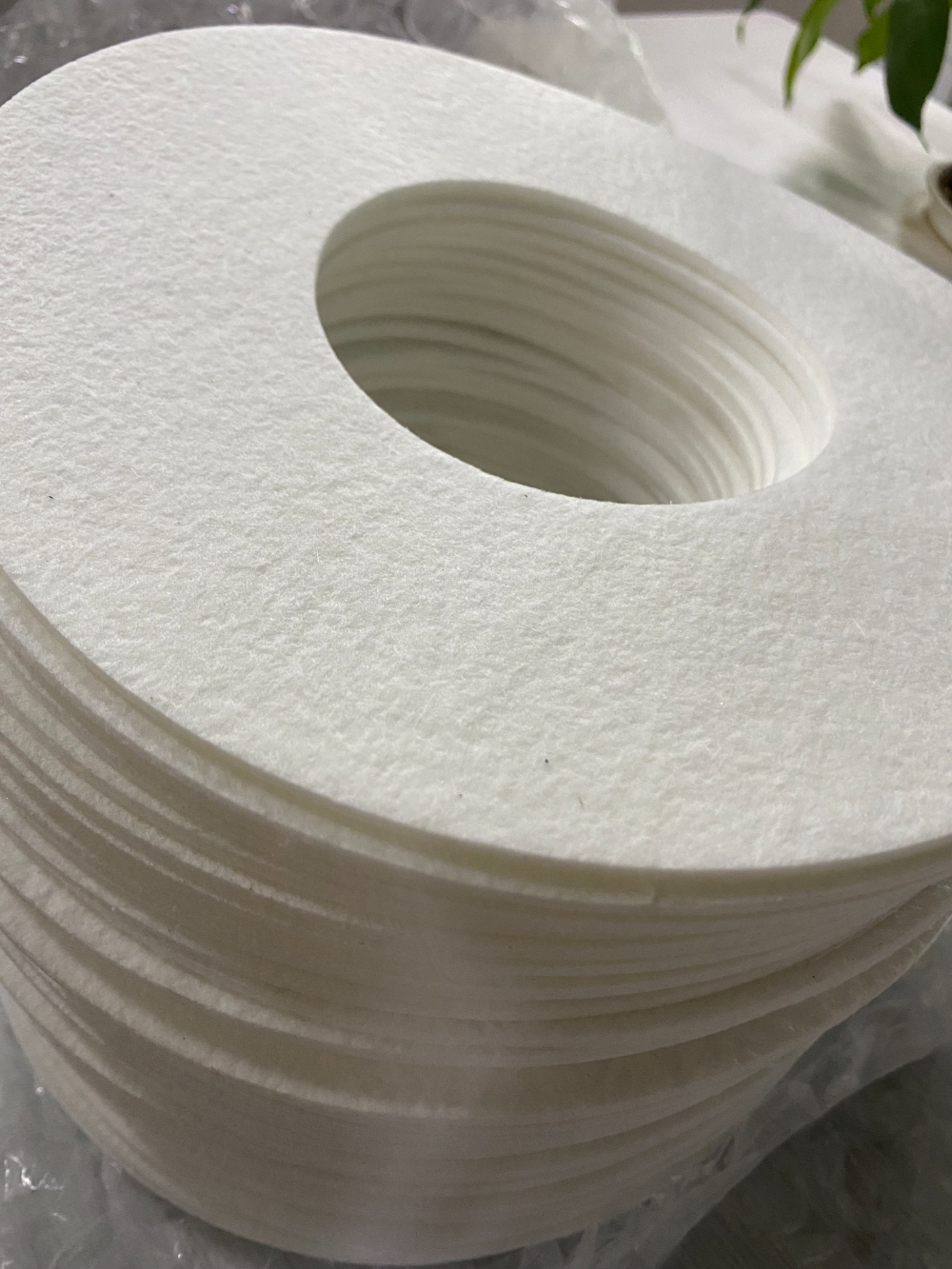
Ceramic fiber gaskets don't just tolerate extreme heat—they thrive in it because their core structure is built from alumina-silicate fibers that stay stable well past 2300°F. Unlike graphite or rubber composites that oxidize, crack, or lose elasticity when temperatures spike, these fibers maintain their integrity without thermal shock. That means the gasket keeps its shape and sealing force even when a furnace cycles from cold start to full blast in minutes.
The material's low thermal conductivity is another silent advantage. It traps heat on the hot face instead of letting it bleed through to the flange bolts or nearby equipment. This cuts down on warped flanges and loosened fasteners—common failure points with metal-reinforced gaskets. Plus, ceramic fiber is naturally resistant to most chemicals and won't shed conductive particles, so you avoid stray current paths in high-voltage heating setups.
What really sets it apart, though, is its forgiveness. The slightly compressible fiber blanket fills micro-irregularities on worn sealing surfaces, compensating for imperfect machining. Add in a thin vermiculite or stainless steel insert only when needed, and you've got a gasket that handles both direct flame impingement and continuous soaking heat without becoming brittle—something rigid ceramic boards simply can't match over thousands of cycles.
Reading Between the Specs for Temperature Pressure and Chemical Resistance
Material datasheets often list temperature, pressure, and chemical resistance as standalone figures, but real-world performance rarely follows those neat columns. A hose rated for 150°C and 10 bar may fail quickly at 120°C if the fluid is also mildly acidic, because heat accelerates chemical attack and pressure cycling weakens the liner. Instead of trusting the headline numbers, look at the test conditions behind them—immersion duration, media concentration, and whether the part was under mechanical load at the same time.
Temperature and pressure are not independent variables. Most polymers and elastomers lose a significant share of their tensile strength as heat rises, which means the maximum working pressure at 90°C can be half of the value at 20°C. Manufacturers sometimes bury this in a derating curve rather than the main table, so if you only read the spec sheet's top line, you may design in a part that is already near its failure point on a summer afternoon.
Chemical resistance charts are similarly easy to misread. A rating of 'A—excellent' for 10% sodium hydroxide at room temperature tells you almost nothing about a 5% solution at 60°C, or a mixture of two 'compatible' chemicals that together form an aggressive byproduct. When the application involves anything beyond a single, dilute, room-temperature fluid, it is worth running a small soak test with actual process samples before committing to a material choice.
Matching the Gasket to the Application From Boilers to Furnaces
The demands placed on a gasket shift significantly depending on whether it seals a boiler or a furnace. A boiler often runs at moderate temperatures but sees frequent pressure swings from start-stop cycles and condensate return, so the gasket must handle thermal movement and maintain a tight seal under varying load. Graphite with a stainless steel core, for instance, works well here because it compresses reliably and tolerates steam exposure without breaking down.
In a furnace, the conditions lean harder on thermal endurance than on pressure fluctuation. Temperatures can climb well past what many organic binders can survive, so ceramic fiber, mica, or high-temperature graphite are common choices. The flange surfaces may also be rougher or subject to distortion from repeated heating and cooling, which means the gasket needs enough conformability to fill irregularities without being crushed.
Beyond material selection, getting the right match means looking at the whole sealing system. Bolt load, flange thickness, and operating media all influence whether a gasket will hold. For boilers, steam and hot water can cause corrosion if the gasket retains moisture; for furnaces, oxidation and thermal shock can crack rigid materials. Matching the gasket to the application isn't a one-size-fits-all decision, and a little upfront analysis of temperature range, pressure cycles, and chemical exposure saves a lot of trouble later.
The Hidden Cost of Choosing the Wrong Sealing Material
A maintenance manager might save a few hundred dollars by switching to a cheaper gasket, but the first unexpected leak can halt a production line for hours. That single downtime event often wipes out any upfront savings, and then some. The real cost isn't the seal itself—it's the lost output, overtime labor, and rush shipping fees for a replacement that could have been avoided with the right material from the start.
Material compatibility is another trap. A seal that works fine with water can swell, harden, or dissolve when exposed to certain chemicals, temperature swings, or pressure spikes. Even tiny cracks can become slow leaks that corrode flange faces or contaminate the product. In food or pharmaceutical processing, a wrong elastomer can shed particles into a batch, forcing a full recall. Those costs never appear on the purchase order, but they absolutely hit the bottom line.
There's also the quiet drain of repeated maintenance. When seals fail early, technicians spend hours swapping them out, and inventory gets bloated with spare parts that shouldn't be needed. Over a year, those labor hours and stock costs add up to far more than the premium seal would have cost. Some facilities only notice the pattern during an annual audit, when the maintenance budget shows a steady bleed tied to a single bad material decision.
Installation Mistakes That Shorten Gasket Life and How to Avoid Them
Over-tightening bolts is one of the most common installation errors. Many technicians assume that extra torque means a better seal, but the opposite is often true. Excessive compression can crush the gasket, causing it to extrude from the flange or lose its ability to recover after thermal cycling. Instead of guessing, always use a calibrated torque wrench and follow the manufacturer’s recommended bolt sequence and torque values. This keeps compression even and prevents localized stress that leads to premature failure.
Poor flange surface preparation is another frequent cause of shortened gasket life. Even a brand-new gasket cannot seal properly if the flange faces are pitted, scratched, or contaminated with old gasket residue, rust, or grease. Before installation, clean both flange faces with a suitable solvent and inspect them for nicks or warping. For critical applications, check the surface finish against the gasket manufacturer’s specification. A few extra minutes of cleaning can prevent blowouts and leaks that would otherwise require an unplanned shutdown.
Reusing old gaskets or ignoring material compatibility is just as damaging. Once a gasket has been compressed, it loses its resiliency and cannot conform to the flange surfaces on a second installation. Always install a new gasket, and confirm that the gasket material is rated for the process temperature, pressure, and chemical exposure. If a gasket is stored improperly—exposed to UV light, ozone, or extreme temperatures—its shelf life may already be compromised, so inspect the package date before putting it into service.
Verifying Leak-Proof Performance Before It's Too Late
Waiting until the final stages of production to test for leaks is a gamble that rarely pays off. By then, a flawed seal or a weak gasket has already been baked into hundreds or thousands of units, and retrofitting the design becomes costly and disruptive. Early verification, on the other hand, catches these failures while they are still cheap to fix. It shifts the focus from reactive containment to proactive prevention, giving engineers the data they need to refine materials, adjust tolerances, or rethink assembly methods before a single prototype leaves the bench.
A practical verification routine starts with controlled pressure decay tests, where a sealed chamber is pressurized and monitored for any drop over time. For liquid systems, dye penetrant inspection can reveal microscopic pathways that would otherwise go unnoticed. Thermal cycling adds another layer of rigor: subject the component to rapid temperature swings that stress seals and joints, then check for seepage. Each method has its blind spots, so combining at least two approaches provides a more reliable picture. Document every result, even the questionable ones, because a near-miss today often becomes a field failure tomorrow.
FAQ
Ceramic fiber gaskets handle continuous heat from roughly 1000°F up to 2300°F, depending on the fiber blend and binder system. In a neutral or reducing atmosphere they tend to reach the upper limit, but if oxidation is present, you should stay closer to 2000°F to avoid fiber degradation. Match the actual peak temperature, not just the average running condition.
Ceramic fiber wins when you need low thermal conductivity, excellent thermal shock resistance, and no risk of oxidation up to about 2000°F. Graphite handles higher temperatures in non-oxidizing atmospheres but can fail in air above 850°F. Mica makes sense for very high dielectric requirements or extreme temperatures above 1800°F, but it lacks the conformability of ceramic fiber on rough flanges.
For flanges with minor irregularities, a 1/8 inch (3 mm) thick ceramic fiber gasket usually works well. If the surface has deep pitting or misalignment, go up to 1/4 inch (6 mm) and select a softer, more compressible grade. Avoid going thicker than necessary, because excess thickness increases the chance of extrusion under high bolt load.
Yes, they handle thermal cycling better than most rigid high-temperature materials. The fiber structure absorbs expansion and contraction without cracking. For frequent cold-to-hot swings, pick a gasket with a resilient binder and avoid compressing it beyond the manufacturer's maximum stress, since over-compression reduces recovery and leads to leaks when the flange cools.
Clean both flange faces completely, then place the gasket centered and use a cross-bolt tightening pattern in at least three passes. Torque to the low end of the recommended range first, then increase gradually. Do not exceed the maximum compressive load listed for that gasket grade, because crushed fibers lose their seal and can be pushed out under system pressure.
Ceramic fiber itself resists most acids, alkalis, and oxidation, but the binder or filler may limit chemical compatibility. For strongly oxidizing conditions above 1800°F, choose a high-purity alumina-silica fiber with a low organic binder content. In acidic or alkaline service, verify the specific pH range with the manufacturer before relying on standard ceramic fiber.
Compressibility generally falls between 10% and 30% depending on density and binder. Recovery after unloading is usually 20% to 40%, which helps maintain a seal during thermal movement. Look for a grade with higher recovery if your flange bolts tend to relax or if the system experiences pressure pulses.
Replace it when you notice visible fiber erosion, binder discoloration beyond light surface oxidation, thickness loss greater than 30% from original, or any sign of cracking or delamination. If the flange starts weeping at operating temperature even after re-torquing to the recommended limit, the gasket has likely lost its resilience and should be swapped out.
Conclusion
Ceramic fiber gaskets earn their place in extreme heat because the fiber matrix stays flexible and resilient even when metal flanges expand and contract, absorbing thermal shock without hardening or cracking. Still, a high temperature rating on a datasheet means little until you check the full picture: how much compressive load the material can take, whether it resists attack from acids, alkalis, or steam, and how much relaxation occurs after repeated cycles. What works inside a boiler may fail quickly in a furnace with a different atmosphere or pressure swing, so matching the gasket style and density to the specific equipment matters far more than chasing the highest heat number.
The real cost of choosing the wrong sealing material often shows up after startup—unscheduled shutdowns, lost process heat, and flange damage from blowouts that a cheaper or misapplied gasket invited. Many failures also trace back to installation: over-tightening crushes the fiber structure, reusing a compressed gasket leaves no recovery, and dirty or warped flanges prevent even contact. Before putting any high-temperature seal into service, a short verification step pays off—run a low-pressure test, watch for pressure decay, and if possible cycle the joint once or twice to confirm it still holds. A reliable manufacturer will help you read between the spec lines and test under real conditions rather than just promising a number.
Contact Us
Contact Person: Kaxite
Email: [email protected]
Tel/WhatsApp: 0086-574-87527771
Website: https://www.seal-china.com