

Best Explosion-Proof Reactor Heaters for Maximum Safety and Efficiency
2026-07-12
In high-risk industrial environments, nothing matters more than safety and efficiency—especially when dealing with volatile substances. That’s where the right explosion-proof reactor heater makes all the difference. Designed to withstand extreme conditions while maintaining precise temperature control, these heaters are the unsung heroes of chemical processing. At Shenzhou Chemical Industry, we’ve seen firsthand how the right heating solution can transform operations, preventing hazards and boosting productivity. But what truly sets a best-in-class explosion-proof heater apart? Let’s dive into the critical features and innovations that ensure maximum protection without compromising performance.
Inside the Build: What Makes These Heaters Truly Explosion-Proof
Explosion-proof doesn’t just mean a rugged housing slapped onto a standard heating element. The real secret lies in the flame path engineering. Every joint, thread, and flange is machined to tolerances so tight that if an internal ignition occurs, the escaping gases have cooled enough by the time they reach the outside atmosphere to prevent any external blast. This isn’t theory—it’s precision metalwork that turns a potential bomb into a controlled, safe system.
Material selection is another overlooked hero. We’re not using off-the-shelf stainless steel here. The alloys chosen resist hydrogen embrittlement and sulfide stress cracking, common killers in petrochemical environments. Even the heating elements themselves are encased in hermetically sealed, mineral-insulated bundles that can withstand thermal shock that would shatter lesser designs. It’s this attention to metallurgy that keeps the explosion risk from ever taking root.
Finally, the entire assembly undergoes rigorous third-party testing that goes well beyond ticking a compliance box. Thermal imaging under load, pressurized gas tests with actual flammable mixtures, and prolonged cycling at extremes of the rated temperature range are all part of the playlist. If a heater survives that gauntlet with zero leak paths and no hot spots exceeding ignition thresholds, only then does it earn the explosion-proof label.
Heat Transfer Tricks That Boost Reactor Efficiency by Double Digits
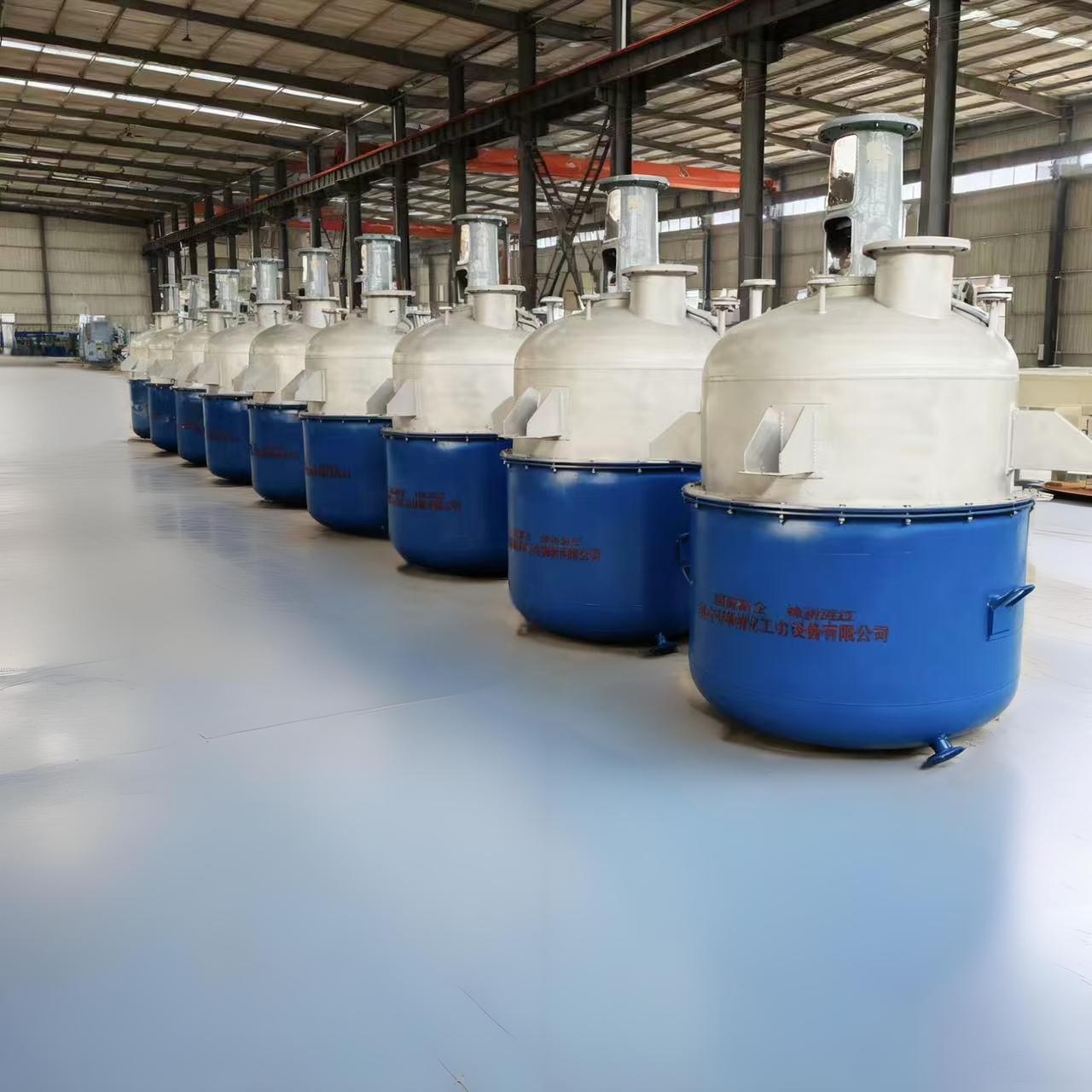
In the world of reactor design, heat transfer often seems like a solved problem—until you realize how much efficiency is lost through conventional approaches. Many plants run with standard jacketed vessels or internal coils that, over time, develop fouling layers, uneven flow patterns, and dead zones where heat exchange practically stops. The real trick isn’t just specifying higher heat transfer coefficients on paper. It's about rethinking fluid dynamics at a fundamental level. For instance, switching from simple baffle arrangements to helical static mixers inside tubes can disrupt boundary layers continuously, increasing local turbulence without massive pressure drops. When combined with pulse flow modulation—where the heating or cooling medium is intentionally pulsed rather than delivered at a steady rate—the Nusselt numbers can jump well beyond what steady-state correlations predict. These aren't theoretical gimmicks; field retrofits have shown 15–20% improvements in overall heat duty, simply by breaking the laminar sublayer that clings stubbornly to surfaces in typical designs.
Another overlooked lever is the intentional use of phase-change additives or microencapsulated phase-change materials suspended in the heat transfer fluid. By tuning the melting point to match the operating temperature range, these particles absorb and release latent heat within the boundary layer itself. This dramatically flattens temperature gradients and boosts effective thermal conductivity by an order of magnitude—without requiring exotic fluids. It’s a quiet, elegant solution that sidesteps the fouling penalties of extended surfaces and the complexity of mechanical scrapers. Some operators are pairing this with advanced surface coatings that promote dropwise condensation instead of filmwise condensation on the cold side. The improvement in heat transfer coefficient can be staggering, sometimes doubling the condensation rate, all while reducing corrosion and scaling tendencies. Combined, these tweaks don’t just chip away at inefficiency; they compound into double-digit gains that show up directly in throughput and product quality.
The most impactful move, however, is abandoning the assumption that heat exchangers must operate at a single thermal equilibrium. By staggering the flow direction and using split-range temperature control across multiple zones, reactors can be driven with far higher log-mean temperature differences near the inlet—where fouling risk is minimal—and smoother gradients downstream. This seems counterintuitive because it deliberately creates thermal gradients, but it extracts far more heat from the same surface area. When you instrument the reactor shell with fiber-optic temperature sensing and actively trim the utility flow per zone, you can push the overall heat transfer coefficient into territory normally reserved for compact plate exchangers. The secret sauce is real-time optimization: allowing a slight, managed overshoot in cooling water flow at specific segments to induce a self-cleaning shear stress on the wall, then backing off before erosion becomes a concern. It’s a living, breathing heat management strategy that turns a passive vessel into an active thermal engine—and it routinely squeezes out efficiency gains that leave traditional designs looking like they’re from another century.
Material Choices That Withstand Corrosive Chemicals and High Pressures
Selecting the right material for demanding environments goes beyond checking a list of properties. It requires understanding how aggressive media and sustained stress interact over time. For instance, duplex stainless steels like 2205 combine the strength of ferritic grades with the corrosion resistance of austenitic ones, making them a practical middle ground for many chemical processing plants. Their dual-phase microstructure not only handles high chloride levels but also resists pitting under pressure, a silent failure mode that often goes unnoticed until it's too late.
High-performance polymers such as PEEK and PTFE have carved out a niche where metals falter. In systems exposed to hot sulfuric acid or repeated pressure spikes, these materials maintain integrity without the risk of stress corrosion cracking. However, their use demands careful design—creep at elevated temperatures can be a hidden challenge. Blending filled PTFE or opting for carbon-fiber-reinforced PEEK offers a tailored balance, addressing creep while preserving chemical inertness. Field experience often points to these modifications, not the base resin, as the decisive factor in long-term reliability.
Beyond conventional alloys and polymers, advanced ceramics and nickel-based superalloys are reshaping what's possible in extreme service. Alumina ceramics, for example, provide exceptional hardness and acid resistance but require engineered support to handle tensile loads. Inconel 625, with its molybdenum content, thrives in high-pressure, sour gas environments where ordinary stainless steels would quickly succumb. The decision ultimately hinges on a holistic view—weldability, thermal expansion, and even availability can tip the scales when specifying materials for critical applications.
Smart Temperature Control: Avoiding Hot Spots and Thermal Runaway
Uneven heat distribution can silently degrade performance and create dangerous weak points inside electronics or batteries. Smart temperature control uses distributed sensing and adaptive algorithms to continuously map thermal gradients, spotting the earliest signs of hot spots before they cascade into failure.
By dynamically adjusting cooling fans, liquid flow, or load allocation in real time, these systems nip thermal stress in the bud. Instead of relying on fixed thresholds, they learn normal patterns and only intervene when heat concentration deviates from safe norms, preserving efficiency without overcooling.
Thermal runaway prevention adds another layer: when sensors detect conditions that might trigger a self-accelerating temperature spike, the controller immediately isolates affected zones, reduces power draw, and ramps up targeted cooling. This proactive shut‑off logic has become critical in dense battery packs and high‑performance electronics, where seconds can mean the difference between a minor alert and a catastrophic chain reaction.
Sizing Your Heater: Why One-Size-Fits-All Approaches Fail in Practice
Heater sizing isn't a guessing game, yet many still rely on simple square-footage charts or generic wattage recommendations. These cookie-cutter methods ignore the unique thermal personality of your space—how much sun hits your windows, the quality of your insulation, even the number of occupants generating body heat. A heater that's oversized will short-cycle, leaving you with uneven temperatures and a spike in your energy bill, while an undersized unit runs endlessly, struggling to keep up on cold days.
Real-world conditions rarely match the idealized assumptions behind universal sizing guides. A room with tall ceilings or poor sealing will hemorrhage heat, requiring more output than a chart suggests. Conversely, a well-insulated basement might need far less. Ignoring these nuances leads to chronic discomfort and premature wear on the unit, as it either overworks or frequently toggles on and off. The result is a system that never quite feels right, no matter how you adjust the thermostat.
Getting the size right means looking beyond the box. It involves a careful calculation of heat loss based on local climate data, construction materials, and airflow patterns. Without this tailored approach, you're essentially gambling with comfort and efficiency. A properly sized heater runs in longer, steadier cycles, maintaining a consistent temperature without wasting energy. In the end, the extra effort in planning pays off with a noticeable difference in both performance and cost.
Installation Pitfalls That Compromise Safety—and How to Sidestep Them
A rushed installation almost always cuts corners, and safety is the first casualty. One common misstep is ignoring the manufacturer’s specified torque values for fasteners. Over-tightening can crack housings or shear bolts, while under-tightening invites vibration loosening and eventual component detachment. Using an uncalibrated torque wrench or “feeling it out” is a gamble; instead, always follow the precise specifications from the manual and double-check with a reliable tool.
Another trap is mixing incompatible materials, such as pairing galvanized steel with certain aluminum alloys without an isolating barrier. Galvanic corrosion can silently eat away at connections, turning a rock-solid mount into a brittle failure point within months. The fix is straightforward: use approved anti-seize compounds, isolation gaskets, or simply stick to material combinations that are known to be compatible. A quick review of the electrochemical compatibility chart before assembly can save you from a catastrophic collapse.
Skipping the twist test on crimped electrical connectors is a subtle but dangerous oversight. A wire that feels snug can still pull free under vibration or thermal cycling if the crimp wasn’t formed correctly. Rather than relying on a gentle tug, use a proper pull-test—applying a force near the connector’s rated hold—and visually inspect that the strands are fully captured. This small check prevents intermittent failures that are notoriously difficult to trace later.
FAQ
An explosion-proof reactor heater is built with a robust enclosure that can contain any internal sparks or flames, preventing them from igniting flammable gases or vapors in the surrounding atmosphere. This involves using flameproof joints, heavy-duty housings, and special sealing techniques. The design must meet rigorous certification standards like ATEX or IECEx to ensure it can operate safely in hazardous areas.
They eliminate the risk of ignition from the heat source itself. In environments where volatile substances are present, a standard heater’s hot surface or electrical arc could trigger a fire or explosion. Explosion-proof models isolate the heating element from the external environment, so even if a leak occurs, the heater won’t act as an ignition point. This containment is critical for protecting workers and facilities.
Look for the appropriate hazardous area classification (Zone 1, Zone 2, etc.), corrosion-resistant materials (like stainless steel), accurate temperature control with built-in sensors, and overheat protection. The heater should also have flexible mounting options to fit your reactor design and be easy to maintain without compromising the safety envelope. Energy efficiency features like optimized heat transfer and insulation are a bonus.
Absolutely. Modern designs incorporate high-efficiency heating elements, superior insulation, and precise digital controllers that minimize energy waste. For example, some use advanced alloys that convert electricity to heat more effectively, or they employ multi-zone heating to target only the required areas. By maintaining stable temperatures and reducing heat loss, these heaters can lower operational costs while upholding safety.
Regular visual inspections for cracks, corrosion, or loose fittings are essential. Check the integrity of flameproof joints and seals according to the manufacturer’s guidelines. Cleaning to prevent dust or chemical buildup is important, as that can affect heat dissipation. Always isolate power before any maintenance, and follow a scheduled replacement cycle for components like gaskets or temperature probes to avoid unexpected failures.
Yes, provided they have the correct certification for the specific gas or solvent group. The heater’s temperature class must be lower than the auto-ignition temperature of the solvent. When spec'd properly, these heaters are ideal for solvent-based reactions, extraction processes, and distillation setups where flammable vapors are likely. Always consult the solvent’s safety data sheet and match it with the heater’s rating.
They undergo stringent testing like internal explosion tests where a combustible mixture is deliberately ignited inside the enclosure to ensure no flame propagates outside. Temperature tests verify that the external surface stays below the ignition point of surrounding gases. Third-party certification bodies also audit the manufacturing process to confirm consistent compliance with standards.
Precision control prevents overheating, which could degrade the product or cause dangerous pressure buildup. It also ensures the reaction proceeds at the optimal rate, improving yield and reducing batch time. From an efficiency standpoint, avoiding temperature overshoot means less energy is wasted, and the heater doesn’t cycle excessively, extending its lifespan.
Conclusion
Achieving the perfect balance between safety and efficiency in reactor heating starts with a design that truly prevents explosions—not just in theory, but through careful engineering of enclosures and flame paths that contain any internal ignition. These heaters incorporate robust, corrosion-resistant alloys and specialized coatings that stand up to aggressive chemicals and high-pressure environments, ensuring long-term integrity. Smart temperature control goes beyond basic thermostats; it uses distributed sensing and rapid-response algorithms to eliminate hot spots and block the chain reaction of thermal runaway before it can begin. Even with the best equipment, installation missteps like improper sealing or grounding can create hidden vulnerabilities, so a meticulous commissioning process is just as vital as the heater itself.
Efficiency gains come from more than just adding power. Advanced heat transfer techniques—such as optimized flow baffles and high-surface-area elements—can boost reactor performance by double-digit percentages without compromising safety margins. Yet none of this matters if the heater isn’t sized correctly for the actual process demand. Off-the-shelf, one-size-fits-all solutions almost always lead to cycling losses or uneven temperature profiles. A thorough thermal analysis, considering fluid properties, flow dynamics, and reaction kinetics, allows engineers to tailor the heater’s watt density and geometry to the specific reactor, avoiding both safety risks and energy waste. When material robustness, intelligent controls, and proper sizing converge, the result is a heater that doesn’t just meet explosion-proof standards—it sets a new benchmark for reliable, efficient operation in hazardous environments.
Contact Us
Contact Person: Mr. Wang
Email: [email protected]
Tel/WhatsApp: 8613705299955
Website: https://vip.e-baixing.com/szhgyw