

China Mold Steel Explained: A Guide to High-Quality Materials for Industrial Applications
2026-01-28
In the dynamic landscape of industrial manufacturing, the choice of materials is not just a technical decision—it's a strategic investment in quality and efficiency. For industries relying on precision molds, from automotive to consumer electronics, the selection of mold steel defines product integrity, longevity, and production scalability. This guide delves deep into China's mold steel sector, unpacking the nuances of high-performance materials that drive modern applications. As global demand for durable, high-grade solutions rises, understanding these materials becomes essential for engineers, procurement specialists, and industry leaders alike. We'll explore key grades, innovative treatments, and real-world applications, with insights from pioneers like Jiangsu Baowu New Materials, whose expertise in advanced alloys is reshaping standards. Whether you're optimizing an existing process or sourcing for a new project, this resource equips you with the knowledge to navigate China's mold steel offerings confidently—and discover how the right material can transform your industrial outcomes.
Key Properties of Premium Mold Steel for Durability
When selecting mold steel for long-lasting applications, manufacturers prioritize materials that deliver exceptional resistance to wear and tear. Premium grade steels like H13 or P20 excel in this area due to their high hardness and uniform microstructure, which prevent premature failure in demanding environments. These properties ensure molds withstand repeated cycles without significant degradation, reducing downtime and maintenance costs. The combination of advanced alloying elements and precise heat treatment processes further enhances durability, making them ideal for high-volume production where reliability is non-negotiable.
Beyond hardness, the toughness of premium mold steel plays a crucial role in durability. While hardness resists surface abrasion, toughness prevents cracks from forming under stress, especially in molds subject to thermal cycling or impact loads. Steels such as S7 or D2 offer an optimal balance, maintaining structural integrity even when exposed to fluctuating temperatures or mechanical shocks. This resilience minimizes the risk of catastrophic failures, extending the mold's lifespan in industries like automotive or consumer goods where precision and consistency are paramount.
Corrosion resistance is another key factor that boosts the longevity of premium mold steel. In humid or chemically aggressive settings, standard steels can rust or pit, compromising surface quality and leading to costly replacements. High-grade steels with chromium or nickel additives, such as stainless steel variants, provide robust protection against environmental damage. This not only preserves the mold's dimensional accuracy but also ensures clean, defect-free parts over extended use, offering a competitive edge in applications where hygiene or aesthetic standards are critical.
Selecting the Right Mold Steel Based on Application Needs
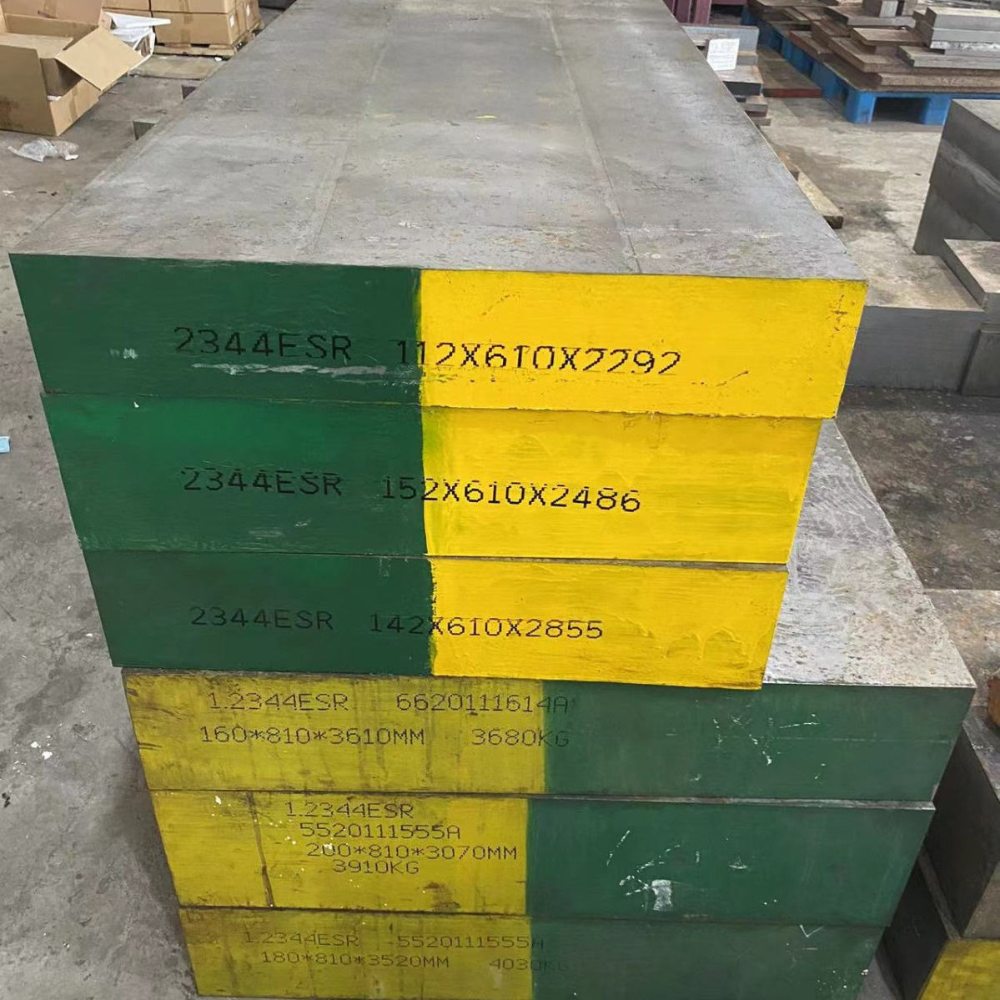
Choosing the right mold steel isn't just about picking a material; it's about matching performance to your specific production demands to ensure durability and efficiency in the long run. Consider factors like the type of plastic being molded, expected production volumes, and the complexity of the part design. For instance, if you're working with abrasive plastics or need high precision over thousands of cycles, a harder steel with superior wear resistance might be essential to prevent premature failure and maintain tight tolerances.
Temperature stability and corrosion resistance are often overlooked but critical aspects in mold steel selection. In applications involving high-temperature processes or exposure to corrosive chemicals, selecting a steel alloy that can withstand these conditions without degrading can significantly extend tool life and reduce maintenance costs. For example, hot work steels are specifically designed for molds that operate at elevated temperatures, offering resistance to thermal fatigue and softening.
Budget constraints and lead times also play a vital role in the decision-making process. While premium steels might offer enhanced properties, they can be more expensive and harder to machine, potentially increasing initial costs and production delays. Balancing cost with performance by opting for a steel that meets the core requirements of your application without overspending can lead to more sustainable and profitable mold-making projects. Sometimes, a mid-grade steel with good machinability and moderate hardness strikes the perfect balance for many common molding tasks.
Heat Treatment Techniques to Enhance Steel Performance
Heat treatment processes play a pivotal role in tailoring steel properties to meet specific industrial demands. By carefully controlling heating and cooling cycles, manufacturers can manipulate the microstructure of steel, unlocking enhanced strength, toughness, and wear resistance. Techniques like annealing, which involves slow cooling from elevated temperatures, effectively soften steel to improve machinability and reduce internal stresses. Conversely, quenching rapidly cools steel to form martensite, a hard yet brittle phase, which can then be tempered to balance hardness with ductility. These fundamental methods allow steel to be optimized for everything from delicate tools to robust structural components, showcasing the versatility that has made steel a cornerstone material in engineering for centuries.
Beyond basic treatments, advanced techniques such as case hardening and precipitation hardening offer tailored solutions for specialized applications. In case hardening, processes like carburizing or nitriding enrich the surface layer of steel with carbon or nitrogen, creating a hard, wear-resistant exterior while maintaining a tough, ductile core. This dual-property approach is invaluable in gears, bearings, and other components exposed to friction and impact. Meanwhile, precipitation hardening, often used with alloy steels, involves solution treating and aging to form fine precipitates that strengthen the material. These sophisticated methods enable steel to withstand extreme environments, such as high-stress aerospace parts or corrosive marine equipment, highlighting how innovation in heat treatment continues to push the boundaries of performance.
The effectiveness of these techniques hinges on precise calibration of parameters like temperature, time, and cooling rates, which vary based on steel composition and intended use. For instance, tool steels benefit from tempering at specific temperatures to achieve optimal hardness without losing resilience, while high-strength low-alloy steels might undergo controlled cooling to refine grain structure for better toughness. Moreover, emerging technologies, including laser and induction hardening, provide localized treatments for complex geometries, reducing distortion and energy consumption. By mastering these nuances, industries can produce steel that not only meets but exceeds performance expectations, ensuring reliability in critical applications from automotive to construction, and demonstrating the ongoing evolution of this ancient yet ever-relevant material science.
Surface Finishing Options for Extended Mold Lifespan
When it comes to boosting mold longevity, surface finishing isn't just a final touch—it's a game-changer. By applying specialized coatings or polishing techniques, manufacturers can drastically reduce wear and tear from friction and corrosion. For example, a well-executed nitriding treatment can harden the surface, making molds more resilient against abrasive materials. This proactive approach means fewer replacements and consistent part quality over thousands of cycles.
Diving deeper, options like PVD (Physical Vapor Deposition) or diamond-like carbon coatings offer unique advantages. These ultra-thin layers enhance lubricity and thermal stability, which is crucial for high-temperature molding processes. Imagine running a mold non-stop in automotive production without it degrading; that's the kind of durability these finishes can unlock. It's not about a one-size-fits-all fix but tailoring the finish to the mold's specific environment and material interactions.
Beyond coatings, consider textured finishes or electrochemical polishing. These methods go beyond mere protection—they can minimize sticking and improve release times, reducing stress on the mold. A smooth, defect-free surface might seem minor, but it translates to lower maintenance downtime and extended service life. Investing in these options upfront pays off by cutting long-term costs and boosting reliability in demanding manufacturing setups.
Comparing Chinese Mold Steel Grades with Global Standards
Navigating the world of mold steels can be tricky, especially when comparing Chinese grades to international ones like those from the United States, Europe, or Japan. While global standards often use well-established systems—such as AISI or DIN designations—Chinese mold steels have their own unique numbering and classification methods, which can lead to confusion for manufacturers and engineers working across borders. For example, a common Chinese grade like 3Cr2NiMo might not have a direct equivalent in American standards, requiring a deeper look into composition and performance rather than just a simple name match. This difference isn't just about labels; it reflects varying industrial priorities, material sourcing, and testing protocols that have evolved in China's manufacturing landscape.
One key aspect to consider is how these grades align in terms of properties like hardness, toughness, and corrosion resistance. Chinese mold steels, such as P20 or 718 variants, are often designed to meet domestic demands for cost-effectiveness and availability, which might mean slight variations in alloying elements compared to their global counterparts. For instance, while both Chinese and international versions of P20 steel aim for good machinability and polishability, the specific carbon or chromium content could differ, impacting performance in high-stress molding applications. This makes it crucial to rely on technical datasheets and real-world testing rather than assuming equivalence based on grade names alone, especially when precision and longevity are critical in tooling projects.
In practice, bridging this gap requires a nuanced approach. Many suppliers and engineers use cross-reference charts or consult with metallurgical experts to map Chinese grades to global standards, considering factors like heat treatment requirements and application suitability. For example, S136 steel from China might be compared to AISI 420 or similar stainless mold steels, but subtle differences in purity or processing could affect mold life and finish quality. By understanding these distinctions, businesses can make informed decisions, whether sourcing locally or integrating international materials, ensuring that molds perform reliably without surprises. Ultimately, it's about blending technical knowledge with practical experience to navigate the global steel market effectively.
Maintenance Tips to Preserve Mold Precision and Quality
Keeping molds in top shape starts with a solid cleaning routine. After each use, give them a thorough wipe-down to remove debris; leftover gunk can mess with precision faster than you'd think. For stubborn buildup, a gentle solvent might do the trick—just avoid anything too harsh that could degrade the material. Regular inspection is key too; a quick check for wear spots or minor damage helps catch issues early, saving you from costly repairs down the line.
Proper storage makes a huge difference in maintaining quality. When molds aren't in use, store them in a cool, dry spot to prevent rust or warping. If you're stacking them, add some padding between to avoid scratches—it's a simple step that pays off in the long run. Consider climate-controlled setups if you work in humid areas, as moisture can be a real enemy to precision.
Don't forget about handling techniques. Always use clean tools and gloves when working with molds to prevent contamination, and train your team on best practices. A well-maintained mold not only lasts longer but also produces more consistent, high-quality results, keeping your operations smooth and efficient. Little habits like these really add up over time!
FAQ
High-quality mold steels in China typically feature high hardness, toughness, and wear resistance, often incorporating specific alloys like chromium, molybdenum, and vanadium to withstand intense production cycles and ensure durability in molding processes.
China's mold steel industry has advanced significantly, with many manufacturers producing materials that meet or exceed international standards like DIN or ASTM, offering competitive performance in precision, heat resistance, and cost-effectiveness for various industrial uses.
Chinese mold steels are widely used in automotive manufacturing, electronics production, consumer goods molding, and aerospace components, where they support high-volume injection molding, die-casting, and stamping operations requiring reliable material properties.
Manufacturers should evaluate factors such as alloy composition, heat treatment capabilities, supplier certifications, lead times, and cost, while also considering specific application needs like corrosion resistance or thermal stability to ensure optimal performance and longevity.
Yes, China specializes in grades like P20, H13, and S136, which are popular for their versatility in plastic injection molds, hot work tools, and corrosion-resistant applications, often enhanced with local innovations to improve machinability and surface finish.
Current trends include the integration of advanced metallurgy for better microstructural control, adoption of eco-friendly production methods, and development of smart steels with embedded sensors for real-time monitoring, aiming to boost efficiency and sustainability in industrial sectors.
Stricter environmental regulations have pushed Chinese producers to adopt cleaner technologies, such as electric arc furnaces and recycling processes, which can enhance material purity and consistency, though they may also affect production costs and timelines.
Absolutely, many Chinese suppliers offer customization options, such as tailored alloy blends, specific hardness ranges, or unique surface treatments, to meet specialized requirements in industries like medical device manufacturing or high-precision tooling.
Conclusion
China has emerged as a key player in the global mold steel market, offering a diverse range of high-quality materials tailored for demanding industrial applications. The premium mold steel produced in China is characterized by exceptional properties such as high hardness, superior wear resistance, and excellent thermal conductivity, ensuring durability in harsh manufacturing environments. When selecting the right mold steel, considerations like the specific application needs, including injection molding or die casting, are crucial. Chinese manufacturers have developed specialized grades that align with these requirements, often balancing cost and performance effectively. Additionally, heat treatment techniques are extensively applied to enhance steel performance, optimizing microstructure for better toughness and longevity. This focus on advanced processing methods helps Chinese mold steel compete effectively on the international stage.
Further enhancing the appeal of Chinese mold steel are surface finishing options, such as polishing and coating, which extend mold lifespan by reducing friction and corrosion. In comparison with global standards, Chinese grades like the P20 or H13 equivalents demonstrate compatibility and often offer competitive advantages in terms of availability and customization. Maintenance tips, including regular cleaning and proper storage, are emphasized to preserve mold precision and quality over time. Overall, this guide highlights how China's mold steel industry integrates material science, application-specific design, and post-processing innovations to deliver reliable solutions for various industrial sectors, making it a valuable resource for engineers and manufacturers seeking robust materials.
Contact Us
Contact Person: Zoe Liang
Email: [email protected]
Tel/WhatsApp: 86 189 2128 6299
Website: https://www.baowuchina.com