

Circuit Breaker Supplier Insights: Ensuring Reliable Power Protection
2026-07-29
Power disruptions can strike without warning, turning critical operations upside down. Choosing the right circuit breaker supplier isn’t just about meeting specifications—it’s about ensuring resilient protection when every second counts. In this post, we delve into practical insights that separate dependable partners from the rest. From the innovations at Chang Song to emerging industry standards, discover what truly matters for safeguarding your electrical systems.
Guarding Against Electrical Hazards in Modern Infrastructure
Modern infrastructure leans heavily on complex electrical systems, making fault prevention a critical design priority. Engineers now integrate arc-resistant switchgear and ground-fault circuit interrupters at the blueprint stage, minimizing risks before construction even begins. Thoughtful cable management and adequate ventilation pathways are also essential, as they prevent overheating and reduce the likelihood of insulation breakdown over time.
Beyond physical safeguards, real-time monitoring has become a game-changer. Sensors embedded within power distribution units track thermal anomalies and current fluctuations, triggering automatic shutdowns when abnormal patterns emerge. This data-driven approach allows facility managers to address potential issues during off-peak hours, avoiding costly downtime while keeping personnel clear of danger zones.
Even the best technology cannot replace a well-trained workforce. Regular safety drills and clear lockout-tagout procedures ensure that maintenance teams treat every circuit as live until proven otherwise. By fostering a culture where questioning a setup is encouraged, organizations significantly lower the odds of arc flash incidents and other preventable accidents.
How Smart Circuit Breakers Adapt to Changing Load Demands
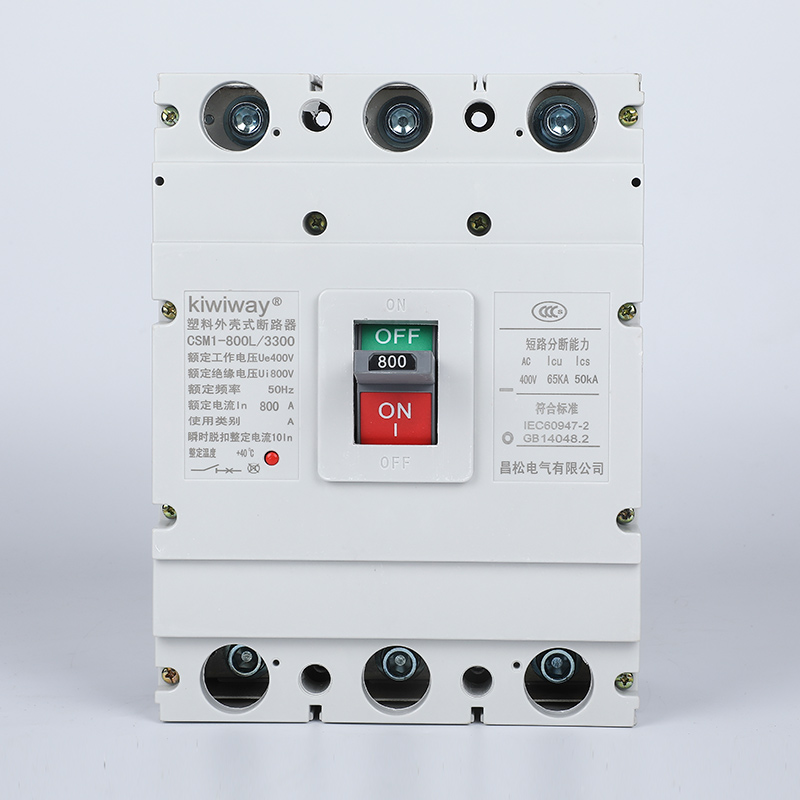
Modern electrical systems face increasingly unpredictable consumption patterns, from the surge of electric vehicle charging to the intermittent spikes of industrial machinery. Smart circuit breakers tackle this by continuously monitoring real-time load data through embedded sensors. Instead of relying on fixed trip thresholds, they analyze current flows on the fly, distinguishing between harmless transient peaks and truly dangerous overloads. This adaptive behavior means a sudden inrush when a conveyor belt starts, for instance, won’t unnecessarily cut power the way a conventional breaker might.
What sets these devices apart is their ability to learn and adjust. Over time, they build a baseline of normal usage for a given circuit—recognizing weekday occupancy patterns in an office or the cycling of refrigeration units in a restaurant. When the load profile shifts, the breaker adapts its response parameters to match, tightening or relaxing protection as needed. A data center, for example, may see a gradual increase in server rack density; the smart breaker gradually recalibrates without needing manual intervention, while still guarding against sudden faults.
Integration with broader building management systems adds another layer of flexibility. Smart breakers can receive external signals—such as demand response requests from the grid or commands from an energy storage controller—and momentarily tolerate higher loads or shed non-critical circuits. During a peak pricing window, they might allow a brief overload to avoid tapping into batteries, then tighten limits as supply stabilizes. This holistic, networked approach turns a simple protective device into an active participant in load management, smoothing fluctuations that would otherwise stress both the electrical infrastructure and the connected equipment.
Selecting the Right Breaker for Critical Applications
When reliability isn't just preferred but mandatory, the breaker you choose becomes the backbone of your entire system. It’s not enough to match amperage ratings—you need to dig into trip curves, interrupting capacity, and how the device will behave under real fault conditions. A breaker that works perfectly in a lighting panel might fail catastrophically when asked to clear a fault downstream of a variable frequency drive. The environment matters too: vibration, temperature swings, and even altitude can shift the performance of thermal-magnetic units in ways the datasheet won’t always spell out.
Beyond the technical specs, you’re looking for a partner in longevity. Think about what happens five or ten years down the road. Will you still be able to get replacement parts? Can your team easily access the diagnostics they need, or is every trip event a guessing game? Solid-state trip units with advanced monitoring have moved from luxury to expectation in many critical environments—they provide waveform capture, harmonic analysis, and the kind of granular data that makes nuisance tripping a solvable problem rather than a recurring headache. And don’t overlook coordination: the best breaker is the one that isolates the fault without darkening the entire facility.
Finally, there’s the human factor. A breaker that requires a twelve-step dance to reset under pressure will eventually cause an outage that could have been avoided. Look for intuitive interfaces, clear status indicators, and the ability to test without costly shutdowns. In critical applications, you’re not just buying a device—you’re buying insurance for uptime. That means evaluating not only what the breaker does on paper but how it actually behaves in the hands of the people who will live with it every day.
Designing Power Systems That Withstand Fault Conditions
A reliable power system isn't just about delivering energy under normal conditions—it's about staying stable when things go wrong. Engineers embed resilience by carefully sizing components to handle sudden overloads, selecting protective devices that react in milliseconds, and arranging network topology so that a single failure doesn't cascade into a wider blackout. This often means over-engineering certain pathways, building in redundancy that might seem wasteful until the moment a short circuit or ground fault tests the design.
Coordination between protective relays, circuit breakers, and fuses is a delicate balancing act. The goal is to isolate the fault as close to its origin as possible, keeping the rest of the system operational. Time-current curves are plotted, settings are tweaked, and real-world scenarios are simulated to ensure that a fault on a branch circuit doesn't trip a main feeder. Sometimes, advanced communication-based schemes like differential protection or directional comparison are brought in, allowing devices to talk to each other and make split-second decisions that mechanical coordination alone can't match.
Beyond immediate fault clearing, power systems need the ability to ride through transient disturbances. Voltage sags, frequency swings, and momentary interruptions are inevitable, but well-designed installations can keep critical loads running through these events. This involves specifying equipment with appropriate ride-through capabilities, integrating energy storage or backup generation that picks up the slack almost instantly, and designing control systems that don't panic when the waveform gets messy. It's a philosophy of anticipating the worst, then methodically eliminating the weak points until the system can take a hit and keep functioning.
The Role of Material Innovation in Arc Interruption
Arc interruption has always hinged on the materials stationed at the heart of the switchgear. Early designs stuck to basic copper and silver alloys, but those days are fading fast. Now, composite materials infused with refractory metals like tungsten or molybdenum are rewriting the rules—they handle the thermal barrage of an arc without eroding as quickly, and their tailored microstructures can actually steer the arc root, making the whole process more predictable.
Even the surrounding medium is getting a material overhaul. Sulfur hexafluoride has long been the go-to gas, but its environmental baggage has pushed engineers toward clean alternatives. New fluoronitrile-based mixtures, combined with precisely engineered solid insulators, can quench arcs just as effectively while slashing greenhouse potential. It’s a quiet shift, but one that keeps performance high and ecological compromise low.
Maintenance Practices That Extend Breaker Lifespan
Circuit breakers often get overlooked until something trips or fails, but a little routine attention goes a long way. Start by keeping the breaker panel clean and dry—dust and moisture are silent enemies that can corrode contacts and degrade insulation over time. A simple visual check every few months can catch discoloration, melted edges, or loose connections before they turn into costly headaches. Don't underestimate the value of exercising the breaker handle; manually switching it off and on once a year helps redistribute internal lubricants and keeps the mechanism from seizing. If the breaker feels stiff or sparks during this test, it's a clear sign that professional attention is needed sooner rather than later.
Thermal imaging inspections are a game-changer, allowing you to spot hot spots that indicate excessive resistance without opening a single panel. These hotspots often point to loose terminations or worn contacts, which can be tightened or replaced before causing nuisance tripping or dangerous arcs. In industrial settings, where breakers handle heavy loads day in and day out, scheduled torque checks on terminals are essential—vibration from nearby machinery can gradually loosen connections, and even a half-turn of a screwdriver can restore optimal conductivity. Pair that with monitoring for voltage imbalances, because a phase-to-phase discrepancy greater than a few percent can strain a breaker's components and accelerate wear.
For breakers protecting sensitive equipment, consider installing surge protective devices upstream to shield them from voltage spikes that erode internal contacts. Also, keep an eye on the environment: if a breaker is exposed to high humidity, corrosive chemicals, or extreme temperatures, its lifespan can be dramatically shortened—relocating or encasing it might be a simple fix. Finally, don't ignore the manufacturer's guidelines on service intervals. Some breakers have specific lubrication requirements or replaceable arc chutes that can be swapped out, restoring the device to near-new condition for a fraction of the cost of replacement. It’s the kind of proactive mindset that turns a reactive repair culture into a reliability-centered one.
FAQ
Look beyond the product catalog. Evaluate their engineering support, customization capabilities, and track record in your specific industry. A supplier with deep application knowledge can help you avoid overspecifying or choosing inadequate protection. Also verify their testing standards, global certifications, and after-sales service responsiveness.
The right partner offers more than components; they provide lifecycle support. This includes proactive obsolescence management, firmware updates for digital breakers, and rapid replacement availability. Suppliers invested in your success will help analyze fault events and recommend system improvements, turning a transactional relationship into a reliability partnership.
High-quality breakers demonstrate consistent trip performance over thousands of operations, precise calibration, and robust arc quenching under fault conditions. They use superior materials and rigorous testing beyond mandatory standards. A reliable supplier invests in R&D for advanced features like selective coordination and energy efficiency, ensuring the breaker performs as promised when needed most.
Project delays can cascade, driving up costs and disrupting operations. Suppliers with flexible manufacturing and local inventory can shorten lead times. But beware of those who sacrifice quality to meet deadlines. The best suppliers maintain transparency about realistic timelines and offer alternative solutions if expedited shipping or interchangeable models exist to keep your project on track.
Forward-thinking suppliers contribute beyond the component level. They integrate smart monitoring, IoT capabilities, and data analytics into their breakers, enabling predictive maintenance and real-time system health insights. This shifts protection from reactive to proactive, reducing downtime. Choose a supplier that actively shapes future protection standards rather than just following them.
Post-installation support can make or break system reliability. Immediate assistance during commissioning, guidance on protection settings, and training for your maintenance team are invaluable. Over time, a responsive supplier helps diagnose nuisance trips, recommend retrofits, and advise on system upgrades, essentially acting as an extension of your engineering team.
Absolutely. The supplier's internal testing regime often exceeds standard certification requirements. This includes endurance testing, environmental stress screening, and fault simulation. Such rigor catches potential weaknesses before deployment, drastically reducing the infant mortality rate of breakers in the field. Ask for test reports and factory audit results to gauge commitment to quality.
Local regulations, grid characteristics, and ambient conditions vary widely. A supplier with global expertise but local presence can navigate these complexities. They can advise on compliance with specific codes (like UL, IEC, CCC), suggest derating for high altitudes or temperatures, and provide support in your time zone. This blend ensures the solution fits both technically and logistically.
Conclusion
Modern electrical networks demand more than just basic switching—they require proactive protection that anticipates and neutralizes hazards. Whether it's guarding against arc flashes in dense urban infrastructure or managing erratic load shifts in industrial plants, the right circuit breaker turns reactive safety into a dynamic, adaptive response. Smart breakers now monitor real-time demand, adjust trip parameters on the fly, and communicate with building management systems to prevent nuisance tripping while maintaining full fault coverage. Matching breaker characteristics—such as interrupting capacity, voltage rating, and trip curve—to the specific critical application is no longer a generic selection exercise; it’s a tailored engineering decision that directly impacts uptime and personnel safety. Power system designers integrate these elements by modeling fault scenarios and ensuring that the protective devices can clear maximum prospective short-circuit currents without cascading failures, effectively hardening the network from the inside out.
Behind the sealed case of a high-performance breaker, material science plays a quiet but decisive role. Composites and advanced alloys in arc chutes and contacts dissipate energy faster and resist welding, enabling reliable interruption even under severe conditions. This progress is lost without diligent upkeep—routine thermal scans, mechanism exercises, and contact resistance checks turn reactive replacements into condition-based interventions, stretching service life well beyond manufacturer estimates. Together, these strands of innovation and practice form a supplier’s core insight: reliable power protection is not a product but a chain of interconnected choices. From material formulation to field maintenance, every link must hold firm. A supplier that understands this ecosystem doesn’t just ship components—it delivers resilience, helping customers navigate evolving codes and operational challenges with confidence that the lights will stay on and faults will be contained swiftly.
Contact Us
Contact Person: Tonglun Chen
Email: [email protected]
Tel/WhatsApp: 8618906642555
Website: https://www.cncsele.com