

Concrete Formwork Company Tips for Delivering Stronger Pours with Less Waste
2026-11-23
Ask any site team what quietly drains a concrete budget, and wasted pour material usually sits near the top of the list. The difference between an average pour and a stronger one is rarely extra labor—it’s the formwork decisions made before the mix even arrives. Here, GETO shares field-level tips to help you cut waste and get more predictable, higher-quality pours.
Read the Pour Sequence Before the First Panel Goes Up
Checking the pour sequence ahead of the first lift saves a crew from discovering conflicts when the concrete is already moving. Wall panels, column bases, and floor slabs rarely follow the same path, so a quick walk-through of the planned order shows where a panel might block access to a form or force a pump to reposition mid-pour. Once that first panel is set, options narrow quickly; mistakes become expensive adjustments instead of simple paper changes.
A clear sequence also sets expectations for timing between adjacent pours. If a wall needs to reach a certain strength before the slab above can be placed, that wait should be visible before any panel goes up. Marking those hold points on the drawing and matching them with the lift schedule keeps the field crew from guessing when the next step can begin.
The habit is simple but consistently overlooked. Before the crane swings the first panel into place, have the pour order printed, dated, and marked with panel references. It turns an otherwise hurried setup into a controlled start and gives the whole crew the same picture of what is coming next.
Pick Form Faces for the Finish and the Next Reuse
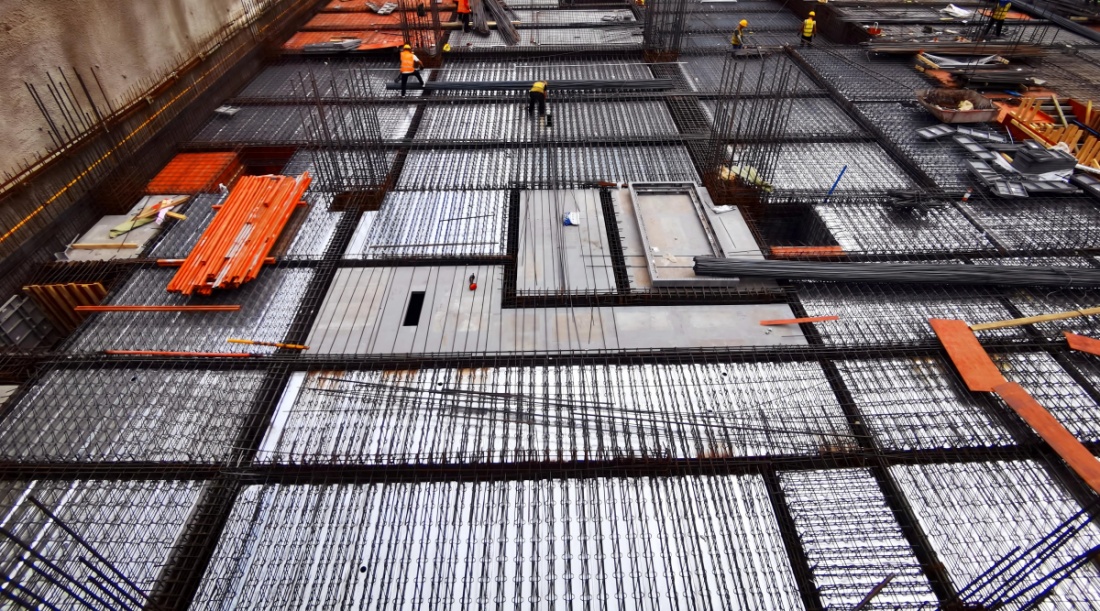
The surface you choose for formwork has a way of leaving its signature on every pour. Even small scratches, worn spots, or leftover release agent show up once the concrete cures, so it pays to think about the face material before the job starts. A cheap panel that looks fine in the yard can still transfer grain, stains, or patchy gloss to the concrete after a few uses.
It helps to match the face to the finish you actually need. Film-faced plywood works well for a clean, even look, while steel or plastic-coated panels tend to hold up better when you are chasing a sharper architectural result. Watch how the panel behaves over repeated pours, too. Some surfaces start out smooth but become polished and unpredictable, while others stay steady if the release agent and cleaning routine stay consistent.
Reuse is where the real savings or hidden costs show up. Edges and corners take the most abuse during stripping and moving, so pay attention to how well they are sealed and protected. If a panel can survive a rough cycle but ruins the next pour with stains or uneven absorption, it is not giving you much reuse value. A face that keeps the finish predictable across several uses is often worth the higher initial price.
Chase Joints and Corners Before Concrete Does
Concrete doesn’t ask permission before it cracks. It follows the path of least resistance, and that path usually cuts through the sharpest corner or the longest unbroken stretch of slab. Chasing joints and corners before the concrete does means walking the forms with a critical eye, marking every inside corner where shrinkage stress will concentrate, and deciding where a saw cut or hand-tooled groove belongs before the pour even begins. This is less about predicting the future and more about giving the slab an acceptable place to fail.
Corners are notorious because they create two competing planes of movement. A reentrant corner pulls from both directions as the slab dries and cools, and if no joint leads away from that point, a diagonal crack will show up almost on schedule. Long, straight runs have the same habit. They look stable on paper but shift once moisture leaves the mix. Running a control joint from the corner to the nearest edge, or breaking a large rectangle into smaller panels, stops the stress from hunting for its own exit.
Timing matters just as much as layout. Green sawing within the first twelve to twenty-four hours, while the surface can be cut without raveling, usually beats waiting until the slab has hardened into a brittle plate. If the joint is tooled during finishing, it needs enough depth and a straight line to actually steer a crack; a faint cosmetic line will not do the job. The point is to stay ahead of the concrete so the crack you planned for becomes the crack you never see.
Apply Release Agent Like a Thin Skin, Not a Bath
A thin skin of release agent is all you need between the pattern and the casting. If the surface looks wet or shiny after you have applied it, there is almost certainly too much sitting on top. That extra material does not make demolding easier; it just migrates into corners, traps air, and leaves soft smears or fisheyes in the finished piece. The goal is a continuous, barely-there film that changes the feel of the surface without being visible as a liquid layer.
Apply lightly with a lint-free cloth, a fine mist, or a soft brush for detailed areas, then wipe back over the surface once with a clean dry cloth. This removes any puddles while leaving the thin coating in the pores and low spots where it actually matters. For vertical faces, work from the bottom up so the film stays even, and give the solvent a minute to flash off before you pour or lay up.
A good release layer should feel closer to a dry waxed countertop than a greased pan. If you can write your finger through it, there is too much product on the mold. Keep a few cotton swabs nearby for edges and undercuts, and lift out any visible accumulation before it has a chance to become a defect in the final surface.
Brace for the Full Head of Concrete, Not Just the First Lift
Plenty of formwork failures happen after the first lift goes in without a problem. The crew braces for that initial pour, sees no movement, and assumes the setup is fine. But concrete does not harden on a schedule that respects lift heights. While the first layer is still green, the next lift adds to the same lateral pressure instead of stacking onto a solid block. If the bracing was calculated for a shallow pour only, the second or third lift can push the forms past their safe limit long before anyone notices a crack.
The full head of concrete is not simply the height of the lift you are placing at one time. It is the height of concrete still acting like a fluid against the form. Mix temperature, retarders, pour rate, and cement chemistry all stretch or shrink that window. On a cold morning with a slow pump, the pressure can stay close to the full liquid head for hours. On a hot day with fast placement, it may drop quickly. The mistake is assuming the first lift has already hardened enough to reduce load for the next pass. If you have not measured it, you are guessing.
That means the forms, ties, and reshoring should be designed for the maximum realistic pressure from the full height of fresh concrete, not for a comfortable first lift. Walk the bracing before each placement and check the wedges, pins, and diagonal supports against that full-load assumption. If the plan calls for multiple lifts, verify that the lower form panels and their connections can carry pressure from the upper lifts as well. A system that survives the first lift has only proven it can handle the first lift. It has not shown it can take the whole head.
Give Offcuts a Second Job Before the Disposal Bin
Most workshops end up with a pile of oddly sized leftovers that seem destined for the bin, but plenty of them can earn their keep before that happens. Narrow timber strips work well as soft jaws or spacers when clamping finished surfaces, and small plywood squares are handy for levelling a machine base or testing a stain before it touches the main piece.
Metal and plastic offcuts are just as useful. A clean piece of aluminium sheet can become a scraper or a mixing board for epoxy, while acrylic scraps are ideal for making drill templates or masking off areas during a quick spray job. Keeping a clear container near the bench makes these bits easier to grab than cutting into a fresh sheet every time.
The trick is to sort as you go instead of waiting until the scrap bin overflows. After cutting, take a few seconds to keep pieces that are still flat, square, or large enough for common tasks, and throw out only what is truly unusable. That small habit cuts waste and means the right repair patch or shim is usually within reach.
FAQ
A joint-by-joint walk with a flashlight before the trucks arrive. Small gaps at panel seams and tie holes are easy to miss until they open under pressure. Sealing those spots and checking bracing against the pour pressure chart stops leaks and blowouts that waste concrete and weaken the finished wall.
Sharp outside corners often chip or spill during placement, so crews end up overpouring to compensate. Using chamfer strips or radius inserts at corners keeps edges intact and gives a cleaner line. That means fewer touch-ups and less concrete lost to chipping or grinding after the forms come off.
For repetitive work, a high-density overlay panel or a steel-framed modular form usually pays for itself through reuse. The face stays smooth longer, so you spend less time cleaning and patching between pours. It also releases cleanly when the right release agent is used, which keeps the concrete surface dense instead of torn.
Apply a thin, even coat with a sprayer set to a fine mist, then wipe the face lightly with a lint-free cloth. Too much release agent pools in the bottom of the form and creates soft spots or stains. Too little makes stripping harder and tears the surface. The goal is a barely visible film that lets the form come away without pulling off paste.
Mark the pour line on the inside face of the form in several places and use those marks instead of eyeballing the top edge. When the concrete reaches the line, stop and consolidate before adding more. Overfilling tends to happen in low spots, so checking elevation with a level or laser while placing avoids building up excess that gets struck off and thrown away.
Loosen wedges and clamps gradually instead of prying with a crowbar right away. Clean the face while the residue is still fresh, because dried concrete forces you to use more aggressive scraping and damages the panel. Stack panels flat and protect edges, and the same forms will keep their shape for more cycles instead of warping early.
Concrete that is vibrated too long separates, with paste flowing away from the aggregate and leaving weak pockets. Under-vibration leaves honeycombing that requires repair. The sweet spot is short insertions at regular spacing until large air bubbles stop rising. That gives a solid section without needing a wetter, weaker mix to make placement easier.
If the frame is square and the plywood face has only shallow surface wear, cleaning and filling small dents with an epoxy filler can restore it for several more pours. Replacement is the better choice when edges are swollen, corners are broken, or the face has deep gouges that will transfer to the concrete. Keeping a few repair kits on site often delays that replacement cost.
Conclusion
On a well-run pour, waste doesn't start with leftover concrete. It starts with a crew guessing at the sequence, pulling panels too early, or overloading corners without a plan. Reading the pour sequence before the first panel goes up lets the team see where pressure will build and where the form system will have to work hardest. Choosing form faces for the finish and the next reuse means looking beyond the current job: a face that cleans easily and holds its surface pays for itself later. Chasing joints and corners before concrete does is just as important, because a small gap left unsealed becomes a grout leak, a cleanup job, and a visible blemish. None of these steps add labor when they are built into setup, but they quietly remove the causes of wasted time and material later.
Release agent is often treated like a heavy coat, but a thin, even skin gives better results with less runoff and fewer surface defects. Bracing for the full head of concrete, not just the first lift, prevents movement when the pour really loads the form. Before any offcut goes to the bin, it should get a second job such as a stop end, a filler, a block-out, or a patch piece. These small decisions add up: cleaner lines, fewer repairs, more reuses per panel, and less material leaving the site. That is the kind of pour that looks better and costs less without asking for extra crew or specialty products.
Contact Us
Contact Person: Quanhui Nian
Email: [email protected]
Tel/WhatsApp: 8618070545691
Website: https://www.getoglobal.com/