

Corrugated Boxes Factory: Your Ultimate Guide to Custom Packaging Solutions
2026-05-30
When it comes to protecting your products and elevating your brand, the right packaging makes all the difference. A reliable corrugated boxes factory does more than just supply cartons—it becomes a partner in your success. From custom designs to sustainable materials, the possibilities are endless. But how do you navigate the options and find solutions tailored to your needs? At ShiTeng Packaging, we believe every box should work as hard as you do. Let's dive into what truly sets exceptional packaging apart—and how it can transform your business.
Why Your Packaging Is Costing You More Than You Think
It starts with the design—how many layers does your product actually need? A box within a box, excessive wrapping, inserts that serve no real purpose beyond filling space. Every extra fold, every unused inch of corrugate adds weight and bulk, driving up shipping rates before it even leaves your facility. Those small decisions accumulate silently, turning into a hidden tax that eats into margins long after the invoice is paid.
Then there’s the handling. Overly complex packaging slows down your line, demands specialized labor, or forces machine recalibrations that chip away at overtime hours. Returns add another sting: flimsy materials mean more damage in transit, and overly fussy designs frustrate customers who just want to unwrap something without a struggle. It’s rarely one glaring mistake—it’s a quiet collection of choices that, together, make your packaging far more expensive than it ever needed to be.
The One Feature Most Box Factories Won’t Tell You About
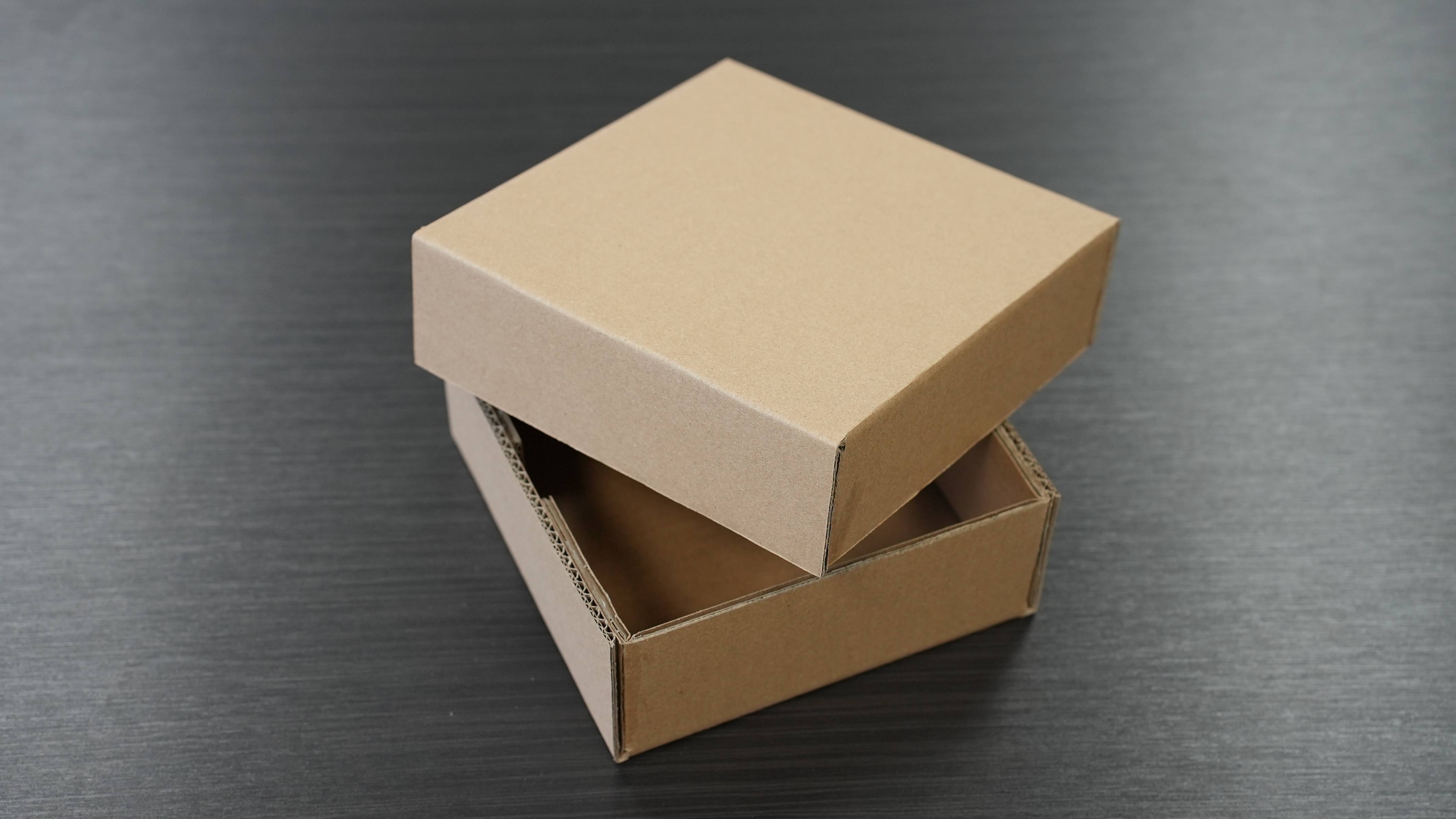
When you order custom boxes, you’re usually focused on dimensions, print quality, and price. But there’s something deeper that rarely gets discussed: the actual structural integrity of the box once it’s assembled. Most suppliers will show you flat samples or digital proofs, but they won’t volunteer how the box performs when it’s filled, stacked, or shipped across the country.
The truth is, even a slight variation in board grade or glue application can lead to collapsed corners or torn flaps. Factories often cut corners here because it’s invisible at first glance. A truly reliable box isn’t just about looking good on a shelf—it’s about surviving the journey. That’s the feature you need to ask about, because no one will bring it up otherwise.
How We Turn Cardboard Into Crush-Proof Armor for Your Products
It starts with selecting the right kind of cardboard—not just any box material off the shelf. We use a high-strength, multi-layer corrugated board that’s engineered to distribute force evenly. Each layer is carefully aligned so that the natural rigidity of the fibers works together, creating a shield that absorbs impact instead of buckling. Before a single cut is made, we test the raw materials for consistency in thickness and burst strength. This front-end precision is what sets the foundation for armor that doesn’t just sit around your product—it actively resists crushing from all sides.
The transformation happens through our proprietary scoring and folding process. Instead of simple creases that weaken the structure, we use a method that actually reinforces the stress points. Think of it like adding ribs to a vault door: each fold becomes a structural pillar. When the box takes a hit, the energy travels through these pre-strengthened paths and dissipates before it can reach your product. The final assembly locks into place without the need for excessive tape or glues that can fail under pressure. What you get is a self-supporting fortress made entirely from renewable fiber—tough enough to survive drops, stacks, and anything the shipping journey throws at it.
Custom Doesn’t Mean Complicated: Designing Your Perfect Box Without the Stress
Designing a custom box often brings to mind endless decisions and overwhelming options. But it doesn’t have to be that way. The right approach strips away the confusion, letting you focus on what matters: getting a box that fits your product and reflects your brand, without the headache.
We’ve streamlined each step, from material selection to finishing touches, so you never feel lost. Instead of technical jargon, you get clear guidance. Instead of rigid templates, you have flexibility. The result is a box that feels uniquely yours, created through a process that actually makes sense.
The key is to keep the collaboration human. No automated systems that leave you stranded. Just real support that helps you visualize your design, make informed choices, and see samples before committing. Custom packaging can be simple—and even enjoyable—when you’re not forced to navigate it alone.
From Concept to Your Doorstep: What Really Happens Behind the Scenes
It starts with a sketch, maybe on a napkin or a late-night burst of inspiration. That rough idea gets passed around, challenged, and refined until it's something tangible. Engineers and designers argue over materials and ergonomics, while supply chain folks figure out if it can actually be built without costing a fortune. The first prototype usually breaks in hours, but that's part of the rhythm.
Once the design firms up, the real headache begins: sourcing components from a dozen different suppliers, each with their own lead times and quirks. A missing screw can hold up an entire line. Assembly lines get retooled, workers retrained, and quality control runs every test possible—drop tests, heat cycles, that one guy who just hammers the thing to see what fails.
Then it's into a box, not just any box, but one engineered to survive a conveyor belt apocalypse. Last-mile carriers weave through traffic, weather, and the occasional confusing address. When the package finally lands on your step, it's the quiet end of a noisy, messy process that started with someone saying, "What if?"
Is Your Current Box Supplier Secretly Hurting Your Brand?
You might not see it at first, but your box supplier could be quietly chipping away at your brand's reputation with every shipment. Those slightly off-color prints, the cardboard that feels a little thinner than last month, or the boxes that arrive with creases—these small failures add up. Customers notice, even if they don't say anything, and their trust starts to fray before you realize anything is wrong.
Think about the last time you opened a package that felt premium—the weight of the material, the crispness of the logo, the way it all held together. Now compare that to a box that arrives dented or with labels peeling off. That unboxing moment is part of your product, and a supplier cutting corners can make your brand seem careless or cheap, no matter how good what's inside actually is.
Over time, these subtle quality slips erode the emotional connection customers have with your brand. They might not blame the supplier; they blame you. And when they start associating your name with flimsy packaging or inconsistent presentation, they'll quietly move on to competitors who make them feel valued from the first glance at the box.”
FAQ
Most boxes use single-wall, double-wall, or triple-wall corrugated fiberboard. Single-wall works for lightweight items, double-wall adds strength for heavier products, and triple-wall handles industrial loads. We also offer specialty fluting and coated options for moisture resistance. It really depends on your product's weight, shipping conditions, and whether you need extra protection.
Absolutely. We support flexographic and lithographic printing with up to full-color graphics. You can add your logo, brand colors, handling instructions, or even QR codes. Our design team helps prep your artwork, and we'll run a sample for approval before full production.
Our standard minimum is 500 units per design, but we're flexible for startups or seasonal projects. For smaller runs, there might be a slight price adjustment, but we'll always find a way to make it work without forcing you to overstock.
Typical turnaround is 2–4 weeks after artwork approval, depending on complexity and volume. Rush orders can be done in as little as 7 business days if needed, though it's best to plan ahead to avoid extra fees.
Yes, sustainability is a big focus for us. All our corrugated boards are made from high recycled content and are fully recyclable. We also use water-based inks and starch-based adhesives. If you want FSC-certified or biodegradable coatings, just ask and we'll tailor it.
Definitely. Our in-house engineers use CAD to create custom dies and inserts. We've handled everything from electronics to fragile glassware. You can send us your product specs or a 3D sketch, and we'll prototype a solution that maximizes protection while minimizing material use.
We follow ISTA testing protocols for drop, vibration, and compression strength. Each batch goes through burst tests (Mullen) and edge crush tests (ECT). Plus, our QC team manually inspects print alignment, glue bonds, and dimensions before anything leaves the factory.
Often yes. We analyze your supply chain—maybe adjusting flute type, board grade, or pallet stacking patterns can cut waste. Mixed orders (combining multiple sizes) or shifting to quarterly blanket orders can also bring unit costs down. We'll walk you through the trade-offs.
Conclusion
Packaging often hides costs that creep up on businesses in ways that aren't obvious at first glance. From inefficient designs that waste material to hidden fees for tooling and setup, what looks like a bargain can quickly become a drain on your bottom line. Many box factories gloss over how structural engineering can slash shipping damage and reduce dimensional weight charges—two factors that directly impact your profit. There's also a feature manufacturers rarely discuss: moisture-resistant coatings and edge-crush optimization that turn standard cardboard into genuinely protective shells without inflating the price. When you understand these elements, you realize that a well-designed box doesn't just hold a product; it actively safeguards your reputation by arriving intact and reflecting the care you put into what's inside.
Getting a custom package shouldn't be a labyrinth of confusing specs and tedious back-and-forth. The process, when handled by a factory that prioritizes clarity, is straightforward: you share your product dimensions and fragility concerns, and they translate those needs into a structure that balances protection with minimal waste. Behind the scenes, digital sampling and rapid prototyping have replaced weeks of waiting, so you see a tangible mockup before production even begins. And while you might not think about it, a supplier's choices—like using recycled liners that scuff easily or inconsistent adhesives—can silently erode your brand's image. The right factory treats every corrugated box as a brand ambassador, ensuring that from concept to doorstep, your packaging doesn't just contain your product but elevates the entire customer experience.
Contact Us
Contact Person: Mr. Ge Man
Email: [email protected]
Tel/WhatsApp: 8613710506492
Website: https://www.shitengzx.com