

Eco-Friendly Paper Box Solutions That Make Sustainable Packaging Effortless
2026-11-16
Switching to sustainable packaging often feels like a trade-off—higher costs, flimsy materials, or design limitations. But what if eco-friendly paper boxes could actually make your packaging process easier, not harder? That's the idea behind Zemeijia's latest solutions, where recycled paperboard meets smart structural design to eliminate waste without sacrificing protection or shelf appeal. Whether you're shipping cosmetics, electronics, or gourmet treats, the right box can reduce material use and assembly time while still turning heads at the unboxing moment. In this post, we'll unpack the practical details that make sustainable packaging effortless—from material choices to folding techniques—so you can ship with confidence and a clearer conscience.
Boxes That Ship Flat and Pop Into Shape
There’s no fumbling with tape or wrestling a half-crushed carton back into shape. These boxes arrive as slim, neatly stacked sheets. A quick push on the side panels and the scored creases do the work—turning a flat blank into a sturdy container in about two seconds.
The secret sits in the die-cut folds. Each corner is pre-creased at just the right angle, so the walls snap upright and lock without glue. If you ever need to store them again, they flatten right back down, ready for the next shipment.
For anyone packing orders in a tight space, this is a quiet lifesaver. A stack of fifty flat boxes takes less room than a single assembled carton, and you skip the assembly line entirely. Just pop, pack, seal, and send.
Renewable Coatings That Replace Plastic Film
The push to eliminate single-use plastic films has led researchers to explore coatings derived from agricultural waste and marine byproducts. Chitosan pulled from shrimp shells, for instance, can be dissolved into a thin, transparent layer that keeps oxygen away from fresh produce. Unlike polyethylene wrap, these coatings break down in soil within weeks rather than centuries, and they don't shed microplastics into compost or waterways.
Cellulose nanofibers from wood pulp or beet residue offer another route. When sprayed onto paper or cardboard, they create a water-resistant barrier without the waxy feel of conventional laminates. The trick is balancing flexibility and moisture protection; too little coating lets liquids soak through, while too much makes the material brittle. Recent blends of cellulose with plant-based waxes have managed to hold a sandwich wrap together even after repeated folding.
What makes these renewable options stand out is that they can be applied with existing roll-to-roll equipment. A tomato packer doesn't need to rebuild the production line, just swap the coating bath. Early adopters in Europe are already shipping berries in trays lined with pea-protein films that vanish in home compost bins. The real test now is cost and shelf life, not whether the chemistry works.
Prints That Skip the Lamination Layer
Not every job needs that glossy, plastic-coated finish. Skipping the lamination layer keeps the surface honest—paper feels like paper, ink sits directly on the fibers, and the result has a tactile quality that a film simply can't replicate. It's a choice that favors authenticity over shine, which is why many designers and artists lean this way for portfolios, stationery, and editorial pieces.
There's also a practical side. Without lamination, the print can be written on, stamped, or even torn cleanly if the layout requires it. The edges stay soft, the weight feels lighter, and the whole piece takes on a more understated character. If the design already has enough visual texture, adding a plastic layer often flattens the very detail you worked to bring out.
Environmentally, it's a quieter footprint too. Fewer materials, less energy, and a final product that can go straight into the recycling bin without special handling. For clients who want their printed matter to feel human and immediate rather than factory-sealed, skipping lamination is less about cutting a step and more about respecting the medium.
Snug-Fit Inserts Made From Recycled Paper
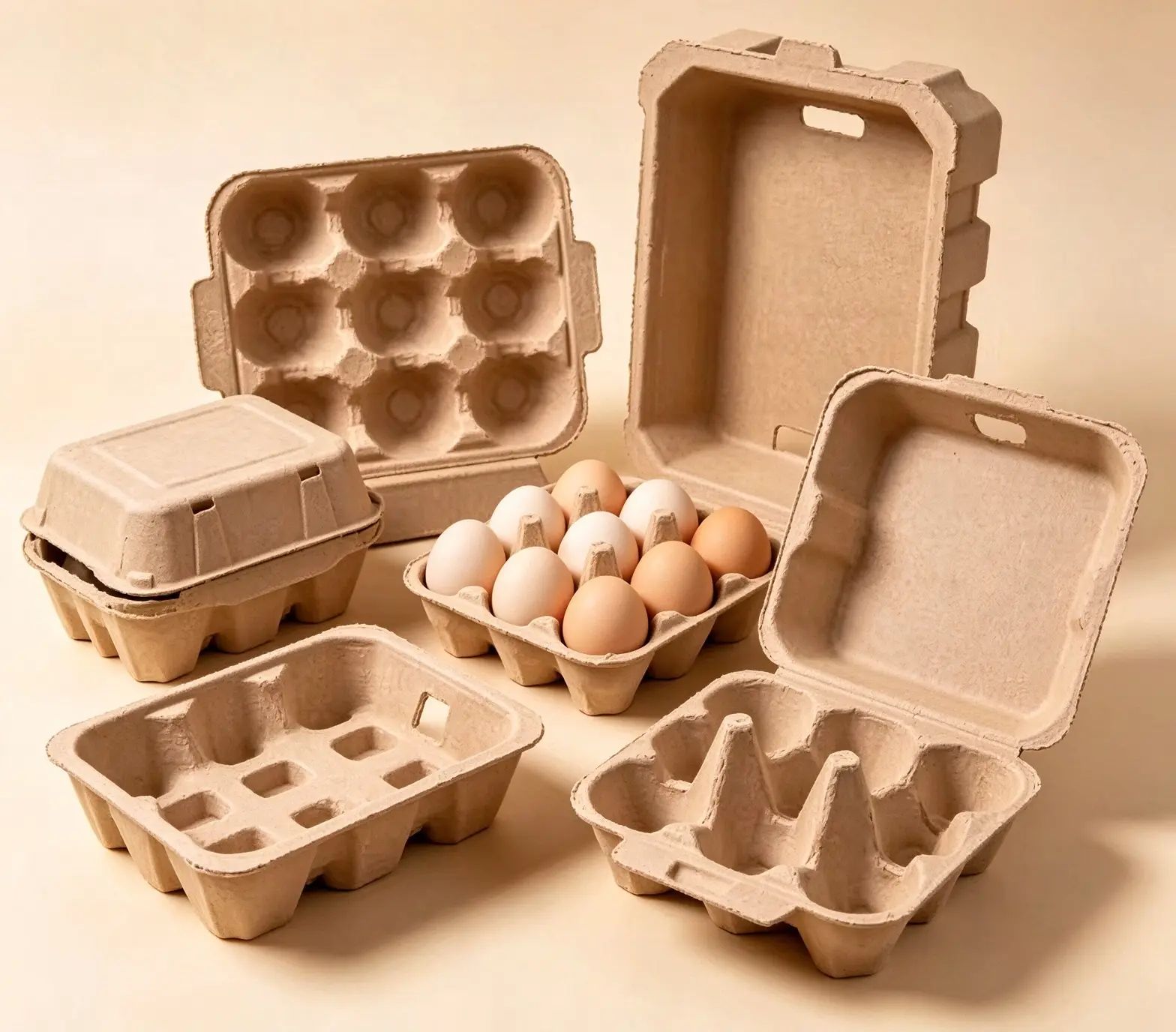
The inserts slide into place with a tautness that holds everything steady, yet they never fight you during assembly. Each piece is die-cut from compressed recycled paper fibers, giving the edges a crisp finish that looks far cleaner than typical corrugated scraps.
What sets these apart is how the material behaves under load. Instead of buckling at the corners, the recycled stock flexes just enough to absorb bumps during transit, then settles back into its original profile. That snugness keeps fragile goods from shifting, without the need for extra tape or plastic fillers.
Since the paper is sourced from post-consumer waste, the color and texture vary slightly from batch to batch. Small flecks and subtle grain patterns come through, making each insert feel less like generic packaging and more like a deliberate part of the unboxing experience.
The Case for Lighter, Not Thicker, Board
Chasing stiffness by adding more material seems logical until you actually ride the result. A thicker board transmits every vibration straight into your knees and wrists, while a lighter build lets you stay loose and react faster. Modern glassing schedules and wood selection now deliver the same torsional strength in a package that won’t leave you fatigued halfway through a session.
Weight doesn’t just affect carrying the board to the water—it changes how the board responds underfoot. A lighter core paired with strategic reinforcement gives you quicker edge-to-edge transitions and a livelier feel that a thicker slab can’t match. The extra mass of a heavy board works against you the moment you try to change direction, no matter how much power you put into the turn.
There’s also a practical side: less resin and fewer layers mean less waste before the board ever touches the wave. A thinner, well-engineered board can absorb chop without the deadening effect that comes from simply piling on fiberglass. When shapers focus on smart distribution instead of raw thickness, the result is a board that feels alive, lasts longer, and doesn’t punish you for riding it all day.
Packaging Your Customers Will Reuse on Purpose
Reusable packaging only works when people actually want to keep it. A flimsy box gets tossed without a second thought, but a sturdy container with a tight-fitting lid, a pleasant texture, or a shape that stacks neatly in a cupboard has a real chance of sticking around. The key is to design with the user's daily routines in mind—not just the moment of unboxing.
Think beyond the brand logo. A jar that becomes a spice container, a tin that holds loose screws, a cloth bag that folds into a pocket for grocery runs—these are the items that earn a second life. When the packaging solves a small problem or fits an existing habit, reuse stops being an extra step and becomes the obvious choice.
The real test is whether the packaging feels better to keep than to discard. Weight, material, and finish all send signals. A lightweight plastic shell rarely survives the first week, while a glass bottle with a cork stopper or a metal box with a hinged lid invites repeated handling. If you want customers to reuse on purpose, give them something they'd reach for even if your product weren't inside.
FAQ
The real difference comes down to sourcing, coatings, and end-of-life design. Look for FSC-certified fiber, water-based adhesives, and no plastic lamination. A box that uses recycled content but adds a glossy poly coating is not truly sustainable. The best options are mono-material, so they can go straight into curbside recycling or break down in a home compost pile without special handling.
Start by simplifying your box structure and print coverage. A well-designed mailer with a single-color logo on uncoated stock often costs less than a heavily printed custom box. Many suppliers now offer stock sizes in eco-friendly boards, so you skip die-cutting fees. Order smaller batches to test, then scale once you see how customers respond and how boxes perform in transit.
Yes, but it depends on the insert design more than the outer box. Molded pulp trays, corrugated dividers, and honeycomb paper wraps absorb shock just as well as foam or bubble wrap. The key is to match the flute profile and insert thickness to your product's weight and drop-test requirements. Many brands switch and find damage rates stay flat once the interior packaging is engineered properly.
Ask for specific certifications and test data, not just words like green or natural. Request the mill source for the paperboard, confirm whether coatings are water-based or plastic-based, and check if the box is widely recyclable in municipal programs. A trustworthy supplier will share this openly. If they dodge questions or only mention tree planting, that is a red flag.
They make a huge difference. Water-based inks and coatings wash off during the repulping process, so the fiber can be recovered cleanly. In contrast, UV coatings and metallic foils often contaminate the recycling stream or require the box to be sorted as trash. For compostability, stick with soy or vegetable-based inks and avoid any plastic film windows.
Texture carries a lot of weight. An embossed logo, a soft-touch uncoated finish, or a clever die-cut window can elevate the unboxing without adding plastic. Use negative space intentionally and let the natural kraft or white board show through. A small interior print or a branded paper tape closure adds a considered detail that feels high-end but stays fully recyclable.
Because the heavy lifting happens at the design and sourcing stage. Once you have selected a supplier with certified boards and a proven insert system, your team just reorders the same SKU. There is no need to track multiple material streams or train warehouse staff on special disposal. The boxes arrive flat, assemble in seconds, and customers can recycle them at home with no extra steps.
Conclusion
Switching to eco-friendly paper boxes doesn't mean compromising on convenience or protection—it means rethinking how boxes are designed from the start. Boxes that ship flat and pop into shape remove the need for bulky pre-assembled packaging, cutting storage space and transport emissions while keeping the unboxing moment crisp. Renewable coatings replace plastic film without sacrificing water or grease resistance, so food and cosmetics stay fresh without leaving microplastics behind. Printing directly on the board and skipping the lamination layer makes recycling far easier, since the fiber stays clean and mills don't have to peel off plastic. These choices feel small, but they turn a one-time shipping container into a genuinely circular material flow.
The real shift happens when inserts and board weight are optimized. Snug-fit inserts made from recycled paper hold products securely using clever folding rather than foam or molded plastic, and they collapse flat for easy disposal in any curbside bin. Choosing lighter, not thicker, board often provides the same crush resistance with less raw material, which lowers both cost and carbon footprint per shipment. Then there's a benefit many brands overlook: packaging customers will reuse on purpose. A paper box with a magnetic closure, a tear-off panel that turns into a drawer, or a simple sturdy design with a second life as storage becomes part of the product experience. That reuse builds loyalty and keeps the box out of the waste stream for months longer, making sustainable packaging feel effortless for everyone involved.
Contact Us
Contact Person: Sasha Du
Email: [email protected]
Tel/WhatsApp: +86 13869836645
Website: https://www.zmjpackagings.com/