

Gearless CI Flexo Press Advantages Every Printing Company Should Know
2026-11-18
Most flexo press upgrades promise gains on paper but quietly stall on the floor. Gearless CI flexo technology changes that equation in ways your operators will feel from the first job. At HuiPeng, we have watched printers stop fighting repeat length limits, gear marks, and long changeovers—and start taking on work they used to turn away. Before you compare specs, let’s look at the real advantages that decide whether your next press pays for itself.
What Actually Changes When the Gears Disappear
The moment the gears vanish, the familiar sense of direct mechanical control disappears too. A conventional drivetrain translates every pedal stroke into a predictable chain of torque, creating a link between effort and motion that many riders come to trust. Without those physical gears, the bike stops behaving like a set of fixed ratios and starts responding more like a continuous, almost elastic system. You push harder, yet the feedback doesn't step up in familiar increments; instead, the resistance shifts gradually, forcing your body to relearn how to pace itself over uneven ground.
Riding technique also changes in subtle but significant ways. On a geared bike, you might anticipate a climb by shifting down early, storing that mechanical decision in your fingers. When the gears are gone, that habit has no place to land. You begin to read the terrain more continuously, adjusting effort through cadence and body position rather than through lever clicks. Over time, this creates a quieter, more fluid riding rhythm, though it can feel disorienting at first because the usual landmarks of acceleration and deceleration have been smoothed away.
Maintenance and weight distribution shift as well. Fewer moving parts mean fewer things to adjust, break, or rattle, but it also means you lose the ability to fine-tune the bike for different speeds or loads. The machine becomes simpler in function yet more demanding in skill, because every change in gradient or wind now has to be absorbed by your legs and lungs rather than by a well-chosen sprocket combination.
Setup Time That Fits Into a Lunch Break
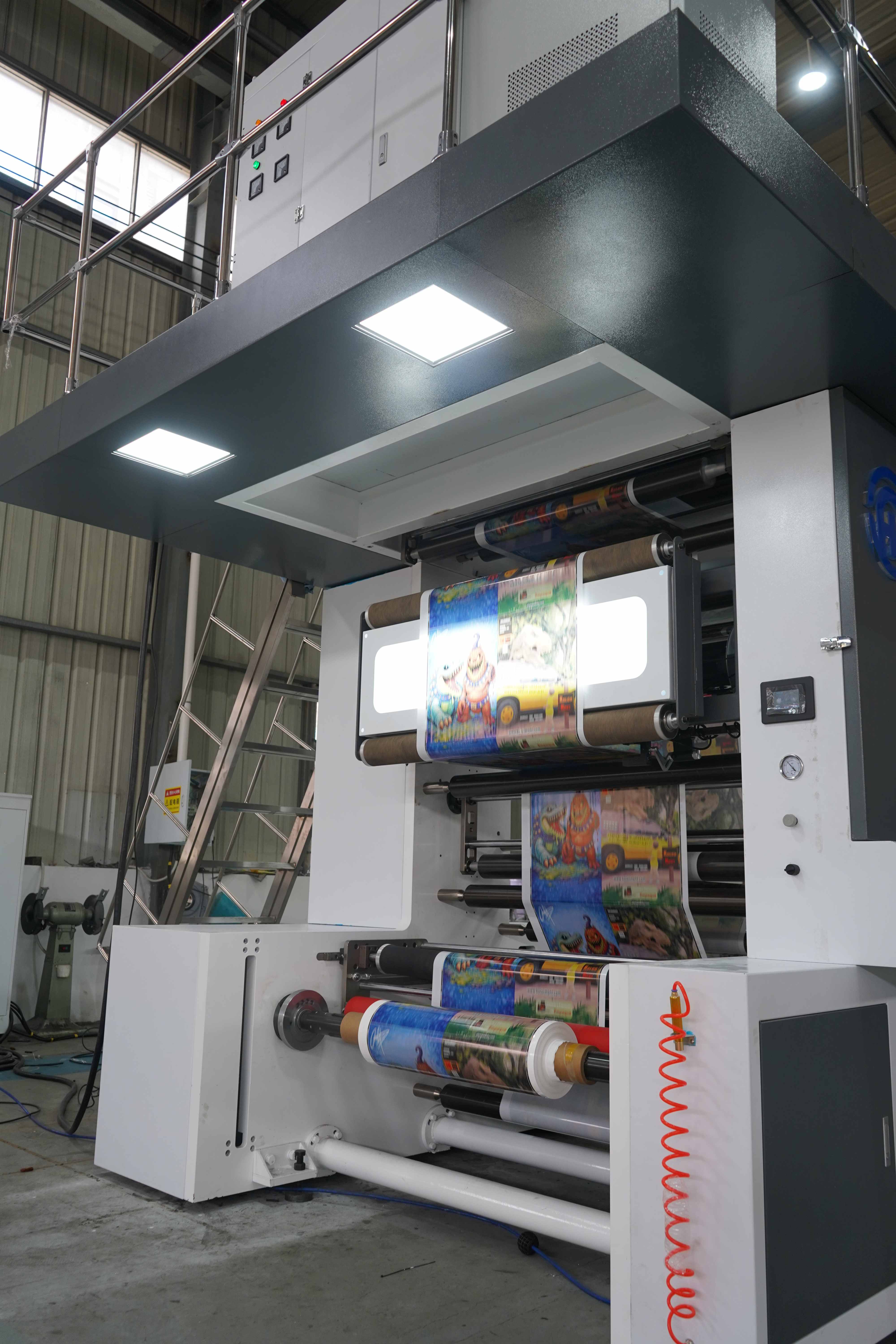
Most tools in this category expect you to block off an afternoon just to get past the welcome screen. This one takes a different route: download the installer, accept two permissions, and you're looking at a working dashboard before the microwave finishes reheating your pasta. No account confirmation loop, no multi-step wizard that asks the same question three ways.
The default settings are sensible enough that you can start using the core features immediately, then adjust the smaller preferences later when you have a free evening. That matters because momentum fades fast. If a setup drags past twenty minutes, it usually becomes tomorrow's problem. Here, the first real task is finished while the break is still going.
What gets trimmed isn't control; it's the repetitive busywork. You can still dig into advanced options if you want, but none of that stands between you and a working setup. The goal is simple: open it on a Tuesday at noon, and by 12:25 you've already done something useful.
The Waste Number That Catches the Owner’s Eye
Owners sit through plenty of reports where every metric looks equally important. Most figures blur into a single column, but the waste number rarely does. It stands out because it represents material, labor, and cash that left the shop with no return. When that number ticks upward, the owner tends to notice before anyone explains it.
It is often not the biggest line on the page. Payroll, rent, and utilities overshadow it. Yet waste carries a different weight. A modest jump in scrap or spoilage reads like money being dropped into a bin. Owners react to that feeling first and ask questions later, which gives the number a power its size does not fully justify.
Experienced managers use that reaction deliberately. They place the waste figure high on the dashboard, not because it summarizes the business, but because it pulls attention. Once the owner starts asking about waste, the discussion shifts naturally toward scheduling, training, and process discipline—the quieter factors that usually explain why the number moved.
Short Runs Without the Usual Register Drift
Short runs often invite a familiar headache: by the time the press settles into a steady rhythm, the job is nearly done, and that early instability shows up as register drift. This machine sidesteps that pattern. Rather than asking operators to nurse the settings through the first few hundred sheets, it locks alignment in from the very first pull, so even a compact job leaves the floor looking crisp.
Part of the reason is the way tension and timing are handled at the start of the run. Instead of waiting for thermal or mechanical settling, the system actively corrects small shifts before they become visible. The result is less trial-and-error, fewer wasted sheets, and no quiet compromise on edges or fine type just because the order wasn’t long enough to “warm up” into accuracy.
For small batches with tight turnaround times, that changes the calculation. A short run no longer means accepting a slightly softer print or spending extra time on make-ready. The usual drift that gets blamed on brief production windows simply doesn’t show up, which makes low-volume work feel less like a compromise and more like the main event.
Why Servo Drives Make Maintenance Less of a Chore
Maintenance teams often dread the blinking fault light that sends them flipping through manuals or, worse, guessing at which component failed. Servo drives change that routine by continuously logging operational data like current draw, temperature peaks, and torque spikes. Instead of reacting to a surprise breakdown, technicians can pull up a drive's recent history, spot a motor drawing more current than it did three weeks ago, and replace a worn bearing before it seizes a production line.
The real time-saver comes from how servo drives isolate problems without trial-and-error part swapping. A drive can flag a short in the motor cable, an encoder communication drop, or a regenerative resistor overheating, often while the machine keeps running at reduced capacity. That means the morning shift doesn't start with an hour of disassembly just to find out the issue was a loose connector—the drive already narrowed it down.
Over time, this shifts maintenance from a frantic, wrench-heavy scramble into a predictable checklist. Spare parts get ordered based on actual wear trends rather than gut feeling, and scheduled downtime lines up with what the drive's logs indicate, not with an arbitrary calendar date.
Why Operators Stop Dreading Job Changeovers
Job changeovers used to carry a quiet dread on the floor—operators checking the clock, mentally bracing for the shuffle of tools, recipe cards, and half-remembered settings. The friction wasn't just physical; it was cognitive. Every switch demanded a reset of muscle memory, a hunt for the right fixture, a second-guess of the last successful run. What shifted the mood wasn't a single dramatic fix but a series of small, almost obvious adjustments: shadow boards with silhouettes for every wrench, photo-based setup guides bolted to the machine frame, and a ten-minute pre-change huddle where the incoming and outgoing crews actually talked through the quirks instead of leaving sticky notes.
Once those supports were in place, the emotional weight lifted. Operators stopped seeing changeover as a test of memory and started treating it like a routine with checkpoints. The dread gave way to a quiet confidence—not because the work became easier in some magical way, but because the guesswork vanished. One operator described it as the difference between cooking from a recipe and cooking from a vague memory of a dish you ate once. When the next step is visible, the pressure drops. People begin to trust their own pace, and the clock becomes a reference rather than an enemy.
What surprised managers most was how contagious that relief became. When changeovers felt predictable, operators took more ownership of the little improvements—relabeling a shelf, adjusting a clamp, suggesting a better tool placement. The resistance to changeovers disappeared because the changeover itself stopped demanding heroic effort. It became just another part of the shift, no more dreaded than a coffee break. That shift in mindset is hard to measure on a dashboard, but you hear it in the tone of the handoff conversation: less sighing, more pointing at what's already working.
FAQ
It removes the train of mechanical gears that normally drives each print deck. With servo motors handling plate cylinder movement independently, there are far fewer wear points, less lubrication to manage, and no backlash issues that slowly degrade register accuracy.
Each deck is driven by its own servo motor and controlled digitally, so tiny corrections happen without mechanical play. That gives repeatable, precise color-to-color registration even at high speed, and adjustments can be made on the fly without stopping the press.
Setup becomes mostly a matter of recalling stored parameters. Sleeve changes and impression settings are faster because there is no gear pitch to match or physical gear train to adjust. This makes changeover between repeat lengths quicker and keeps short-run work profitable.
Yes, though the benefit comes from doing away with gear train friction and oil circulation systems. Direct-drive servos use only the energy needed for the job, and without heavy gearboxes, the press often runs quieter and cooler, which lowers overall power consumption.
It gives much more flexibility. Because repeat length is controlled electronically instead of being fixed by gear pitch, the same press can switch between different sleeve sizes and repeat lengths without the mechanical constraints that force compromises on conventional presses.
It reduces mechanical vibration and eliminates gear marking or barring that sometimes shows up as banding. The smoother web path and stable tension control allow finer highlights, cleaner vignettes, and more consistent solid coverage on film substrates.
Many mechanical adjustments are replaced by screen-based controls. Operators set register, impression, and repeat parameters digitally, and the press stores those settings. That reduces reliance on manual touch and makes it easier to bring new operators up to speed.
For many shops, it pays off through faster changeovers, lower maintenance, less waste during setup, and the ability to take on jobs with tight registration demands. The real question is what type of work you run; if short runs and high print quality are common, the return is usually clear.
Conclusion
Removing gears from central impression flexo presses changes more than the mechanical layout. Without gear backlash, each print deck follows its own servo-driven timing, so register stays locked on short runs and during speed changes. That eliminates the slow drift operators used to chase after every job change. Setup becomes surprisingly fast; many shops finish plate and sleeve changes while the rest of the crew is still at lunch, which means more sellable output per shift. For owners, the real attention goes to substrate waste. A gearless CI press typically drops startup waste because the first impression is closer to sellable, and the numbers on the floor start reflecting that within weeks.
Servo drives also simplify maintenance. There are fewer gearboxes, oil points, and wear parts to inspect, so the weekly checklist shrinks and unplanned downtime becomes less frequent. Operators stop dreading changeovers because the machine handles much of the fine positioning work they used to do by hand. Short-run work no longer means accepting register drift or burning extra meters of film and board. Once the press returns to a saved recipe, it repeats the settings without the old mechanical guessing. That changes how a company bids work: jobs that once looked too small or too troublesome become practical, and the press becomes a broader profit tool rather than a long-run-only asset.
Contact Us
Contact Person: Isaias
Email: [email protected]
Tel/WhatsApp: 86-13868693129
Website: https://www.hpflexo.com/