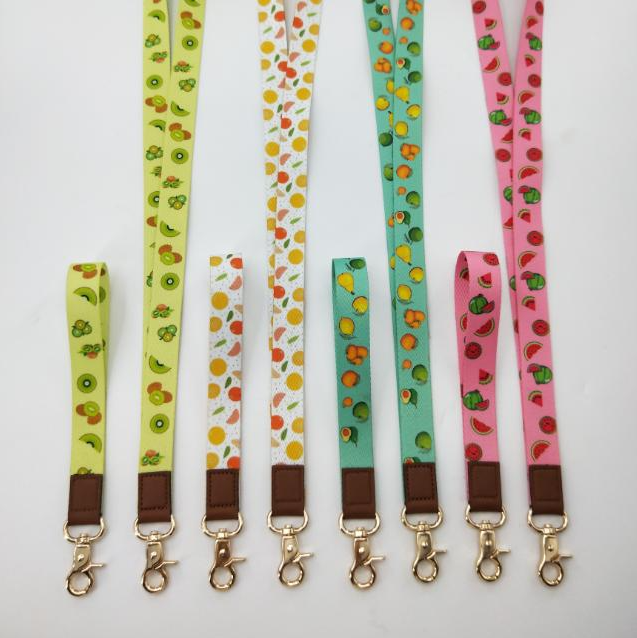

ID Badge Holder Lanyard Manufacturer Insights: How to Source Custom, Durable Accessories
2026-11-16
Ordering ID badge holder lanyards should be simple, yet most buyers discover too late that cheap hardware snaps, colors fade after a few washes, and 'custom' means a logo that peels within a month. That’s exactly why we put together these manufacturer insights. As a factory-direct supplier, DONGCHUANG has seen every sourcing mistake—and the fixes that separate durable, professional accessories from disposable ones. If you're planning a bulk order or refreshing your event or workplace credentials, read on to learn what to specify before you commit.
What Actually Makes a Lanyard Last Beyond the First Quarter
The real test of a lanyard isn't how it looks on day one, but how it holds up once the daily grind sets in. A lot of people assume thicker fabric means tougher wear, but that's only part of the story. The weave density and fiber type matter just as much. A tightly woven polyester will resist fraying at the edges far longer than a loosely braided nylon that looks bulkier but snags on every zipper and keyring it brushes against.
Stitching is where most lanyards quietly fall apart. Double-stitched seams along the neck loop and attachment point make a noticeable difference, especially if the thread is bonded or UV-resistant. The metal or plastic clip at the end gets overlooked too often; a cheap swivel hook will bend or snap long before the fabric shows any wear. Swapping in a reinforced clasp and adding a clear plastic badge holder with sealed edges can stretch a lanyard's useful life well past the first few months.
How you actually use the lanyard changes everything. If it's worn against bare skin, sweat and sunscreen break down the fibers faster than office air ever will. Rotating between two lanyards, rinsing off salt and grime occasionally, and keeping the printed side away from abrasive surfaces like Velcro or rough bag straps all help. What really makes it last is treating it less like a disposable accessory and more like a small piece of gear that needs a little attention now and then.
Customization Requests That Won't Slow Down Your Order
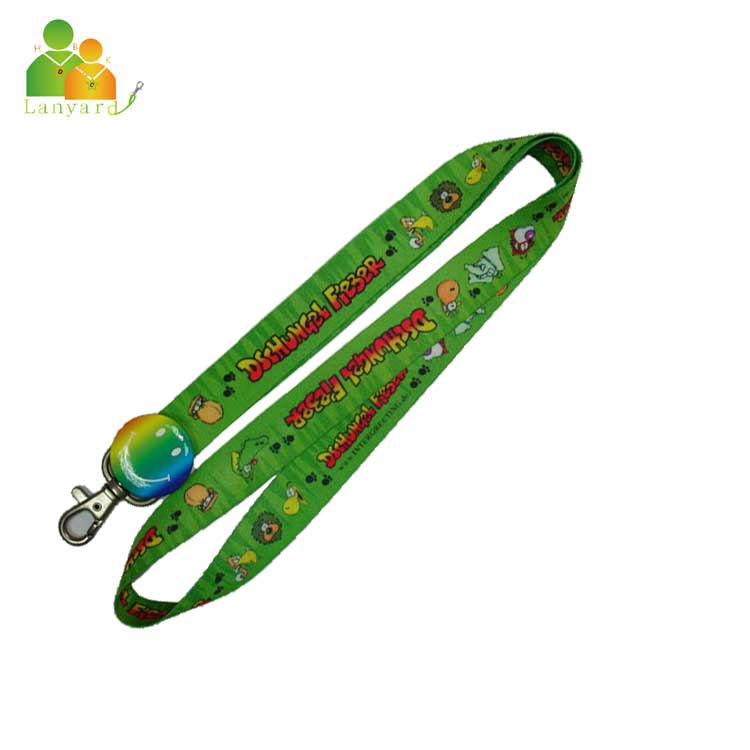
Plenty of shoppers assume that asking for a tweak means waiting an extra week. That's rarely the case when the customization options are built into the production flow from the start. Things like a monogram, a shorter hem, or a swapped clasp can often be handled in the same batch as standard orders, because the team already has those steps mapped out.
The trick is choosing the right kind of request. Small, well-defined changes—say, changing thread color on an embroidered initials or selecting a different strap length—don't require new patterns or extra approvals. Those move through the queue without a pause. It's the open-ended "make it unique" instructions that tend to cause delays, not the simple, structured ones.
So if you're worried about timing, stick to the options listed on the product page. Pick your variant, add your initials, leave a short note for placement, and check out. The workshop sees these daily and has them down to a rhythm, which means your custom touch won't cost you days.
Reading Between the Lines of a Manufacturer’s Material Specs
Manufacturer material specs often read like a highlight reel, not a full transcript. The numbers that make it onto a data sheet typically come from ideal conditions: freshly molded coupons, standardized test bars, tightly controlled lab environments. What gets left out can matter just as much as what’s included—long-term creep under sustained load, chemical resistance at elevated temperatures, UV stability after years of exposure, or how the material behaves once regrind is mixed in. A tensile strength of 80 MPa loses its shine if the test bar was conditioned for 40 hours at 23°C and 50% relative humidity, while your part will sit in a hot, oily engine bay day after day.
Pay close attention to hedged language: 'typical,' 'expected,' 'up to,' 'can achieve.' These are not promises. A flammability rating of UL94 HB at 3.0 mm only applies at that exact thickness; thin-wall sections may behave differently. A chemical compatibility table might list 'excellent' resistance to acetone without telling you the test lasted only 24 hours under zero mechanical stress. Ask what 'excellent' means in hard numbers—percent weight gain, retention of tensile strength, visible surface change—and over what exposure period.
The test method matters as much as the result. ISO and ASTM standards often give different values for the same property, and some suppliers quietly switch methods to make a material look more impressive. The footnote is part of the data. If a manufacturer won't share the full test report or raw data behind a spec, that's a signal—not necessarily dishonesty, but a gap between the printed number and real-world performance that you'll need to close with your own validation.
Hardware Choices That Keep Badges Secure Without Snagging
Most badge failures come down to one overlooked detail: the hardware. A pin back that feels solid in your hand can still spin loose after a few hours on a lanyard, while a bulky magnet might tug at thin event shirts. The trick is matching the attachment style to the fabric and the wearer's movement. For conference lanyards, a slim butterfly clutch or a low-profile bar pin stays put without digging into the chest. On thicker uniforms or denim, a locking safety pin or a dual-post magnet offers grip without the wobble.
Snags happen when the hardware has sharp edges or protrudes beyond the badge's silhouette. Rounded pin backs, recessed magnet channels, and rubberized clutch covers keep the badge flat against clothing. If you're working with reusable badges, consider a swivel clip that rotates as the wearer moves, preventing the badge from catching on sleeves or bag straps. The goal is a connection that feels almost invisible—nothing dangling, nothing scratching, nothing that requires a mid-event readjustment.
One practical test before committing to a hardware choice: run the badge across the inside of a knit sweater or a scarf. If it catches, swap the hardware. Look for smooth, rounded edges and ask suppliers for samples with both metal and plastic backings. Small changes here eliminate the most common badge annoyance, keeping your design secure through keynotes, happy hours, and everything in between.
Why the Right Finish Matters More Than the Printing Method
People often obsess over whether a project is offset, digital, or screen printed, but the finish is what actually shapes how a piece feels in your hands. A matte lamination can make a business card feel soft and understated, while a spot gloss on the same card creates a tactile contrast that draws your eye to the logo before you even read it. The printing method determines how efficiently you can produce something, but the finish decides whether anyone will remember it.
Think of finish as the final layer of personality. A soft-touch coating turns a plain brochure into something you want to keep holding, and a textured emboss on a cover invites your fingers to explore. On the flip side, a high-gloss UV coat can make colors leap off the page but also glare under certain light, which may annoy rather than impress. The method may get the image onto the paper, but the finish controls the entire sensory conversation.
This is especially true for packaging, where the finish can signal quality before the product is even opened. An uncoated, natural paper with a debossed logo feels artisanal and eco-conscious, while a foil-stamped, glossy box suggests luxury and precision. Both could be printed with the same digital press, but their finishes tell entirely different stories. In a crowded market, the right finish is often the quiet difference between being picked up and being passed over.
Spotting a Manufacturer That Handles Reorders Without Nagging
A genuine sign is not just on-time delivery, but how the manufacturer tracks your consumption. A partner worth keeping sends restock alerts based on actual usage patterns instead of generic monthly reminders. They keep a shared inventory view or at least monitor your previous order intervals, and they ask informed questions when your buying rhythm shifts. If their team reaches out before you notice stock running low, that's a strong signal.
Watch what happens when a cycle breaks. A reliable manufacturer flags potential delays or material shortages early and proposes alternatives, rather than waiting for you to chase. Their reorder process should have built-in triggers: automated replenishment suggestions, low-stock thresholds tied to your sales data, or an account rep who reviews your order history every quarter. Ask prospects: 'Can you show me an example of a reorder you initiated without being prompted?' The answer reveals whether this is embedded in their operations or just sales talk.
Check references specifically about reorder communication. Ask existing clients how often they have to follow up on repeat orders, whether the manufacturer ever missed a restock window, and how proactive their account manager is. A manufacturer that handles reorders quietly will have clients who say 'they just show up when we need them' rather than 'we have to email twice.' Also examine the order portal: does it show reorder points, purchase history, and one-click repeat orders? That kind of infrastructure is hard to fake.
FAQ
Pay attention to the attachment points. The plastic clip or split ring is usually the first thing to break. A good manufacturer will use a thicker gauge metal swivel hook or reinforced plastic, and they'll stress-test the connection. Also look for double-stitched ends rather than a single melt seal.
Request a video walk-through of the production line, not just a photo gallery. Ask about their QC process for dye lot consistency and print alignment. A reliable supplier will happily share a recent client reference or send a sample from a current production run, not a pre-made demo piece.
Start with a woven label or a debossed patch instead of full-color edge-to-edge printing. Swapping the standard plastic buckle for a matte metal-finish one adds a perceived quality bump for pennies. Another low-cost upgrade is offering a retractable badge reel attachment option rather than just a fixed clip.
For the lanyard itself, polyester is a good balance of softness and strength, but if you need frequent washing, go with a treated nylon or a blend that resists fraying. For the badge holder, rigid PVC holds its shape better than soft vinyl, and an anti-glare front panel makes IDs easier to scan without removing them.
Most mid-size manufacturers will set an MOQ around 500 to 1,000 pieces for fully custom printing, but some will do 250 with a setup fee. Lead times typically run three to five weeks after artwork approval, assuming no material shortages. If you need them faster, ask about splitting the order with a partial air shipment.
Specify dye-sublimation or screen printing with a UV inhibitor rather than generic heat transfer, which fades fast. For clips, test the release force yourself: a good badge reel should retract smoothly and hold at least 5 pounds of pull. Ask for a pre-production sample and run it through a week of actual use before approving bulk.
Don't just look at the sample on your desk. Attach the lanyard to a heavy badge stack, clip it to your belt loop, and wear it for a few days. Toss the holder in a bag with keys to check scratch resistance. Then send the supplier a video of any weak point so they can adjust tooling before the full run.
List the exact Pantone or CMYK color codes for both the strap and printed areas. Include dimensions in millimeters, not just 'standard size.' Specify the type of clip, swivel hook, or reel, plus the breakaway safety feature if needed. Finally, note the packaging requirement, like individual poly bags or bulk cartons, to avoid surprises.
Conclusion
Sourcing lanyards that survive daily wear isn’t about paying more for thicker straps; it’s about knowing where manufacturers take shortcuts. A lanyard lasts beyond the first quarter when the webbing has a tight, even weave and the attachment points are reinforced, not just glued or lightly stitched. Ask for a sample and bend the clip area repeatedly—if the fabric frays or the swivel hook loosens, the production run won’t hold up much better. Customization can be extensive without dragging out lead times if the supplier has in-house dye-sublimation and digital cutting. Logos, names, or safety messages should be printed directly into the material rather than applied as a surface layer that peels after a few weeks of badge tugging.
Material spec sheets often hide the real story; look past generic “polyester” labels and check denier, weave density, and whether the strap has a matte or glossy finish. The finish affects how the printed text reads under office lights and how resistant the surface is to scratches, often more than the printing method itself. For hardware, a secure badge holder uses a swivel hook or metal spring clip that doesn’t snag on clothing, and the ID pouch should have a sturdy clear window that resists yellowing. Finally, a supplier worth keeping will track your previous artwork, thread colors, and attachment preferences so reorders arrive without you chasing down specs or correcting avoidable errors.
Contact Us
Contact Person: Bill Huang
Email: [email protected]
Tel/WhatsApp: 8613829102720
Website: https://www.dclanyard.com