
Inside a Riding Jacket Factory: How Premium Motorcycle Gear Is Made
2026-06-11
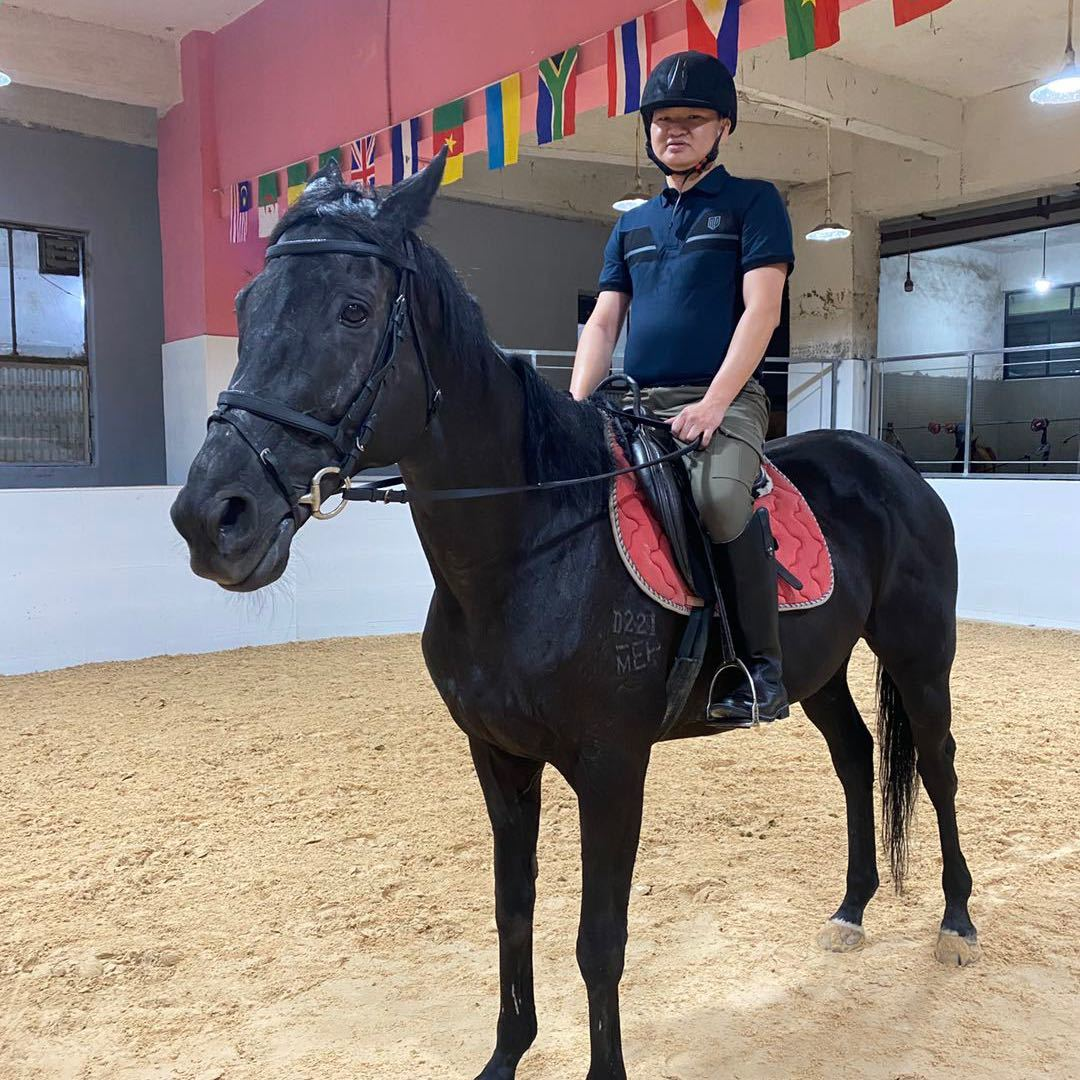
Ever wondered what goes into the jacket that protects you on the open road? Inside a specialized riding jacket factory, every stitch and seam tells a story of precision and passion. We went behind the scenes to see how premium motorcycle gear is crafted—focusing on the craftsmanship that brands like OpeEquestrian demand. From cutting-edge materials to hand-finished details, this is where safety meets style.
Textile Selection: The Backbone of Impact Protection
Choosing the right textile is the single most critical decision in designing impact-resistant gear. The fabric acts as the foundation, dictating how energy is dispersed, absorbed, or transferred during a collision. Without a carefully selected material, even the most advanced padding systems fall short, leaving vulnerable areas exposed to injury. Factors such as tensile strength, tear resistance, and elongation become non-negotiable performance indicators, guiding engineers toward solutions that balance durability with flexibility.
Modern impact protection often relies on high-tenacity fibers like aramid or ultra-high-molecular-weight polyethylene, woven into dense, multi-layer constructs. These materials excel at stopping sharp objects and distributing blunt force across a larger surface area. Yet the textile's structure matters just as much as the fiber itself—tight weaves limit penetration, while engineered knits offer superior stretch and recovery, allowing the protective layer to move with the body without sacrificing coverage. This synergy between raw material and construction is what separates truly effective gear from superficial padding.
Beyond pure mechanics, textile selection also influences long-term comfort and wearability. Breathable, moisture-wicking fabrics prevent heat buildup during extended use, while antimicrobial treatments keep odors at bay. The outer shell must resist abrasion, UV degradation, and chemical exposure without compromising the inner protective layers. By treating the textile not as an afterthought but as the backbone of the system, designers create impact protection that people will actually want to wear—reliably performing through countless impacts and environmental challenges.
Pattern Engineering: Balancing Fit with Movement
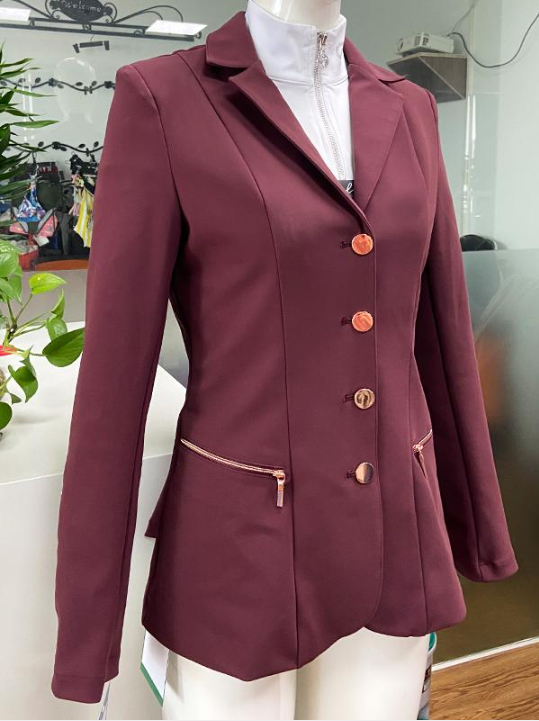
At first glance, pattern making seems like a discipline of static measurements—bust, waist, hip. Yet experienced pattern engineers know that clothing is only truly well-fitted when it accounts for the body in motion. A sleeve that looks impeccable on a standing form might bind when reaching forward; a skirt that appears clean and fitted can hike up when climbing stairs. The subtle art lies in building mobility into the pattern without disrupting the visual line, a balance that demands both anatomical insight and a willingness to test and tweak repeatedly.
Traditional methods often rely on adding ease in predetermined amounts, but genuine movement-oriented pattern engineering is more surgical. By rotating darts, sculpting armscye curves, and adjusting grainlines, you can create a second-skin effect that flexes with the body. For instance, a jacket back might incorporate a subtle shoulder pleat disguised within a seam, allowing a golfer’s swing without the blousy look of a boxy cut. It’s this hidden architecture that separates a competent garment from one that feels liberating.
Today’s cutting-edge work pushes further, using contoured pattern pieces that mimic body contours in a relaxed stance while expanding during movement. Some designers introduce minimal stretch panels in non-stretch fabrics, placed strategically at elbows or knees. The real craft, however, is knowing when to let the fabric do the work and when the pattern must do the heavy lifting—a dance between structure and forgiveness that defines the most wearable, enduring designs.
Cutting-Edge Machinery That Shapes the Modern Jacket
Walking through a modern jacket factory feels less like entering a traditional tailor's workshop and more like stepping onto a high-tech assembly line. Laser cutters zip across rolls of technical fabric with surgical accuracy, guided by digital patterns that eliminate even a millimeter of waste. Automated spreading machines handle delicate membranes and insulation layers without a single wrinkle, while robotic arms stitch complex 3D seams that would take human hands days to master. It’s not just about speed—these machines handle materials that old-school needles would shred, from ultralight ripstop to bonded softshells.
The real game-changer is how this machinery lets designers rethink the jacket entirely. Ultrasonic welding fuses panels without thread, creating waterproof seals that never leak. Programmable quilting stations map out baffle shapes in seconds, fine-tuning down fill distribution for warmth where you actually need it. Even the finishing steps have been reinvented: heated molds press collar shapes that hold their form through years of wear, and sensor-equipped pressing stations adjust temperature on the fly to avoid scorching delicate outer fabrics. The result is a jacket that fits better, lasts longer, and adapts to conditions in ways that simply weren’t possible a decade ago.
Stitching Techniques That Prevent Blowouts
When seams are under constant tension, the choice of stitch type makes all the difference. A straight lockstitch, while common, creates a perforation line that can rip like a cheque when strained. Instead, a well-tensioned overlock stitch or safety stitch not only encloses the raw edge but distributes force across multiple threads. This turns a single failure point into a resilient chain that holds firm even under extreme load.
Another often-overlooked tactic is adjusting the stitch length and thread composition. Shorter stitches might seem stronger at first glance, but they can actually weaken the fabric by puncturing it too densely. A moderate stitch length paired with a high-tenacity bonded nylon or polyester thread allows the seam to stretch and recover without snapping. In stress-prone areas, reinforcing with a double row of stitching—known as ‘topstitching’—adds a second line of defense, visibly locking the seam allowance away from the primary stress zone.
For the ultimate armor against blowouts, consider the assembly sequence. Flat-felled seams and French seams, commonly used in workwear and outdoor gear, encapsulate raw edges and create a double layer of fabric at the join. This not only prevents fraying but mechanically anchors the stitch line. When combined with a bar-tack at the beginning and end of the seam—a dense zigzag cluster—the result is a construction that redirects forces away from the stitch holes altogether, leaving you with a seam that’s as durable as the fabric it binds.
Embedding Armor Without Compromising Comfort
The idea of adding protective layers to clothing often brings to mind stiff, bulky materials that sacrifice ease of movement. But modern engineering has quietly overturned that assumption. By weaving high-strength fibers into the fabric's very structure, rather than treating them as an afterthought, we create garments that flex with the body while still absorbing and dispersing impact forces. The result is a second skin that doesn't feel like armor until the moment you need it.
Comfort isn't just about softness—it's about breathability, temperature regulation, and freedom. Advanced textiles use microscopic pore structures that allow heat and moisture to escape, even as they form a barrier against abrasion and puncture. Imagine a jacket that weighs little more than a cotton hoodie, yet can shrug off road rash or workplace hazards. This is achieved by blending performance yarns such as UHMWPE with conventional fibers, creating a hybrid that disappears into everyday wear.
Perhaps the real trick is in the design philosophy. Instead of adding separate protective panels, which create rigid zones and chafe points, the protection is integrated into the base fabric itself. Seamless knitting and 3D weaving techniques place reinforcement exactly where it's needed—across the shoulders, elbows, or knees—without interrupting the garment's natural drape. The wearer forgets they're shielded, which is precisely the point: armor that doesn't announce itself makes daily life safer without changing how you live it.
From Lab to Road: How Jackets Endure Crash Testing
Before a riding jacket earns its place on your back, it faces a barrage of lab-based torture that simulates the worst a road can throw at you. Industrial abrasion machines spin and grind fabric samples against rough surfaces, measuring how long the material survives before tearing through. Impact-absorbing armor is dropped onto anvils and struck with weighted strikers, capturing the exact force transmitted through foam and composite plates. Every seam, zipper, and stitch is pulled, yanked, and stressed until failure, creating a map of weak points that designers must eliminate.
But lab tests only tell half the story. To understand real-world performance, engineers and test riders take prototypes to closed tracks and public roads, pushing garments through controlled slides on asphalt and evaluating how they behave in motion. Cameras and sensors track airflow, ergonomic fit, and heat buildup during hours-long rides, while post-crash inspections reveal whether vents peeled open, seams split, or armor stayed in place. This feedback loop between sterile test cells and sun-scorched pavement is what transforms a good jacket into a reliable companion.
Ultimately, a jacket’s endurance is measured not just in seconds of abrasion time or kN of transmitted force, but in the quiet confidence it gives when you’re miles from home. The road demands a brutal honesty that no machine can fully replicate, which is why the final proving ground always stretches beyond the lab’s controlled chaos. Each scuff, fade, and repaired panel on a well-traveled jacket tells a story of the journey from white-coated precision to the unpredictable reality of life on two wheels.
FAQ
Premium riding jackets often combine abrasion-resistant textiles like Cordura® with full-grain or top-grain leather in impact zones. Some models integrate Kevlar® panels or Dyneema® threading for extreme tear strength, while waterproof membranes like Gore-Tex® keep riders dry without trapping sweat.
Instead of plain stitching, advanced factories use hidden seam welding or flat-locked seams with heat-sealed tape. Leather edges are skived thin, then double-stitched with bonded nylon thread. For hybrid jackets, ultrasonic bonding fuses textile and leather layers, keeping the garment pliable at key flex points.
Designers utilize 3D rider scans to place stretch panels where the body moves—typically under the arms and across the shoulders. Perforation patterns are positioned based on thermal imaging data, balancing airflow with protection. This approach builds in race-ready articulation without excess bulk.
Armor pockets are loaded with CE-certified protectors, then the whole jacket is mounted on a pneumatic crash dummy arm. A pendulum rig simulates 50–80 Joules of impact energy. High-speed cameras capture any protector shift, and only jackets that keep armor within a 4 mm tolerance pass.
A removable thermal liner isn’t just for cold weather. It’s engineered as part of a layered system: the outer shell blocks wind and abrasion, a waterproof mid-layer breathes, and a quilted liner traps heat. Riders can strip layers independently, letting one jacket handle commuting in 40°F rain and canyon carving in 95°F heat.
In premium manufacturing, each seam is assigned a specific stitch-per-inch count that varies by stress zone. Bar tack machines reinforce pocket corners and armor housings with up to 120 stitches per inch. Operators follow ISO 4915 standards, with every 50th jacket pulled for seam tensile testing to ensure consistent thread tension.
Hides are spread on illuminated inspection tables where graders mark scars, wrinkles, and stretch marks with chalk. Only about 60% of a top-grade hide makes it into production—areas with natural blemishes are cut away. High-stress panels are taken from the most consistent grain areas along the spine, ensuring uniform strength.
Failed jackets go through a forensic recheck. The waterproof membrane is X-rayed for pinholes, and if any are found, that batch’s membrane lot is quarantined. Fixable issues like seam tape lifting are corrected and re-tested under higher pressure. If a jacket fails twice, it’s completely disassembled so components can be recycled into non-safety products.
Conclusion
Walking into the factory, the first thing you notice is the towering shelves of technical textiles—each roll tested for abrasion resistance and tensile strength before it ever touches a cutting table. The selection process leans heavily on high-denier nylons and tightly woven aramids, chosen not just for sliding on asphalt but for resisting tears at the seams during an impact. Once the fabric is locked in, pattern engineers take over, sculpting pieces that mirror the body in a riding crouch, with articulated sleeves and pre-curved elbows that eliminate bunching without restricting reach to the handlebars. These digital patterns feed directly into automated cutters that glide through multiple layers with laser precision, ensuring each panel matches its specs down to the millimeter—a dance of machinery that blends old-school tailoring logic with modern manufacturing speed.
Stitching is where the jacket’s soul really lives. Flat-felled and triple-stitched seams run along primary stress lines, using bonded nylon thread that stretches slightly under load instead of snapping. Operators at specialized workstations embed CE-rated armor into mesh pockets that are suspended inside the liner, never sewn directly to the outer shell, so the pads float with the rider’s body and don’t dig in during long hours on the saddle. Before any jacket hits the market, prototypes are subjected to the kind of abuse that makes you wince: dragged along abrasive surfaces in controlled crash simulations and blasted with impact tests that measure force dispersion across the back, shoulders, and elbows. It’s a relentless loop of lab data and real-world feedback that fine-tunes every detail, proving that a premium riding jacket isn’t just assembled—it’s forged through a deliberate fusion of material science, geometry, and a stubborn refusal to compromise on protection.
Contact Us
Contact Person: Keven Tong
Email: [email protected]
Tel/WhatsApp: +86 18666477707
Website: https://www.ope-technology.com