
Keychain Lanyard Factory Customization Ideas for Branded Everyday Accessories
2026-11-28
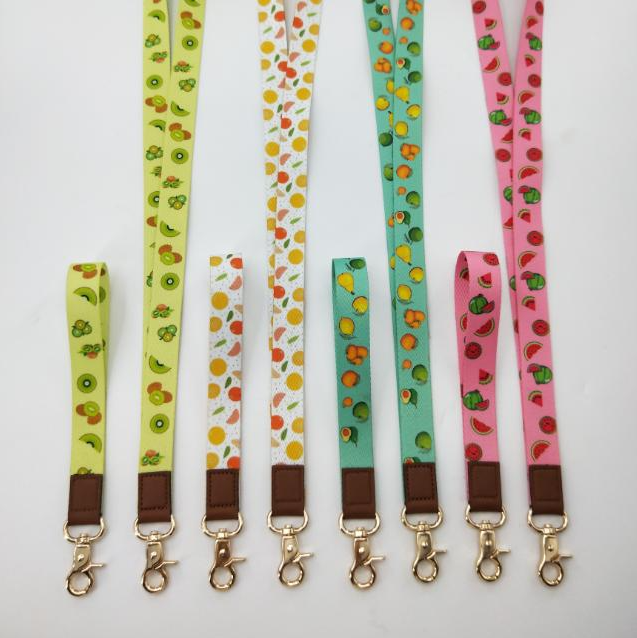
Most branded giveaways disappear into drawers, but a keychain lanyard earns a place in someone's daily routine. It holds keys, badges, and small tools, which means it also holds attention. The challenge is making one that feels useful and distinctly yours instead of just another logo print. DONGCHUANG treats factory customization as a chance to rethink materials, attachments, and finishing details, not just add a name. Below, we look at fresh ways to turn ordinary lanyards into branded everyday accessories people actually keep.
Designing Lanyards That Stay in Daily Rotation
A lanyard earns its spot in a daily kit when it stops feeling like a branded afterthought and starts working like a small piece of everyday gear. That means choosing a fabric weight that won't twist into a rope behind your neck by noon, and hardware that doesn't announce every movement with a jingle. Matte finishes, subdued edge stitching, and a clip that opens without a fingernail sacrifice tend to keep people reaching for the same one long after the event ends.
Rotation happens when the design gives people a reason to switch without making them think about it. A slightly narrower strap for lighter badges, a breakaway point placed where it actually sits flat, or a colorway that doesn't fight with a work wardrobe all make the difference. The best designs don't try to be loud; they just keep fitting into the day without friction.
The details that keep a lanyard in play are rarely the ones visible in a product photo. It's the way the printed edge doesn't crack after a week, the way the attachment stays put when a phone gets pulled from a pocket, and the way the weave stays smooth against skin. Those small decisions quietly decide whether a lanyard lives in a drawer or stays in the rotation.
Hardware Finishes That Quietly Shift Perceived Value
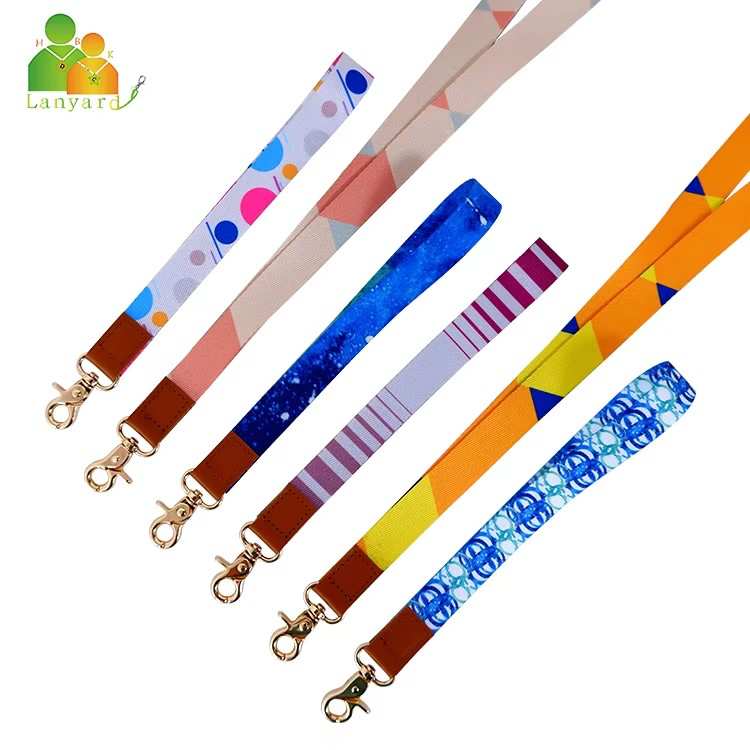
The perceived cost of an object rarely comes down to the material alone. A brushed brass handle with a slightly grained finish reads as heavier and more deliberate than the same shape in polished chrome, even when both are die-cast zinc. That difference registers before anyone consciously looks for it—warmth in the tone, reduced glare, and a faint texture that suggests machining rather than stamping.
Surface treatments also change how people use a piece. A low-sheen powder coat hides fingerprints and makes thin steel feel denser, while an inconsistent edge or overly glossy clear coat can make solid wood or metal feel disposable. Sound matters too; a soft-close drawer with a dull, dampened click implies tighter tolerances than a cheap, metallic snap.
None of this requires spending more on raw materials. It is usually about choosing a restrained finish, aligning grain or brush direction, and letting the hardware feel slightly cooler or more matte than expected. When those details line up, customers tend to assign a higher value without being able to name exactly why.
Blending Brand Marks Without Turning Wearers Into Billboards
A well-placed mark can do more than a loud one. The trick is to treat branding as a detail rather than the main event: a tonal embroidery near the cuff, a debossed emblem on a button, or a repeat motif hidden inside a placket. These touches reward people who look closely without demanding attention from everyone else.
Scale and contrast make the difference. When a logo matches the fabric's shade or sits smaller than a coin, it reads as part of the garment's architecture. Some makers push it further by placing the mark where it disappears under a collar or gets revealed only when a sleeve rolls up. The result is a piece that belongs to the wearer, not to the marketing department.
That restraint often signals confidence. It suggests the product can stand on its cut, fabric, and stitching rather than on repeated initials. In practice, it means choosing one quiet signature over a dozen placements, and letting the silhouette carry the story.
Weave Patterns That Survive Real Life Beyond the Mockup
A weave can look crisp in a flat lay and still fall apart in daily wear. The difference usually comes down to how the yarn responds to tension, moisture, and repeated movement, not how neatly the pattern reads in a photo. If a pattern only holds its shape when it is pinned flat or arranged by hand, it will not tell you much about the drape after a commute or a few hours in a chair.
The patterns that last tend to have a built-in give. Twills, small-scale honeycombs, and ribbed structures distribute strain across more points instead of pulling at a single float. A tighter set can look less impressive on a screen, but it keeps edges from rolling and prevents the fabric from bagging at the elbows or knees. I would rather choose a quieter pattern with a stable hand than a bold motif that needs constant adjusting.
Before committing, try a rough test on a swatch. Rub the surface, tug the bias, and wash it once the way you actually would. Real life is messier than a styled mockup, and the weave should be able to handle that without turning fuzzy or losing its outline. That kind of resilience is what makes a pattern feel intentional rather than just decorative.
Turning Packaging and Keychains Into One Wearable Keepsake
Most boxes get torn open and tossed before the product inside has even had a chance to prove itself. This one doesn’t. The moment you slide the sleeve off, a slim cutout shape lifts away from the cardboard and slips onto your keyring. It is not a freebie thrown in as an afterthought; the packaging itself becomes the tag that travels with you long after the unboxing is over.
The switch from wrapper to wearable works because the structure is already doing two jobs at once. A perforated outline hides in plain sight on the inner panel, and a small reinforced hole sits exactly where a split ring will need to pass through. Fold along the crease, press the layers together, and the flat paper feels solid enough to survive pockets, bags, and the occasional drop. What would normally be waste now has a second life that starts before the first one ends.
There is also something quietly personal about carrying it. The keychain is not a separate logo stamped in bulk. It carries the same marks, colors, and slight imperfections as the box it came from, so no two feel identical. That turns a simple keepsake into a small daily reminder of a product you chose to keep close, not just something you unboxed and forgot.
Using Factory Customization as a Fast Iteration Tool
Getting a product variant ready for a new audience often bogs down in repetitive setup work. Factory customization changes that by treating the base configuration as a starting point rather than a finished template. Small teams can branch off, tweak materials, sizing, or layout rules, and push a test batch without waiting on a full production cycle.
The real advantage shows up when feedback arrives in pieces. Instead of rebuilding a custom setup from scratch, you adjust the factory parameters that control the parts that actually differ. Those changes stay visible in one place, so the next iteration starts from the last known good state instead of a fresh guess.
Over time this turns iteration into a lower-stakes activity. A failed test no longer means discarding days of work, because only the overrides and custom steps need to be reconsidered. The shared core stays intact, which keeps quality consistent while still giving each new variant enough room to feel distinct.
FAQ
A secure clip or split ring matters more than almost anything else. Beyond that, look for tightly stitched edges, a comfortable width around 10–15 mm, and a breakaway clasp if the lanyard will hold keys or an ID badge around the neck.
Small changes often stand out more than a big printed logo. A woven pattern along the strap, a metal end cap with a debossed monogram, or a subtle contrast-stitch edge can make people notice the accessory itself rather than just the branding.
Tubular polyester with a tight weave can look and feel more finished than flat polyester, and it usually costs only a little more. Recycled PET fabric is another option that has a matte texture and gives the item a quieter, more considered feel.
Many factories set a floor around 300 to 500 pieces for full custom colors and printing, though lower quantities are sometimes possible if you keep to standard hardware and one strap color. It helps to ask about stock options before adding too many custom finishes.
A typical run takes about two to four weeks after artwork approval, depending on the hardware and printing method. If the design uses stock attachments and standard thread colors, production can move closer to two weeks; custom metal finishes usually add several days.
Yes. A breakaway clasp at the back of the neck is the most common safety feature, and it can be tuned to separate under a certain amount of force. For less hazardous settings, a side-release buckle makes the lanyard easy to remove without pulling it over the head.
Oversized logos, shiny plastic hooks, and very wide straps tend to read as promotional rather than everyday. A cleaner approach is to keep the logo repeat subtle, choose matte or brushed metal hardware, and leave some breathing room along the strap.
A single-color version of the logo usually works better than a full-color print. Repeating the mark in a tonal weave can add texture without shouting, and placing it closer to the clip or at the mid-chest line keeps it visible when the lanyard is worn.
Conclusion
Most people won't carry a lanyard that feels like a tag around the neck. Factory customization works when it starts with materials that can handle actual keys, ID badges, and the occasional snag on a door handle. A flat polyester strap might look crisp on a mockup, but a ribbed or herringbone weave ages better because it hides wear and keeps the strap from twisting. Hardware choices matter just as much: a brushed stainless swivel hook or a matte black split ring gives the item a heavier, more deliberate feel without pushing up cost too far. Brand placement then becomes a question of restraint. A small woven monogram along the strap or a stitched tab near the clip reads as intentional, while wrapping a logo around the whole length turns the wearer into a human billboard.
There is also room to think beyond the lanyard itself. A keychain that functions as a small housing or clip for the folded strap keeps packaging out of the landfill and gives the product a second use after the first unboxing. Factories that support shorter runs and quick sampling make it easier to adjust things like thread color, clasp finish, and strap width without betting on a large production order. That kind of back-and-forth shifts customization from a single design freeze into a fast iteration loop, which is often where the more memorable everyday accessory gets made. The end result is a branded item people actually rotate into their routine instead of tossing into a drawer.
Contact Us
Contact Person: Bill Huang
Email: [email protected]
Tel/WhatsApp: 8613829102720
Website: https://www.dclanyard.com