

Mixer Truck Washing Machine Supplier Selection Tips for Reliable Fleet Cleaning
2026-11-29
Keeping a fleet of mixer trucks clean isn’t just about appearances — it’s about uptime, safety, and avoiding costly buildup that wears equipment down. But finding the right washing machine supplier can feel like a maze of spec sheets and sales pitches. If your current cleaning setup leaves concrete residue in hard-to-reach spots or slows your turnaround between jobs, these selection tips will help you cut through the noise. At Sinou, we’ve seen how the right equipment changes a fleet’s daily rhythm — and we’d like to share what actually matters before you commit.
Watch Where the Water Actually Hits the Drum
Most people assume the spray pattern inside a washing machine is uniform, but that's rarely the case. Stand beside the drum during a rinse cycle and you'll notice the water doesn't blanket the entire surface. Instead, it tends to concentrate in a few distinct bands, often near the back edge or along the upper third of the drum. Those dry patches are where soil gets trapped, redeposited, and then baked in by the spin cycle. If you want cleaner clothes, stop trusting the default settings and start observing where the actual wetting happens.
The angle of the water inlet and the speed of the drum rotation dictate this uneven distribution. A fast spin throws water outward, but a slow tumble lets it pool at the bottom and creep up the sides in a lopsided fashion. Load size matters too. A tightly packed drum blocks the spray from reaching inner layers, while a loosely packed one lets the water slip through without enough agitation to dislodge grime. Adjust your load size and placement of heavily soiled items so they sit directly in the path of the strongest water flow.
One practical way to test this is to pause the machine mid-rinse and open the door briefly. You'll see exactly which areas are soaked and which remain nearly dry. Rearrange the load accordingly, or switch to a cycle with a lower spin speed for delicate fabrics that need more direct water contact. Watching where the water actually hits takes thirty seconds, but it can save you from rewashing the same load twice.
Ask About Mud and Cement Buildup Under the Frame
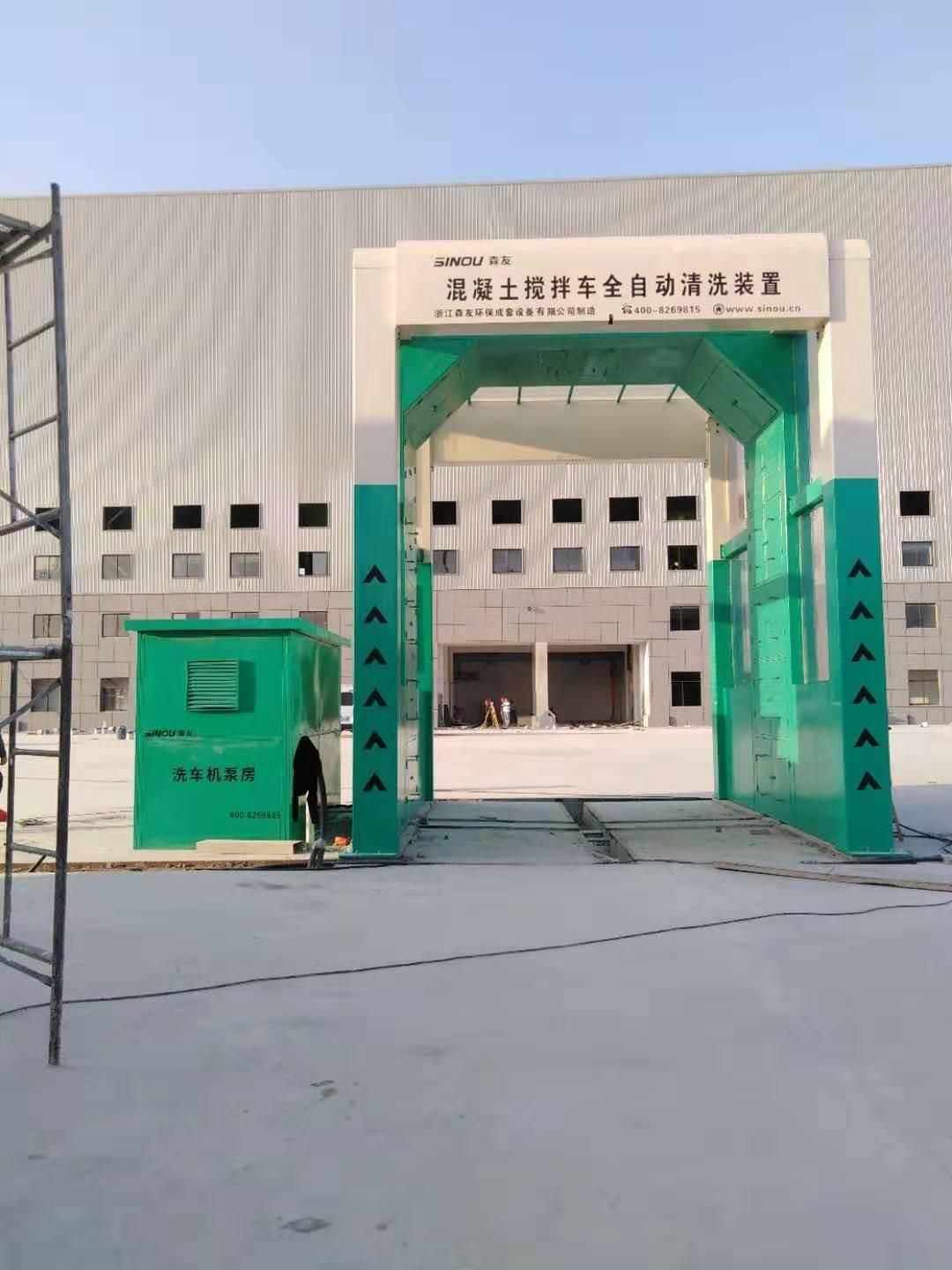
Mud and cement don't just sit on the surface of a frame—they work their way into joints, bolt holes, and the narrow gaps where metal meets concrete. If you notice a crust forming along the bottom rail or packed around the base plates, that's a sign moisture is being trapped. Left alone, this buildup holds water against the steel and speeds up corrosion in places you can't easily see.
Ask whoever handles the equipment how often they check under the frame. A quick visual glance from above won't catch what's hardening underneath. The real tell is running a flat bar or stiff brush along the underside and seeing what falls out. Dry mud flakes are one thing; damp, cement-heavy clumps are another. If the residue feels gritty and won't knock loose with light pressure, it's already starting to bond.
Removal shouldn't wait until the next scheduled service. Use a wooden wedge or plastic scraper first—metal tools can gouge the coating and give rust an easier starting point. For stubborn cement, a low-pressure wash with plain water works better than chipping away with force. After the frame is clean, check the drain holes. If they're blocked, repeat the whole cycle again in a few weeks and you'll know the real source of the problem.
Test the Controls With the Operator Who Washes Trucks All Day
Spend an hour standing next to the person who runs the wash bay from open to close. Skip the conference room demo and hand them the actual control panel, a dirty truck, and a timer. Watch where they hesitate, which buttons they press twice, and what they curse at when the foam cannon doesn't trigger. Their workflow is the real spec, not the one drawn on the whiteboard.
Ask them to run three different truck types through the same cycle—a box van caked in mud, a tanker with dried chemical residue, and a pickup that barely fits the bay. Notice how they override the preset soap concentration or bypass the undercarriage rinse to save time. Let them narrate the parts that feel backwards. You will learn more about control placement in twenty minutes than a week of usability surveys.
After the hands-on session, go back to the interface and fix the two or three things that slowed them down most. The goal is not a control system that works in a demo video; it is one that survives eight hours of wet gloves, cold fingers, and the same motion repeated until it becomes muscle memory.
Compare Water Recovery Systems Before You Compare Price Tags
Most buyers start by lining up water recovery systems according to sticker price, but that habit hides the real cost of ownership. A unit with a lower upfront cost can demand more frequent filter swaps, higher energy draw, or shorter service intervals, which quietly add up over a few years. Before you narrow the list by price, look at how the system handles water quality swings, how often key parts need replacement, and whether the quoted figure includes installation, pretreatment, and any required monitoring equipment.
Recovery rate matters just as much as the purchase number. Two systems can carry similar price tags, yet one may return 80% of the feed water for reuse while the other only manages 60%, meaning you pay to treat and discharge water that never becomes usable. The lower-recovery option often forces you to buy a larger unit or run longer cycles to meet the same demand, erasing the initial savings. Check how the system performs with your specific contaminants, not just the clean-water spec sheet from the manufacturer.
Serviceability is the hidden variable that separates a bargain from a burden. Ask how long a technician typically stays on-site for repairs, whether spare parts are stocked locally, and if the system can be maintained by your in-house team. A cheap system that requires a specialist visit every quarter can overtake the cost of a pricier model with tool-less maintenance and clear diagnostics. Compare recovery efficiency, downtime risk, and real operating costs first. Once those are equal, the price tag becomes a fair way to decide.
Call a Local Fleet That Has Run the Same Machine for Two Winters
A phone call like this can tell you more than any spec sheet ever will. A local fleet that has already pushed the same machine through two full winters knows which fittings froze, how the batteries behaved at minus ten, and whether the cab actually warmed up before the first job of the day. Those details rarely show up in a brochure, but they are exactly what you will deal with when the temperature drops.
Ask them what broke in the second winter, not the first. The first season often feels fine because everything is still new and tight. By the second, seals, glow plugs, hydraulic hoses, and door latches start to show their real temperament. A fleet manager will usually remember the exact morning a machine refused to start and what the fix cost, because it probably disrupted a whole crew.
Keep the conversation specific. Instead of asking if they like the machine, ask how many hours it had when the first cold-weather fault appeared and whether they would order the same engine package again. You are not after a review; you are after the repair history the seller may not mention.
Check the Supplier’s Parts Promise for Monday Morning Breakdowns
Check the Supplier’s Parts Promise for Monday Morning BreakdownsFAQ
Start by looking at the supplier's track record with concrete fleets, not just their general wash equipment experience. Ask for references from operations running similar mixer counts and pay attention to how their machines handle dried cement, aggregate buildup, and drum chute residue.
A knowledgeable supplier will bring up drum rotation speed, chute angles, and the need for targeted high-impact spray patterns without being prompted. If they only talk about generic truck washing or focus on exterior panels, keep looking.
Concrete residue tends to bond in hard-to-reach areas, so a system with well-placed nozzles and the right spray angle can outperform a high-pressure setup that simply blasts water everywhere. Look for suppliers who can explain nozzle placement in relation to mixer geometry rather than quoting maximum pressure figures.
You want a supplier that provides more than a user manual. Ask about on-site commissioning, operator training for wash cycles, remote troubleshooting, and response time for parts. A dependable supplier will walk your crew through the first weeks of operation instead of disappearing after delivery.
Usually yes, because mixer truck cleaning needs can change as your fleet grows or seasonal dirt loads shift. Modular systems let you add brushes, extra spray arches, or water recycling capacity without replacing the entire setup, which keeps long-term costs more predictable.
Request actual performance data on solids removal and water recovery rates under conditions similar to a concrete yard. A trustworthy supplier will be upfront about how often settling tanks need cleaning, what filtration media are used, and the expected maintenance hours per month.
Ask how their wash cycles perform when several mixers return at the same time. Listen for specifics like cycle time under heavy soiling, queue-friendly controls, and pump duty cycles. Suppliers that only give vague answers about speed usually have not tested their machines in busy fleet environments.
It should be a major factor because mixer washing machines work in harsh conditions and breakdowns often happen at the worst time. Prefer a supplier with regional parts stock or fast courier agreements, and confirm which components are considered wear items so you can plan replacement budgets realistically.
Conclusion
A pressure gauge can look impressive on a spec sheet, but the real test is watching where the water actually strikes the drum. Stand beside the wash bay and look for coverage on the lower barrel, the charging hopper, and the fins where dried concrete hides. Ask the supplier how the system handles mud and cement packed under the frame rails, because that buildup does more damage than a dirty drum. Then put the controls in the hands of the person who washes trucks all day. If the buttons force extra steps, awkward pauses, or blind spots during a rinse, the machine will slow down the yard no matter how good the brochure sounds.
Water recovery deserves attention before price tags. A cheap system that clogs filters or leaves a gritty slurry in the sump becomes expensive quickly. Find out how often screens need cleaning, where settled solids go, and whether the recycled water still has enough pressure to knock off cement. Call a local fleet that has run the same machine through two winters, because cold-weather breakdowns and frozen lines rarely show up in a demo. Ask for the supplier's parts promise when something fails on a Monday morning. If the answer is vague about local stock, next-day delivery, or phone support, keep looking. Reliable fleet cleaning comes from these unglamorous details, not from the largest pump or the shiniest control panel.
Contact Us
Contact Person: HaiYan
Email: [email protected]
Tel/WhatsApp: +86 18957325588
Website: https://www.senyoubeton.com/