

OEM Engine Cylinder Head: Essential Insights for Optimal Performance and Durability
2026-07-16
When it comes to engine longevity and peak efficiency, the cylinder head is often the unsung hero under the hood. Getting the right OEM engine cylinder head isn’t just about replacing a part—it’s about preserving the precise engineering that your vehicle was built with. DDR understands this critical balance, bringing you insights that cut through the noise so you can make choices that truly last. Whether you’re chasing smoother performance or avoiding costly breakdowns, the journey to a more durable engine starts right here.
What Makes OEM Cylinder Heads Superior for Engine Longevity
OEM cylinder heads are engineered to match the exact specifications of your engine, which is something aftermarket alternatives rarely achieve. The alloys used, the casting techniques, and even the cooling passages are all designed to handle the thermal cycling and stress that occur over tens of thousands of miles. When a manufacturer designs a cylinder head, they don’t just focus on immediate performance—they account for expansion rates, gasket compatibility, and how the head interacts with the block over years of use. This cohesion keeps compression stable and prevents the slow leaks or warping that can gradually rob an engine of its power.
Another overlooked factor is how OEM heads maintain their integrity through countless heat cycles. The materials are chosen to resist fatigue cracking, and the valve seats are pressed in with precise interference fits that won’t loosen as the metal ages. Small details like hardened threads for spark plugs and reinforced areas around the exhaust valves make a real difference down the road. Aftermarket components often cut corners here, using softer materials or one-size-fits-all castings that just can’t replicate the durability of a part built by the people who developed the engine.
There’s also the matter of surface finish and flatness out of the box. Factory heads come with a carefully measured surface roughness that promotes a long-lasting seal with the head gasket. Many rebuilders will tell you that a fresh OEM head often doesn’t need resurfacing, while a cheaper replica might already be slightly off, setting the stage for premature failure. That initial quality, combined with the compatibility of the entire assembly, means you’re not constantly nursing small issues that add up. Over the life of an engine, those small margins separate a reliable daily driver from one that’s constantly in the shop.
Key Material and Design Features That Drive Performance
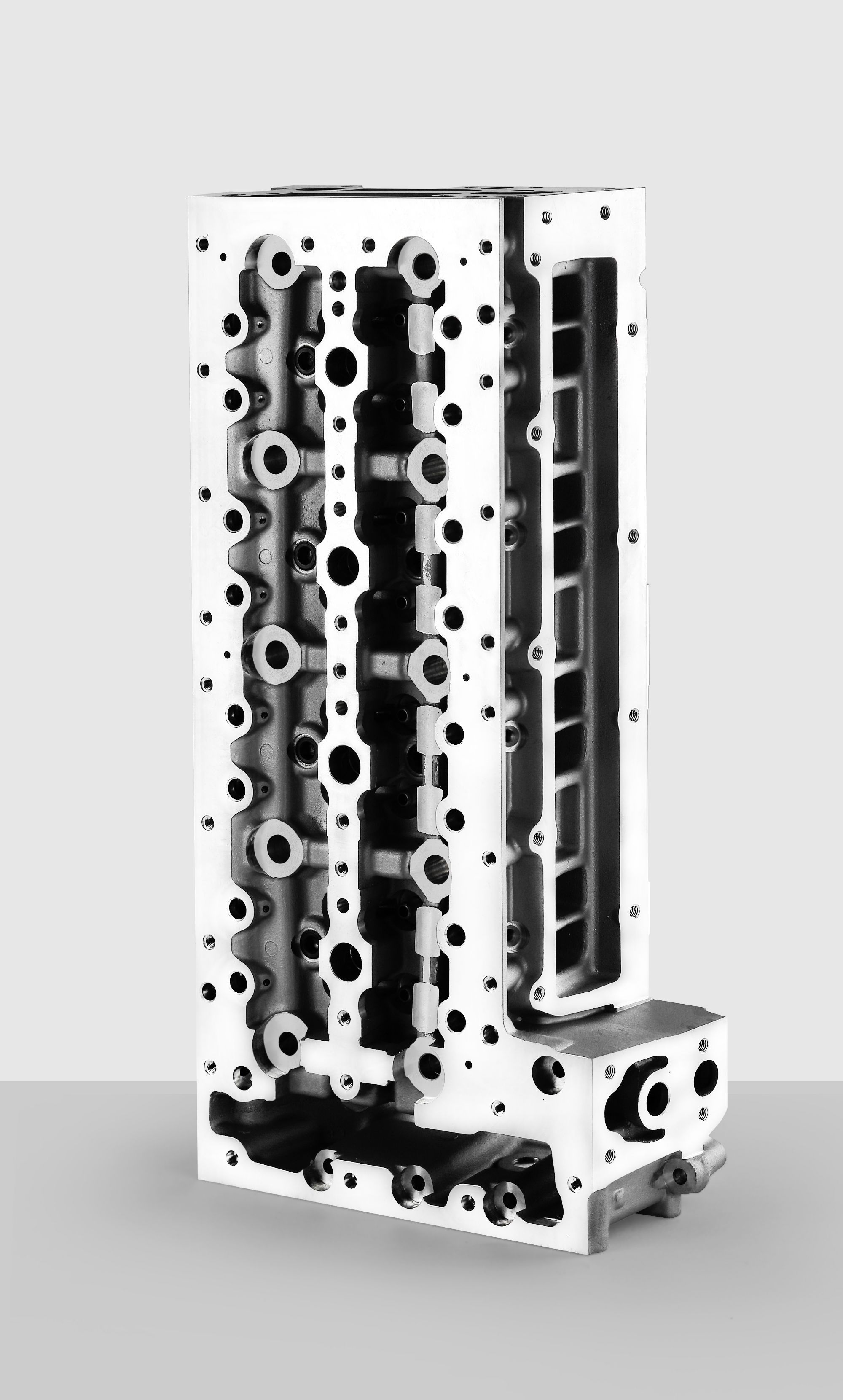
Every element in the chassis and moving parts is engineered to shed unnecessary weight while resisting torsional stress. We rely on forged composites and precision-cast alloys in areas that bear peak loads, so the structure stays rigid without adding bulk. The result is a platform that transfers energy more directly—less flex means more of your input becomes immediate, predictable motion.
Surface treatments and joinery are just as deliberate. Micro-textured contact points and thermally stable bonding agents minimize slip and creep across a wide temperature range. Subtle contouring in the load path isn’t an aesthetic afterthought; it channels strain away from failure points, letting the assembly breathe under cyclic loads without compromising alignment.
Even the fasteners follow a less-is-more philosophy. Flush-mount, single-sided fittings reduce part count and eliminate protruding edges that typically invite drag or accidental loosening. By integrating retention features directly into the profile of the main components, we’ve cut assembly time and created a cleaner silhouette that performs exactly the way it looks.
The Hidden Cost of Non-OEM Cylinder Heads
When a cylinder head fails, the immediate temptation is to grab a bargain non-OEM replacement and get the engine back together. It seems like a straightforward fix—until the head gasket blows six months later because the deck surface wasn't perfectly flat, or a valve seat drops and destroys a piston. These aren't rare horror stories; they're the predictable outcome of cut-rate manufacturing that skips critical steps like proper heat treatment, precision machining, and thorough quality control. The real expense isn't the part itself, it's the labor to install it twice, the downtime you can't afford, and the collateral damage that turns a head swap into a full rebuild.
Non-OEM cylinder heads often start with lower-grade aluminum alloys that warp under normal operating temperatures, leading to compression loss and coolant leaks long before any OEM part would show wear. The ports may look right on the outside, but inconsistent casting cores can leave rough internal surfaces that disrupt airflow, robbing power and fuel economy. Bolt holes can be slightly off-location, forcing misalignment that stresses the entire assembly. Every shortcut taken to hit a price point becomes a liability once the engine sees real heat cycles and cylinder pressure. Over time, this adds up to more frequent teardowns, more replacement parts, and a nagging sense that you're constantly chasing problems that never existed with the original component.
Factor in the hidden hours: the time spent diagnosing a mystery misfire traced back to a poorly finished valve guide, the extra gaskets and fasteners ruined when the second install becomes necessary, and the wasted coolant that keeps disappearing without a visible leak because the new head is already cracked in a water jacket. Then there's the intangible cost of uncertainty—can you trust the vehicle on a long trip? Will it survive a heavy load? An OEM head might cost more upfront, but it restores the engine to its designed reliability, giving you a single installation and years of trouble-free service instead of a revolving door of repairs that slowly drains your wallet and your patience.
Installation Best Practices to Avoid Premature Failure
A methodical approach to installation is the first line of defense against early component breakdown. Begin by thoroughly reviewing the manufacturer's guidelines and verifying that the environmental conditions—temperature, humidity, and exposure to contaminants—match the equipment's specifications. Even subtle mismatches can accelerate wear, so double-check mounting surface flatness, torque values, and alignment tolerances. Rushing through this phase often introduces stress points that lead to cracks, leaks, or electrical faults down the line.
The human element cannot be overlooked. Technicians should be trained on the specific product, not just general procedures. This reduces the likelihood of errors like overtightened bolts, misrouted cables, or improper lubrication. Use calibrated tools for all critical fasteners, and document the installation with photos and checklists. When possible, perform a dry run without power to confirm mechanical freedom before energizing. These steps help catch issues while they are still cheap to fix.
Post-installation testing validates the work and reveals hidden defects. Run the system under incremental loads while monitoring vibration, temperature, and noise. Record baseline readings for future comparison. If anything deviates from expected performance, stop and investigate immediately. A failure caught during commissioning is a lesson; a failure in the field is a liability. Embedding these habits into your team's routine creates a culture where premature failure is the exception, not the rule.
Real-World Performance Gains with OEM Cylinder Heads
Swapping to factory-engineered cylinder heads often unlocks hidden potential without the guesswork of aftermarket tuning. Daily drivers and weekend racers alike notice sharper throttle response and a broader torque curve, especially when paired with a well-matched intake and exhaust. The OEM design accounts for thermal expansion and port velocity in ways that generic performance heads sometimes overlook, resulting in consistent power delivery across all RPM ranges.
Durability is another practical advantage. These heads undergo extensive validation to handle everything from stop-and-go traffic to sustained high-speed cruising. By maintaining exact combustion chamber volumes and valve seat integrity over tens of thousands of miles, they keep fuel efficiency stable and emissions in check, which matters for anyone concerned with long-term reliability over peak horsepower figures.
What really surprises many drivers is the seamless integration with existing engine management systems. No need for piggyback controllers or custom maps to correct air-fuel ratios—the OEM calibration adapts smoothly, minimizing the risk of detonation and lean conditions that can plague more aggressive head swaps. This plug-and-play nature makes the upgrade accessible even for those who want a noticeable bump in driveability without a steep tuning learning curve.
Simple Maintenance Habits to Extend Cylinder Head Life
Keeping your cylinder head in good shape doesn't have to be complicated. A consistent routine of checking and changing your coolant is one of the easiest ways to avoid overheating and internal corrosion. Over time, old coolant loses its protective properties and becomes acidic, slowly eating away at metal surfaces. If you notice the coolant level dropping more often than usual, it’s wise to inspect for small leaks around the head gasket or thermostat housing before they turn into bigger problems.
Another habit that pays off is letting the engine warm up gently before pushing it hard. Sudden temperature changes put unnecessary stress on the cylinder head, which can lead to cracks, especially in aluminum designs. A minute or two of low-load driving gives the metal time to expand evenly. Paired with regular oil changes using the correct viscosity, you reduce friction and carbon buildup on valve seats, keeping compression steady and valves sealing properly.
Don’t overlook the little things like spark plug maintenance. Tightening plugs to the specified torque and replacing worn ignition components on schedule prevents detonation and misfires that hammer the head and valves. A clean air filter also plays a role—if it gets clogged, the engine runs richer, leaving soot deposits that can affect valve operation. By folding these simple steps into your normal upkeep, you’ll help the cylinder head last far longer than you might expect.
FAQ
An OEM cylinder head is manufactured by the vehicle's original maker or its authorized supplier, ensuring exact specifications, material quality, and fit. Unlike aftermarket heads that may use generic designs, OEM parts match the original tolerances, combustion chamber volumes, and port shapes, which are critical for consistent engine performance and longevity.
The cylinder head houses the valves, spark plugs, and part of the combustion chamber. Its design directly affects airflow efficiency, compression ratio, and heat dissipation. A precisely engineered OEM head ensures optimal mixture burn, minimizes hot spots, and maintains structural integrity under extreme thermal and mechanical stress, preventing premature failure.
Look out for engine overheating, coolant loss without external leaks, white smoke from the exhaust (indicating coolant entering the chambers), misfires, or a noticeable drop in power. Oil contamination in the coolant or vice versa often points to head gasket failure, which can warp or crack the head if not addressed promptly.
While some aftermarket heads are priced lower, they often lack the rigorous testing and material consistency of OEM parts. Variations in casting density, valve seat hardness, or cooling passage accuracy can lead to uneven wear, reduced lifespan, and performance inconsistencies, especially in demanding driving conditions. OEM remains the safest bet for reliability.
Always check the head and block deck for flatness, use new OEM head gaskets and bolts (torque-to-yield bolts must be replaced), and follow the exact torque sequence and specifications. Clean all mating surfaces meticulously, and ensure the cooling system is flushed. After installation, perform a proper break-in and re-torque if specified by the manufacturer.
Their precise combustion chamber geometry and valve timing promote complete fuel burn, reducing waste and hydrocarbon emissions. The accurate port dimensions optimize airflow velocity, improving volumetric efficiency across the rev range. This fine tuning helps the engine run cleaner and use fuel more effectively compared to ill-fitting alternatives.
A properly refurbished OEM head by a reputable shop can be a cost-effective alternative. Look for ones pressure-tested, resurfaced, and with new valve seats, guides, and seals. However, if the head has severe cracking or previous welding repairs, a new OEM unit is advisable to avoid repeat failures and ensure full durability.
Regular coolant exchanges prevent corrosion and scaling that can block heat transfer, while timely oil changes avoid sludge buildup that impairs valve train lubrication. Never ignore overheating warnings, and address intake or exhaust leaks promptly. Using the correct fuel grade prevents abnormal combustion that can erode head surfaces over time.
Conclusion
Original equipment manufacturer cylinder heads are engineered to precise factory tolerances using high-grade alloys that resist thermal fatigue far better than generic alternatives. The proprietary casting processes create uniform grain structures in the aluminum or cast iron, which directly impacts heat dissipation and structural integrity under extreme combustion pressures. Unlike non-OEM parts that often rely on copied designs without the full material specifications, genuine heads maintain the exact combustion chamber volume and port geometry needed for consistent air-fuel mixing. This precision prevents hot spots that lead to pre-ignition and gradual head gasket erosion, two factors that silently shorten engine life even when a vehicle seems to run fine for the first few thousand miles.
Beyond metallurgy, OEM heads integrate subtle reinforcements around valve seats and coolant passages that aftermarket versions frequently omit to cut costs. These design details become critical during cold starts and high-load operation, where thin-walled castings can crack without warning. Installation meanwhile requires meticulous cleaning of deck surfaces and adherence to torque sequences specified by the manufacturer—skipping these steps invites warpage and premature gasket failure regardless of part quality. Owners who pair a genuine head with simple habits like regular coolant flushes and prompt attention to overheating episodes typically see compression stay within spec well past 150,000 miles. The initial price premium over imitation castings pales next to the labor and downtime involved in redoing a botched head job, making OEM the clear path to reliable long-term performance without hidden compromises.
Contact Us
Contact Person: Shelly
Email: [email protected]
Tel/WhatsApp: 8613967667688
Website: https://www.yongyu.com/