

Preserved Flower Gift Box How to Decide Which One Is Good
2026-09-28
Choosing a preserved flower gift box isn’t just about picking the prettiest arrangement—it’s about finding the one that actually lasts, matches the occasion, and feels personal. With so many options out there, how do you know which one is truly good? From bloom quality and color balance to box design and longevity, there are a few key signs that separate a stunning keepsake from a forgettable box. At PHLEEYA, we’ve seen what makes a preserved flower gift box stand out, and we’re sharing the practical checks you should make before you buy. Ready to avoid the common mistakes and choose a box that genuinely impresses? Let’s break it down.
What a Real Preserved Rose Should Feel Like
A genuine preserved rose still carries a whisper of its living texture. When you run a fingertip across the petals, they should feel soft and slightly pliable, not crisp like dried flowers or slick like silk imitations. There’s a faint coolness at first touch, followed by the gentle give of petals that have kept their natural moisture balance. The surface isn’t uniformly smooth — you may notice the fine, almost invisible creases and subtle irregularities that fresh petals have.
The weight offers another clue. A real preserved rose has a subtle density in the bloom; it doesn’t feel hollow or featherlight. The outer petals might be a touch firmer while the inner layers remain tender, and if you cup the bloom in your palm, it should hold its shape without feeling rigid. The stem and leaves, when present, retain a muted version of their original suppleness rather than snapping at the slightest bend.
How to Spot a Weak or Leaky Gift Box Seal
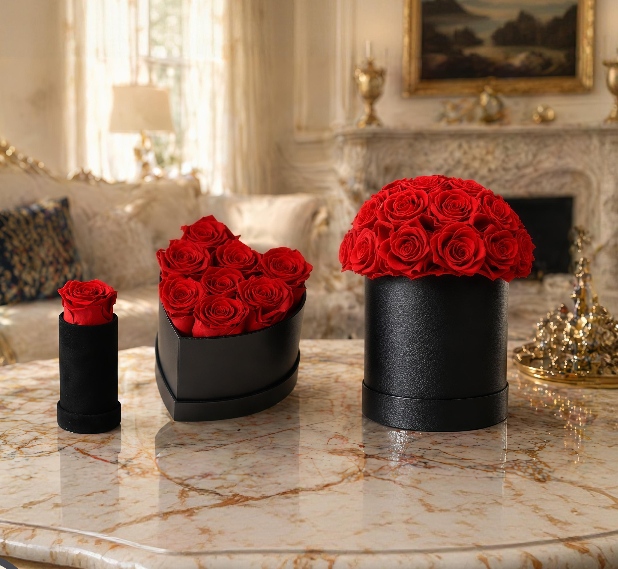
A weak seal often shows itself before you even lift the lid. Run a fingertip along the edge where the box meets its cover—if the tape has lifted at the corners or the paper has puckered, there's a good chance air has been getting in. On magnetic or ribbon-closure boxes, pay attention to whether the magnet still snaps firmly or the ribbon sits loose; that slack is usually a sign the box has been opened or the lid no longer sits flush.
Another tell is sound and movement. Gently hold the box at chest height and tilt it side to side. If the lid shifts, breathes, or makes a soft scraping noise against the base, the seal isn't holding a consistent gap. For boxes with cellophane or shrink wrap, look for hazy patches or tiny tears near the seams—those are entry points for moisture, and once the wrap is compromised, the box inside is rarely far behind.
Finally, trust your nose. A properly sealed gift box has a neutral or faintly sweet smell from its materials. If you catch a musty, damp, or cardboard-stale odor when you bring it close, the seal has likely failed at some point. In those cases, it's smarter to replace the box or add a fresh inner wrap before you place anything inside.
Why Stem Wiring Tells You More Than Petals Do
Petal color fades within days of opening, but the arrangement of vascular bundles in a stem remains legible long after flowers drop. Those strands of xylem and phloem record how a plant coped with drought, pest pressure, or lopsided light. A thick, evenly spaced ring often points to steady resource flow; scattered or pinched bundles suggest interrupted development that a bloom would never reveal on its own.
Stem wiring also exposes compromises petals actively hide. When a plant reallocates energy toward reproduction, petals may look flawless while the stem's transport tissue thins or becomes woody in patches. That mismatch is useful in the field: a florist can judge vase life, a gardener can spot pending collapse, and a botanist can infer which stress struck weeks before any visible symptom appeared above ground.
Perhaps most telling is how the stem's internal geometry shifts with age. Petals are temporary billboards, but a stem keeps a chronological archive of growth rings, callose deposits, and repaired fractures. Reading those lines is closer to reading a weather log than admiring a costume change.
The Color Bleed Test You Can Do Before Buying
Grab a white cotton cloth or even a plain paper towel, dampen it slightly, and rub it against a hidden seam or hem of the garment. If any dye transfers onto the white material, that piece will likely bleed in the wash and stain other clothes.
For a more thorough check, fill a small bowl with cool water and add a drop of mild detergent. Submerge a corner of the fabric for ten to fifteen minutes, then press it between two white cloths. The water taking on color or the cloth picking up dye means you'll need to wash that item separately or treat it with a color fixative before mixing it with your regular laundry.
Don't skip this test on bright reds, deep blues, or hand-dyed pieces, since those are the usual culprits. It takes less than a minute with the rubbing method and can save you from a laundry disaster later.
Arrangement Balance: Filler, Focal Flowers, and Negative Space
Think of balance as a conversation rather than a formula. Filler stems—like wax flower, bupleurum, or panicle hydrangea—work best when they gather around the focal bloom instead of evenly lining the vase. That slight unevenness gives the piece a natural tension.
The focal flower sets the tone. A blown garden rose, a single ranunculus, or a sculptural protea needs room to be read against its neighbors. If filler crowds too close, the focal loses its edge; if it stands too alone, the arrangement turns static.
Negative space should feel intentional, not empty. A visible stretch of stem, a shadowed gap between two clusters, or air around a curved branch lets each element keep its own shape. When every inch is filled, the eye has nowhere to settle.
Size-to-Price Ratio: Getting More Than Just a Big Box
Bigger isn't always better, but when the math works out, it can feel like a small victory at the checkout. The real trick lies in comparing the price per unit rather than the sticker shock of a larger package. A jumbo box of cereal might look impressive on the shelf, yet the cost per serving can occasionally match the smaller bag once you factor in how much actually gets eaten before it goes stale.
That said, size-to-price ratios reward shoppers who know their habits. If you go through laundry detergent quickly, opting for the largest container often trims the per-load cost significantly. On the flip side, buying a five-pound tub of mayonnaise just because the ounce price is lower makes little sense if half of it ends up in the trash. Storage space matters too—a cramped pantry filled with bulky bargains can turn savings into clutter.
So the next time a giant pack catches your eye, do a quick mental division. Compare the unit price, consider the shelf life, and be honest about consumption. Getting more than just a big box means walking away with a deal that fits your actual life, not just your shopping cart.
FAQ
Start with the flowers themselves. Real preserved roses should feel soft, not brittle, and the petals should look evenly colored without brown edges. If it looks too plastic or shiny, it's probably low quality.
Yes. A sturdy box with a soft interior lining protects the stems and keeps the arrangement from shifting. Thin cardboard or flimsy lids often mean the gift won't hold up well over time.
Check if the dye job is consistent. Uneven patches or color bleeding onto the stems or foam are signs the preservation was rushed. Good brands use colorfast dyes that won't fade quickly in indirect light.
Think about where it will be displayed. A compact single-rose box suits a desk or nightstand, while a larger multi-stem arrangement works better as a centerpiece. Size should match the space, not just the price.
Look for balance and depth. The flowers shouldn't be crammed together or leave big empty gaps. A good designer layers heights and angles so it looks natural from every side, even under a lid.
It is if you want to see the gift without opening it. High-quality boxes use clear, scratch-resistant panels that don't warp. A cloudy or wavy lid will ruin the first impression.
Ask about the preservation process or check the brand's details. Flowers that are properly dehydrated and sealed can keep their look for a year or more, while poor ones may droop or shed within weeks.
Most preserved flowers are unscented because the natural scent doesn't survive the process. If a box has a strong perfume smell, it might be masking chemicals or low-grade materials, so be cautious.
Conclusion
A preserved rose that feels papery, overly brittle, or slick with residue often signals cheap preservation or a rushed drying process. Genuine quality flowers keep a soft, slightly supple texture while holding their shape, and they shouldn't shed petals when lightly touched. The real test, however, starts before you even see the rose: run a fingertip along the edge of the gift box's seal. A weak or uneven seal lets air and moisture creep in, which turns a supposedly eternal rose brown within weeks. Press gently on the lid after closing—if there's any give or a faint click that doesn't lock firm, the box won't protect the flower. Look past the petals, too. The stem wiring underneath should be clean, tightly wrapped, and anchored into the base. Loose, rusty, or exposed wire is a shortcut that makes the rose wobble and shift over time, ruining the arrangement.
A color bleed test takes seconds: dab a white tissue against the petals and the inner lining. If dye transfers, the rose was recolored after preservation and will stain the box or fade unevenly. Then step back and judge the whole piece. Filler flowers, greenery, and focal blooms need breathing room—crowded arrangements hide flaws, while too much negative space makes the gift feel empty. Balance the visual weight without letting any single element dominate unless that's the clear intent. Finally, forget the size of the box and compare the actual flower head count, stem length, and filler density to the price. A huge box with three tiny roses and a pile of excelsior is less valuable than a compact design with two full, well-wired stems. Good preserved flower gifts earn their cost through careful construction, not inflated packaging.
Contact Us
Contact Person: Mr. Luo
Email: [email protected]
Tel/WhatsApp: 86 18100895505
Website: https://www.feiliyaflowers.com/en/