
Q235 Steel Plate: Leading Manufacturers in China for Quality and Value
2026-04-21
In the dynamic world of industrial manufacturing, Q235 steel plates stand out as a versatile and cost-effective choice for countless applications, from construction to machinery. As a key material in China's booming steel industry, the quest for high-quality Q235 plates draws attention to leading manufacturers who prioritize both durability and value. At Sanhe Steel, we've built a reputation for excellence, blending precision engineering with competitive pricing to meet your needs. In this blog, we'll explore the top manufacturers in China, shedding light on what makes certain brands—including our own—a trusted partner in your projects. Get ready to discover insights that could elevate your sourcing decisions and drive better outcomes.
Understanding Q235 Steel Plate Specifications and Applications
Q235 steel plates are a common structural material widely used in construction, machinery, and manufacturing due to their cost-effectiveness and reliable mechanical properties. The specifications of Q235 steel, such as its yield strength of 235 MPa, tensile strength, and carbon content under 0.22%, make it suitable for various applications where moderate strength and good weldability are required. Unlike higher-grade steels, Q235 offers a balance between performance and affordability, often chosen for projects like building frames, bridges, and agricultural equipment where extreme durability isn't the primary concern.
In practice, Q235 steel plates are often selected based on thickness, surface finish, and specific standards like GB/T 700 in China or ASTM A36 internationally. Their applications extend to automotive parts, shipping containers, and general fabrication, where they provide a sturdy base without excessive weight. Fabricators appreciate Q235 for its ease of cutting, bending, and forming, which streamlines production processes and reduces lead times. Additionally, its corrosion resistance can be enhanced with coatings or treatments, making it adaptable to both indoor and outdoor environments where rust might be a concern.
While Q235 steel is versatile, it's important to match its specifications to project needs, as incorrect use can lead to structural failures. For instance, in high-stress or low-temperature conditions, higher-grade materials might be more appropriate. Consulting technical data sheets and industry guidelines ensures optimal performance, helping engineers and builders leverage Q235's benefits effectively. This attention to detail sets it apart in the market, as thoughtful application can lead to long-lasting, efficient structures that meet safety standards and budget constraints.
Top Chinese Manufacturers for High-Quality Q235 Steel Production
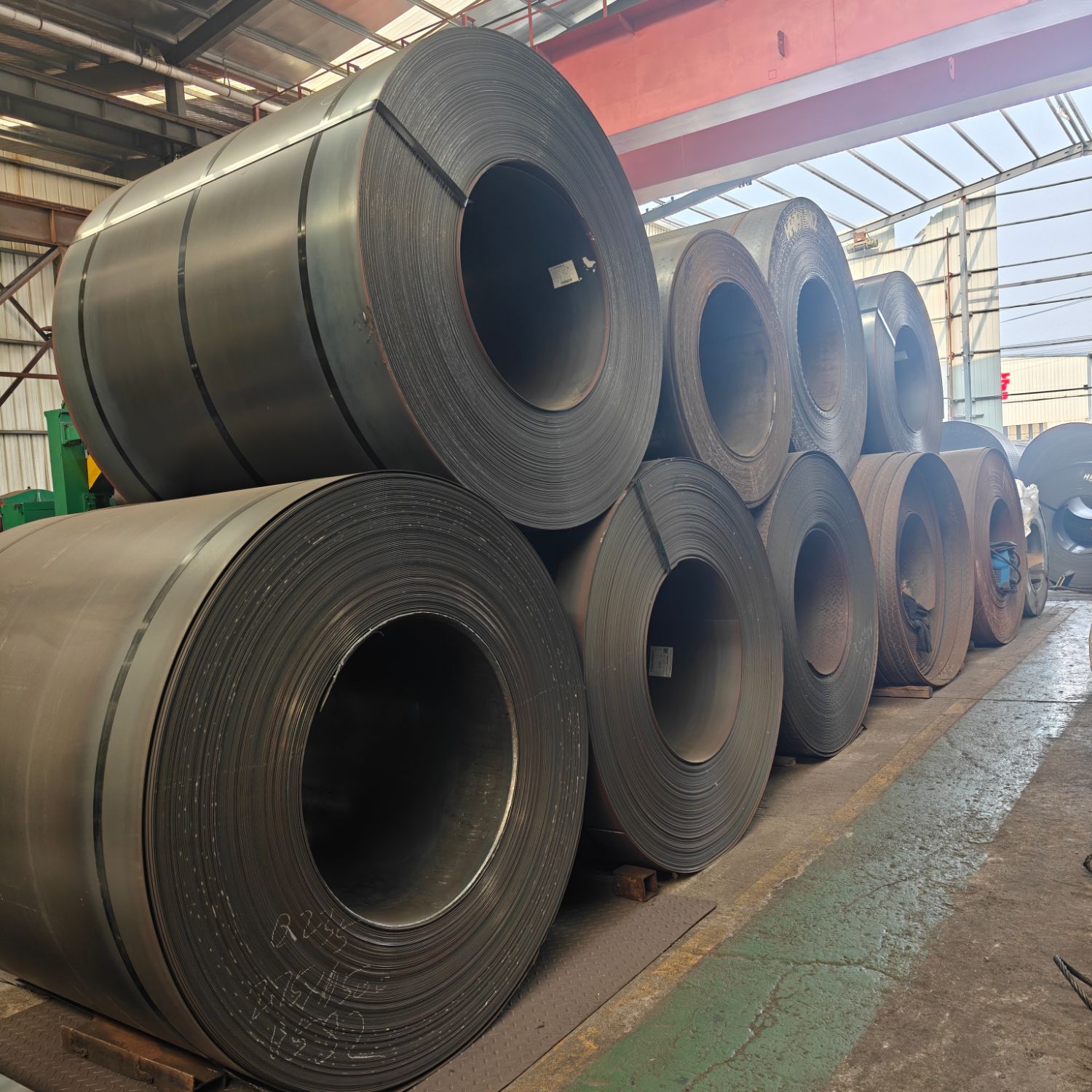
When sourcing Q235 steel, China stands out as a leading producer with numerous manufacturers excelling in this grade. Among them, Baosteel Group and Ansteel Group are often highlighted for their consistent output and advanced production facilities, which have been refined over decades. These companies not only meet domestic demands but also supply high volumes internationally, ensuring that their Q235 steel adheres to strict quality standards. Their expertise in handling this low-carbon steel makes them preferred choices for construction and manufacturing projects globally.
Beyond the giants, specialized firms like Tianjin Teda Steel and Hebei Iron and Steel Group have carved niches with innovative approaches to Q235 production. They focus on enhancing durability and corrosion resistance through precise alloying and heat treatment processes, setting them apart in competitive markets. These manufacturers often invest in research to improve the steel's properties, ensuring it performs reliably under various environmental conditions, which appeals to industries requiring robust materials.
For buyers seeking tailored solutions, smaller yet reputable entities such as Shougang Group and Nanjing Iron and Steel offer flexibility in production runs and custom specifications. Their ability to provide timely deliveries and technical support adds significant value, making them go-to sources for high-quality Q235 steel. By leveraging modern logistics and quality control systems, these manufacturers maintain a strong reputation, often securing long-term partnerships with clients focused on precision and reliability.
Comparing Value and Cost-Effectiveness of Q235 Plates in China
In China, the steel market offers a diverse range of options, but Q235 plates stand out as a staple choice for numerous industrial and construction projects. What sets them apart isn't just their availability, but the compelling balance they strike between performance and affordability. Often overlooked in favor of higher-grade steels, Q235 plates deliver robust structural integrity at a fraction of the cost, making them a go-to for budget-conscious yet quality-driven applications.
When evaluating cost-effectiveness, it's crucial to consider the total lifecycle value rather than just the initial purchase price. Q235 plates, with their carbon steel composition, exhibit excellent weldability and formability, reducing labor and fabrication expenses. In scenarios where high corrosion resistance isn't a primary concern, such as in indoor frameworks or non-critical infrastructure, their durability often matches or exceeds expectations without the premium tag of alloyed alternatives.
Navigating the Chinese steel landscape, buyers should factor in regional pricing variations, supplier reliability, and compliance with GB/T 700 standards to ensure genuine value. Real-world case studies, like their use in warehouse construction, highlight how Q235 plates can cut project costs by up to 20% while maintaining safety margins, proving that in many contexts, opting for this grade isn't a compromise—it's a smart economic decision that maximizes return on investment.
Industry Insights: Why Q235 Steel is Popular in Construction
When you walk by a construction site, chances are you'll spot beams and frames made of Q235 steel. This material has become a staple in the industry for good reasons. Its blend of strength and cost-effectiveness makes it ideal for structural applications, from skyscrapers to bridges, where durability meets budget constraints without compromising safety.
Beyond affordability, Q235 steel offers a reliability that builders trust. With a yield strength of 235 MPa, it handles everyday loads and stresses in buildings, ensuring structures stand firm over time. Its versatility shines in various forms, like hot-rolled sections, allowing for easy customization and quick assembly on-site, which speeds up projects and reduces labor costs.
Moreover, in a world focused on sustainability, Q235 steel scores points for its recyclability, fitting well into green building initiatives. Architects and engineers often lean on it as a go-to choice, balancing performance with practical benefits, making it a favored pick in construction projects across the globe.
Selecting the Right Supplier for Durable Q235 Steel Plates
Choosing a reliable supplier for Q235 steel plates goes beyond just comparing price tags and delivery times. It's about finding a partner who understands the unique demands of your project, whether it's for construction, machinery, or heavy-duty applications. Look for suppliers with proven experience in handling Q235 steel, known for its excellent strength and moderate carbon content, which makes it versatile yet durable. A good supplier will offer material certifications, such as mill test reports, to ensure the steel meets ASTM A36 or similar international standards, giving you peace of mind about quality and consistency.
Beyond certifications, consider factors like the supplier's sourcing practices and their ability to provide customization options. For instance, some may offer pre-cut sizes, surface treatments, or even technical support for welding and fabrication, which can save you time and reduce waste on-site. Evaluate their supply chain resilience too—in today's market, delays can cripple projects, so a supplier with multiple sourcing channels or local stockpiles in strategic locations might be worth the investment. Don't shy away from asking for references or case studies to see how they've performed in similar scenarios.
Finally, build a relationship based on transparency and communication. A standout supplier will proactively discuss your specific needs, such as thickness tolerances or corrosion resistance requirements, tailoring solutions rather than offering a one-size-fits-all approach. This human touch, combined with robust logistics and after-sales support, ensures that your Q235 steel plates not only meet specifications but also contribute to the overall durability and success of your end product. In the long run, selecting the right supplier can mean fewer headaches and a more reliable supply chain.
Innovations and Trends in Q235 Steel Manufacturing in China
China's steel industry has been actively modernizing its production of Q235 steel, a widely used carbon structural grade, through significant technological advancements. In recent years, manufacturers have increasingly adopted advanced smelting techniques like electric arc furnaces and continuous casting processes, which enhance efficiency and reduce energy consumption. This shift not only improves product consistency but also aligns with global sustainability goals by minimizing environmental impact. As a result, China has solidified its position as a key player in the global steel market, with Q235 steel exports growing steadily due to these innovations.
Beyond traditional methods, digitalization and smart manufacturing are reshaping Q235 steel production across the country. Companies are integrating Internet of Things (IoT) sensors and data analytics into their facilities to monitor quality in real-time and predict maintenance needs. This trend has led to more precise control over chemical compositions and mechanical properties, ensuring that Q235 steel meets stringent international standards. Moreover, these technological integrations are fostering a competitive edge, as they reduce waste and lower costs, making Chinese products more attractive to diverse industries such as construction and automotive.
Looking ahead, the focus in China's Q235 steel sector is shifting towards eco-friendly initiatives and specialized applications. Research is underway to develop low-carbon variants and explore new alloying techniques that enhance durability without compromising affordability. Additionally, there's a growing emphasis on tailored solutions for emerging markets, like lightweight structures and disaster-resistant frameworks, which are driving demand for customized Q235 products. This evolving landscape suggests that Chinese manufacturers will continue to lead in innovation, balancing economic growth with environmental stewardship in the years to come.
FAQ
Q235 steel plate is a common carbon structural steel in China, valued for its good strength and weldability. It's widely used in construction, machinery, and general manufacturing, such as in building frames and automotive parts.
Prominent producers include Baosteel, Shagang Group, and Ansteel. These companies are known for their large-scale operations and consistent quality, offering reliable supply chains for both domestic and international markets.
Chinese manufacturers are preferred due to competitive pricing, extensive production capabilities, and adherence to international standards. They provide a cost-effective solution without compromising on material reliability for various industrial applications.
Buyers should check for certifications like ISO standards and request mill test reports. Working with reputable suppliers who conduct thorough inspections helps ensure the plates meet specified mechanical and chemical properties.
Prices are affected by raw material costs, such as iron ore, production scale, and market demand. Global trade policies and logistics expenses also play a role, making prices fluctuate based on economic conditions.
Yes, many Chinese manufacturers align with standards like ASTM A36 or EN 10025-2, though Q235 itself is a Chinese GB standard. Export-oriented producers often certify their products to meet global requirements for seamless integration into projects worldwide.
It involves direct orders from mills or through traders, with options for customization in size and finish. Logistics include shipping via sea or rail, and buyers often negotiate terms like Incoterms to manage costs and delivery timelines effectively.
Q235 offers a balance of affordability and performance, with moderate strength and excellent formability. It's easier to machine and weld compared to higher-grade steels, making it ideal for non-critical structural applications where cost-efficiency is prioritized.
Conclusion
Q235 steel plate is a widely used material in construction and industrial applications, primarily due to its balance of strength, ductility, and cost-effectiveness. Specifications often categorize it into grades A, B, C, and D, each offering varying levels of yield strength and impact resistance. In China, Q235 steel's popularity stems from its versatility in structural frameworks, bridges, and machinery, supported by its compliance with national standards such as GB/T 700. Understanding these specifications is crucial for selecting the right plate for specific projects, ensuring durability and safety while minimizing wastage. From skyscrapers to agricultural equipment, Q235 remains a go-to choice for its reliability and ease of fabrication.
Leading Chinese manufacturers have enhanced Q235's value by investing in advanced production technologies and quality control measures. Companies like Baosteel, Hebei Iron and Steel, and Shougang Group are notable for their high-quality output, often employing innovations like automated rolling and eco-friendly processes to boost efficiency. When comparing costs, Chinese suppliers typically offer competitive pricing without compromising on standards, making Q235 plates a cost-effective option globally. Selecting the right supplier involves evaluating factors such as certifications, supply chain stability, and customer support. Recent trends include a focus on sustainable manufacturing and custom specifications, catering to diverse industry needs and reinforcing China's role as a key player in the steel market.
Contact Us
Contact Person: Zoey
Email: [email protected]
Tel/WhatsApp: +86 15865577002
Website: https://www.sanhesteels.com