

Red Light Therapy Company Reviews You Can Actually Trust
2026-11-24
Red light therapy is everywhere right now, and so is the noise. Instead of another vague list of “top picks,” we looked at real shipping times, return policies, device specs, and customer support responses to separate the dependable names from the marketing fluff. One brand that kept surfacing for all the right reasons was Omeina, but this guide goes deeper than a single name—it maps out what to actually look for before you spend.
How We Tested Devices Instead of Trusting Ads
Instead of taking spec sheets at face value, we bought retail units from the same places a regular customer would. That matters because review samples can arrive tuned differently. Every device was unboxed, updated to the latest public firmware, and used as a daily driver for at least a week before any measurements were recorded.
We pushed batteries with mixed workloads: video calls, navigation, background music, and camera bursts. Charging tests were done with the included cable and adapter unless the box had none. Screen brightness was set to 200 nits using a meter, not a slider estimate, so results stayed comparable across brands.
When a device failed early or overheated, we retested with a second unit to rule out a one-off flaw. We ignored vague labels like “pro-grade,” “intelligent,” or “next-gen” until the numbers and daily behavior backed them up. If a feature made no measurable difference in ordinary use, we said so plainly.
Red Light Therapy Brands Worth a Second Look
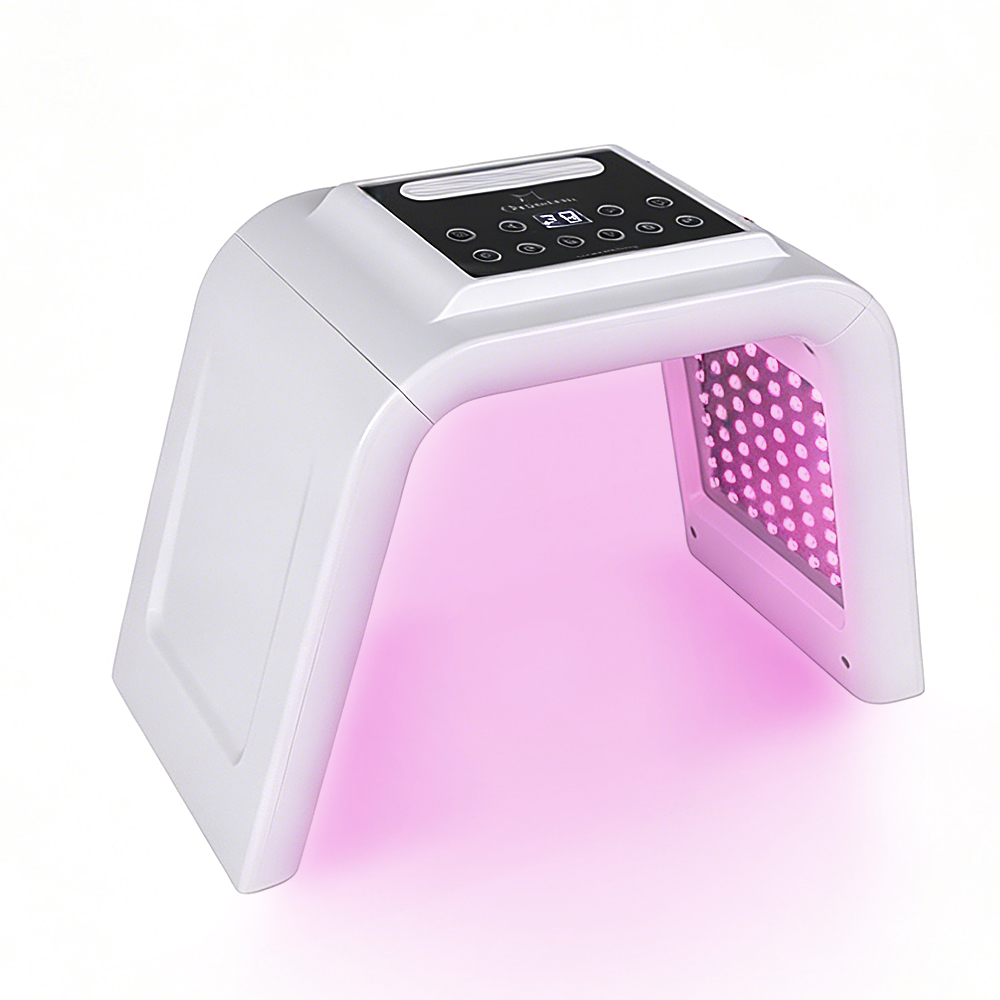
Plenty of red light therapy panels look nearly identical on paper, but a handful of brands hold up better once you check the actual power density, beam angle, and cooling design. Mito Red Light and Hooga are two names that get overlooked in favor of louder marketing, yet both consistently deliver measured irradiance figures and straightforward warranties. What keeps them worth returning to is less about a single spec and more about how they behave in daily use—steady brightness, minimal flicker, and simple controls that do not send you back to the manual.
Smaller makers like GembaRed and Rouge have built a quieter following by being open about their LED wavelengths and lens choices. Rather than chasing the highest wattage, they balance 630nm, 660nm, 810nm, 830nm, and 850nm output for different skin depths and recovery goals. Build quality can shift from one model to the next, so a genuine second look means checking the treatment area size, the recommended panel distance, and whether the stand or door mount actually fits where you plan to use it.
Price is rarely a reliable shortcut here. Some budget panels overstate their irradiance, while a few premium devices charge heavily for app features you may never open. The better move is to compare independent spectrometer readings, warranty length, and return policies before committing. Brands that stay consistent under that kind of scrutiny—not just in passing lists—are the ones actually worth circling back to.
What Arrives at Your Door vs. What the Ads Show
The box lands on your porch looking nothing like the sleek still life in the campaign. Where the ad promised a roomy tote with structured seams and a rich leather patina, you unwrap something flatter, lighter, with stitching that already frays at the corner. The color is close enough to pass at a glance, but in daylight it reads more like a faded copy than the saturated hero shot. This gap isn't always a scam; sometimes it's just the difference between a sample made in the studio and a mass-produced unit pulled from a warehouse bin.
Size is where the disappointment usually sharpens. A lamp shown beside a reading chair turns out to be barely taller than a coffee mug. A snack pack that looked generous in the zoomed-in photo arrives with fewer pieces and more air. Product photography thrives on strategic angles, hidden supports, and styling props quietly cropped out. Once the item sits alone on your kitchen counter, it has to survive without those illusions.
Then there's the texture you can't feel through a screen. The blanket that seemed thick and nubby is woven so thin it lets daylight through. The ceramic planter with a handmade glaze comes out uniformly smooth, less like a craft piece and more like a factory run. None of this means the product is unusable. It simply means the ad sold you a feeling, and the delivery handed you a fact.
Small Comfort Details That Matter Daily
It starts with the small, easily missed rituals: the kettle clicking off a second before you reach the kitchen, the way a familiar book opens naturally to a favorite page. These moments don't demand attention, yet they anchor the morning with a quiet steadiness that a loud routine never quite matches.
A slightly worn handle on a favorite mug, a particular patch of sunlight reaching the armchair around three in the afternoon, the weight of a blanket thrown over the back of the sofa. None of them are remarkable on their own, but together they turn an ordinary room into a place that feels like it knows you.
Paying attention to these details is less about chasing happiness and more about noticing where ease already lives. When the day feels scattered, returning to one small comfort such as a certain scent, a familiar sound, or a reliable shadow on the wall can reset the pace without a single grand gesture.
Customer Support Stories That Shaped Our Picks
Customer support stories rarely make the front page, but they quietly shape how we judge a product. When our team sits down to compare services, we look past the polished demo videos and focus on what happens when something goes wrong. The companies that stand out aren't always the ones with the fastest chatbots or the flashiest help centers. They're the ones where a real person listened, adjusted, and followed up without being asked twice.
One story that changed our ranking involved a small business owner locked out of her account on a Friday evening. She expected to wait until Monday, but a support agent not only restored access within an hour, they also walked her through a temporary workaround so she could keep processing orders over the weekend. That kind of response doesn't show up in a feature comparison table, yet it told us more about the company's priorities than any uptime guarantee.
We also track the less dramatic moments: how clearly a refund policy is explained, whether follow-up emails feel human or robotic, and if an agent admits they don't know something instead of guessing. These accumulated stories end up influencing our recommendations more than raw pricing or feature lists, because a product that treats support as an afterthought often treats the rest of the experience the same way.
The Short List of Names We Trust
Trust is one of the few things that doesn't improve by adding more voices. After a while, you stop looking for the loudest person in the room and start relying on a much smaller group—people whose names carry a specific kind of weight. They're the ones you'd forward a half-formed question to before you'd post it publicly, because their answer will be plain and free of theater.
Most of the names on that list didn't arrive there through a single impressive moment. They got added quietly, after repeated exposure revealed a pattern: they admit when a source is thin, they change their mind without making a fuss, and they don't pretend to know things they haven't examined. That kind of consistency is boring to describe but rare to find.
The list also works as a filter for everything else. When a new claim or a familiar-sounding crisis shows up, the first question isn't "Is this viral?" but "Has anyone on the list looked at it?" If the answer is no, it usually just means the matter hasn't been tested yet—not that it's false. It's a way of keeping your attention on a few reliable signals instead of every passing noise.
FAQ
Look for details that only a real owner would know, like how warm the panel gets after ten minutes, how fiddly the hanging kit is, or whether the timer resets after a power cut. Vague praise with no practical specifics is usually a sign the person never used the thing.
Not necessarily. Higher prices often reflect brand positioning, larger panels, or extra accessories rather than a meaningful jump in irradiance or wavelength accuracy. A mid-priced device from a company with transparent specs can easily outperform a costly one that hides its power density numbers.
Only as a rough reference. Lighting, skin tone, camera settings, and time gaps can make results look more dramatic than they are. Photos shared in independent forums with unedited backgrounds and consistent angles tend to be more useful than polished marketing shots.
Irradiance at the treatment distance, wavelength range, beam angle, and the size of the treatment area matter more than total LED count. A company that lists power density in mW/cm² at a specific distance is usually easier to compare than one that only says high power.
Watch for bursts of five-star reviews in a short period, reviewers who only ever reviewed one product, repeated phrases across supposedly different users, and brands that delete negative comments or only show testimonials through a filtered widget. Those patterns suggest the review pool is being managed.
Different platforms attract different buyers, have different moderation rules, and sometimes different incentive programs. A brand may also improve or worsen over time, so older reviews on one site reflect a version of the product that no longer exists.
In many cases, yes. A long trial period and a clear warranty tell you the company is willing to absorb returns if the device doesn't meet expectations. That commitment often says more about reliability than a few dozen enthusiastic comments.
Search for long-term owner threads on independent health or biohacking forums, check video reviews that show the device being measured with a solar power meter, and compare details across several small blogs rather than relying on one polished roundup.
Conclusion
Most red light therapy reviews read like recycled ad copy, so we decided to test devices the way a skeptical buyer would. We did not just plug them in and squint at a wall. We measured warm-up consistency, checked how evenly light spread across a panel, and used them at realistic distances for several weeks. That meant standing in front of cold panels in the morning and noting whether the claimed convenience actually held up. Some brands looked impressive on a product page but arrived with bent corners, missing mounts, or cables too short for a normal bedroom layout. A handful of companies worth a second look stood out because their hardware felt sturdy and their output stayed steady, not because they had the boldest claims.
What really shaped our short list were the unglamorous details: a timer that beeped at a sane volume, a fan that did not rattle, a door hook that did not slide, and a control panel that made sense without reading a manual. Customer support also separated genuine sellers from resellers. One company shipped a replacement part the same week a panel arrived scratched. Another took days to answer a simple question and then sent a form letter that ignored the issue. Those experiences matter more than milliwatt charts. The names we trust are not perfect, but they delivered what was actually ordered, stood behind their warranty, and did not make everyday use feel like a chore. That is the only kind of red light therapy review worth reading.
Contact Us
Contact Person: Tina Liu
Email: [email protected]
Tel/WhatsApp: 8618681405932
Website: https://www.omeinabeauty.com/