

S235JR Steel for Solar: Custom Solutions from Your Trusted Supplier
2026-02-06
In the rapidly evolving solar industry, the materials you choose can make or break your project's success. That's where Energet Solar comes in, offering expertly tailored S235JR steel solutions designed specifically for solar applications. Discover how our high-quality, durable steel can enhance your solar installations and drive efficiency. Let's explore the innovative ways we're helping clients build more sustainable and robust energy systems.
Understanding S235JR Steel's Role in Solar Energy Applications
In the realm of solar energy applications, S235JR steel emerges as a cornerstone material, prized not just for its cost-effectiveness but for its remarkable structural integrity. This mild carbon steel, often overshadowed by more exotic alloys, finds a critical niche in supporting solar panel mounting systems and framing structures. Its balanced composition—boasting a yield strength of 235 MPa—ensures that installations can withstand environmental stresses like wind loads and snow accumulation, common in diverse climates where solar farms thrive. Beyond mere support, S235JR's ease of fabrication allows for swift assembly, reducing installation times and costs, which is paramount in scaling up renewable energy projects efficiently.
What sets S235JR apart in solar applications is its versatility across various components, from ground-mounted racks to rooftop supports. For instance, in large-scale solar parks, this steel forms the backbone of galvanized or painted frameworks that elevate panels for optimal sun exposure, with its non-alloy nature minimizing corrosion risks when properly treated. It's not just about brute strength; the material's weldability and machinability enable designers to create sleek, low-profile structures that blend into landscapes, addressing aesthetic concerns without compromising durability. Moreover, its availability and compliance with European standards make it a go-to choice for international projects, ensuring consistency in safety and performance.
Looking forward, S235JR steel continues to play a pivotal role as solar technology evolves toward more innovative setups like bifacial panels and floating solar arrays. Its adaptability supports lighter-weight designs that reduce material usage while maintaining resilience, contributing to sustainability goals by lowering embodied energy. In essence, while high-tech materials grab headlines, S235JR's humble reliability keeps solar installations grounded, proving that sometimes, the simplest solutions are the most enduring in powering our clean energy future.
Custom Fabrication Techniques for Solar Panel Mounting Systems
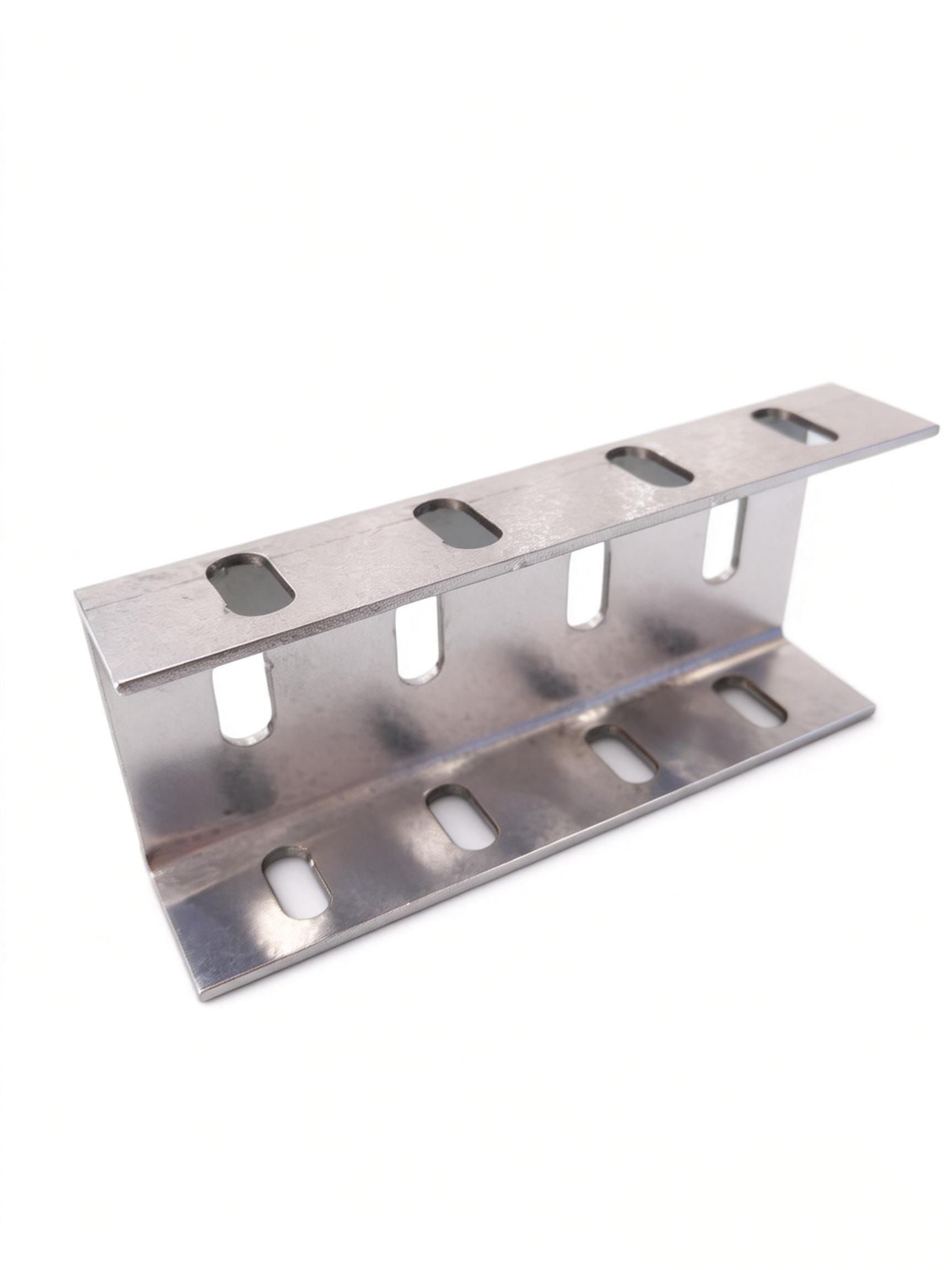
Crafting solar panel mounting systems demands an approach that mirrors the unique landscapes where they will reside. Gone are the days of one-size-fits-all solutions; today's projects call for bespoke fabrication methods that adapt to diverse environments, from sloping hillsides to wind-swept coastal areas. This tailored craftsmanship involves using advanced materials like corrosion-resistant alloys and precision-engineered components, ensuring each structure not only supports panels securely but also withstands local weather challenges. By integrating site-specific data, such as soil stability and solar angles, fabricators can create mounting systems that boost efficiency and extend lifespan, making every installation a testament to thoughtful design.
What sets these techniques apart is their ability to blend innovation with practicality. For instance, modular fabrication allows for on-site adjustments, enabling installers to tweak designs in real-time to fit unexpected terrain features or architectural constraints. This adaptability reduces waste and installation time, while methods like cold-forming steel or digital fabrication with 3D modeling ensure components fit together seamlessly, minimizing gaps and stress points. It's this hands-on, agile approach that transforms standard mounting into a dynamic process, where each weld and bolt is placed with purpose, enhancing both durability and aesthetic integration into the surroundings.
Beyond mere functionality, custom fabrication opens doors to creative applications in solar energy. In urban settings, techniques might involve designing lightweight, low-profile mounts for rooftops with limited load capacity, using materials like aluminum composites for easy handling. In remote areas, robust, easy-to-assemble systems are fabricated to endure harsh conditions without frequent maintenance. By focusing on these nuanced methods, fabricators not only solve installation hurdles but also push the boundaries of solar technology, delivering systems that are as unique as the homes and businesses they power.
Enhancing Durability with S235JR Steel in Harsh Environmental Conditions
In challenging environments where corrosion and stress are constant threats, S235JR steel has become a go-to material for construction and manufacturing. Its durability stems from its specific chemical composition, which includes controlled levels of carbon, manganese, and phosphorus, ensuring reliable performance under harsh conditions.
Unlike some steels that degrade quickly when exposed to moisture or chemicals, S235JR offers enhanced resistance due to its structural integrity and surface treatments. This makes it ideal for outdoor structures, marine applications, and industrial settings where longevity is critical.
By incorporating S235JR steel, projects not only meet safety standards but also reduce maintenance costs over time, providing a sustainable solution for durability in extreme environments.
Collaborative Design Process for Tailored Solar Structure Solutions
We start by diving deep into your unique energy needs and site-specific challenges, bringing together a multidisciplinary team that includes engineers, architects, and project managers right from the outset. This initial phase focuses on open dialogue and thorough analysis to ensure every solar structure is not just a generic installation, but a solution finely tuned to maximize efficiency and integration with your environment. By fostering this collaborative atmosphere early on, we lay the groundwork for designs that are both innovative and practical, avoiding cookie-cutter approaches that often fall short in real-world applications.
Once we have a clear understanding of your goals, our team engages in iterative design sessions where ideas are prototyped and refined through continuous feedback loops. This hands-on process leverages advanced simulation tools and real-time data to model how each solar structure will perform under various conditions, from seasonal weather patterns to specific energy consumption peaks. What sets us apart is our commitment to co-creation with clients, allowing for adjustments on the fly and ensuring that the final design aligns seamlessly with both technical requirements and aesthetic preferences, resulting in a solar solution that feels custom-built rather than off-the-shelf.
The culmination of our collaborative efforts is a tailored solar structure that undergoes rigorous testing and validation before implementation, ensuring durability, scalability, and long-term value. We maintain transparent communication throughout, providing detailed documentation and support to empower you in the transition to sustainable energy. By prioritizing a partnership-based approach, we deliver solutions that not only meet today's energy demands but are also adaptable for future needs, making the entire process a shared journey toward environmental and economic benefits.
Cost-Effective Supply Chains for Large-Scale Solar Installations
Large-scale solar projects thrive when supply chains are streamlined and cost-efficient. By sourcing panels, inverters, and mounting structures from competitive suppliers, developers can slash upfront capital expenditures. Strategic bulk purchasing and partnerships with manufacturers often yield discounts, making it easier to meet budget constraints. Additionally, localizing components where possible reduces shipping costs and tariffs, further trimming overall expenses. This approach not only drives down project costs but also accelerates deployment timelines, ensuring faster returns on investment.
Innovative logistics play a pivotal role in sustaining these supply chains. For example, adopting just-in-time delivery models minimizes inventory holding costs and warehouse needs. Integrating digital tools, such as real-time tracking systems, enhances transparency and reduces delays that could inflate expenses. Moreover, diversifying suppliers across different regions mitigates risks from geopolitical tensions or production bottlenecks. These tactics help maintain a steady flow of materials, preventing costly downtime during installation phases.
Beyond procurement, lifecycle management contributes to long-term affordability. By choosing durable, high-quality components with longer warranties, projects can lower maintenance and replacement outlays over decades of operation. Collaborating with recyclers for end-of-life panel disposal also curbs future environmental fees. In essence, a cost-effective supply chain isn't just about initial savings—it's about building a resilient framework that supports solar installations sustainably, ensuring they remain financially viable well into the future.
Innovative Material Engineering to Boost Solar Infrastructure Efficiency
Researchers are revolutionizing solar panel design by engineering novel materials that significantly enhance light absorption and conversion rates. For instance, perovskite solar cells, with their tunable bandgaps and ease of fabrication, now achieve efficiencies exceeding 25% in lab settings, rivaling traditional silicon-based technologies. Beyond perovskites, advancements in quantum dot materials allow for precise control over light harvesting across different wavelengths, enabling panels to capture more energy from varying sunlight conditions throughout the day.
Another frontier in material innovation focuses on durability and environmental resilience. New coatings incorporating graphene or self-healing polymers protect panels from dust accumulation and moisture-induced degradation, maintaining peak performance in harsh climates. These materials not only extend the lifespan of solar installations but also reduce maintenance costs, making solar energy more viable in regions with extreme weather patterns.
Moreover, lightweight and flexible materials, such as organic photovoltaic films, are enabling solar integration into unconventional surfaces like building facades or vehicles. This expands the potential for decentralized energy generation without compromising structural integrity. As these engineered materials move from laboratory prototypes to commercial-scale production, they promise to lower overall costs and accelerate the adoption of solar infrastructure globally.
FAQ
S235JR steel is chosen for solar applications due to its excellent weldability and formability, making it ideal for constructing frames and supports. Its moderate strength and cost-effectiveness allow for durable yet affordable solar structures, while its availability and compliance with European standards ensure reliability and safety in outdoor environments.
We customize solar solutions by tailoring S235JR steel components to specific project needs, such as adjusting thickness or dimensions for mounting systems. Our expertise includes designing bespoke frames and brackets that optimize panel positioning, ensure structural integrity, and adapt to various terrains, all while maintaining efficiency and longevity.
Choosing a trusted supplier ensures high-quality S235JR steel that meets strict industry standards, reducing risks of defects. With reliable delivery and technical support, we help streamline your project timelines and minimize downtime. Our proven track record in solar applications means you get materials that perform consistently under varying weather conditions.
Key properties include its yield strength of 235 MPa, good impact resistance for durability, and ease of fabrication, which speeds up assembly. The steel's corrosion resistance, especially when coated, helps protect solar installations from environmental elements, ensuring a longer lifespan and reduced maintenance costs in systems exposed to sun and rain.
Yes, S235JR steel is versatile enough for various solar setups, from large-scale ground-mounted arrays to rooftop panels. Its adaptability allows for integration into fixed-tilt or tracking systems, and it can be engineered to handle different load requirements and climatic conditions, making it a go-to material for diverse solar projects worldwide.
We ensure sustainability by sourcing S235JR steel from eco-friendly manufacturers and promoting recycling practices in production. The steel's durability reduces material replacement needs over time, while our custom designs often minimize waste. By enhancing energy efficiency in solar systems, this steel contributes to overall renewable energy goals and lower carbon footprints.
Conclusion
S235JR steel plays a crucial role in solar energy applications as a versatile and reliable material for constructing mounting systems, offering excellent strength and formability. Custom fabrication techniques ensure precise fitting to diverse terrains and panel layouts, while the steel's inherent durability withstands harsh environmental conditions such as extreme temperatures and corrosion, prolonging infrastructure lifespans. Through a collaborative design process, suppliers work closely with clients to develop tailored solar structure solutions that optimize performance and safety, integrating innovative material engineering to enhance efficiency by reducing weight and improving load-bearing capacities, ultimately supporting sustainable energy goals with robust and adaptable frameworks.
Cost-effective supply chains enable large-scale solar installations by streamlining logistics and minimizing delays, making S235JR steel an economical choice for expansive projects. This focus on efficiency not only reduces overall expenses but also boosts the viability of solar energy adoption worldwide. By leveraging custom solutions from trusted suppliers, stakeholders can access innovative designs that maximize output while ensuring long-term reliability, fostering a resilient and forward-thinking approach to solar infrastructure that adapts to evolving technological and environmental demands, thus driving progress in renewable energy sectors with practical and strategic material applications.
Contact Us
Contact Person: Simon
Email: [email protected]
Tel/WhatsApp: 8613672181100
Website: https://energetsolar.com/