

Top 10 Oil-Free Air Compressors That Deliver Quiet, Clean Air
2026-08-10
Tired of noisy compressors ruining your workspace—and your air quality? Oil-free air compressors are the modern solution, but finding one that’s genuinely quiet and delivers truly clean air can feel like a wild goose chase. That’s why we put the top 10 models to the test, evaluating everything from decibel levels to long-term reliability. Whether you’re a DIY enthusiast or a pro in need of dependable performance, you’ll want a compressor that works as effortlessly as the rest of your tools. And if you’re after premium efficiency with a whisper-quiet design, Seize Air might just have the edge you’ve been missing. Dive in to see which oil-free compressor earns a permanent spot in your shop.
Understanding the Shift to Oil-Free Compression Technology
The move toward oil-free compression didn't happen overnight — it grew out of a quiet frustration with the limitations of lubricated systems. For years, industries like food processing, pharmaceuticals, and electronics manufacturing dealt with the constant risk of oil carryover contaminating products or damaging sensitive equipment. Even with advanced filtration, tiny oil aerosols could slip through and cause defects, recalls, or regulatory headaches. That persistent pressure to improve purity and reduce maintenance eventually pushed engineers to rethink the very core of compressor design.
At the heart of this shift is a simple but powerful realization: what you remove from the system is just as important as what you put into it. By eliminating oil from the compression chamber entirely — through advanced coatings, water-based lubrication, or dry-running materials — manufacturers found they could deliver air that's inherently cleaner, without the need for extensive downstream filtration. The trade-off used to be a compromise in durability or efficiency, but newer materials and precision engineering have closed that gap, making oil-free machines viable for far more than just niche applications.
What's interesting is how this technology ripples outward into the rest of a facility's operations. Without oil, you can simplify the air treatment train, reduce condensate management costs, and lower your environmental footprint. Maintenance crews spend less time on oil changes and filter replacements, and sustainability reports get a quiet boost from reduced waste streams. It's become less of a luxury upgrade and more of a practical, long-term strategy for companies aiming to streamline their processes while meeting stricter quality standards.
How These Machines Keep Noise Levels Surprisingly Low
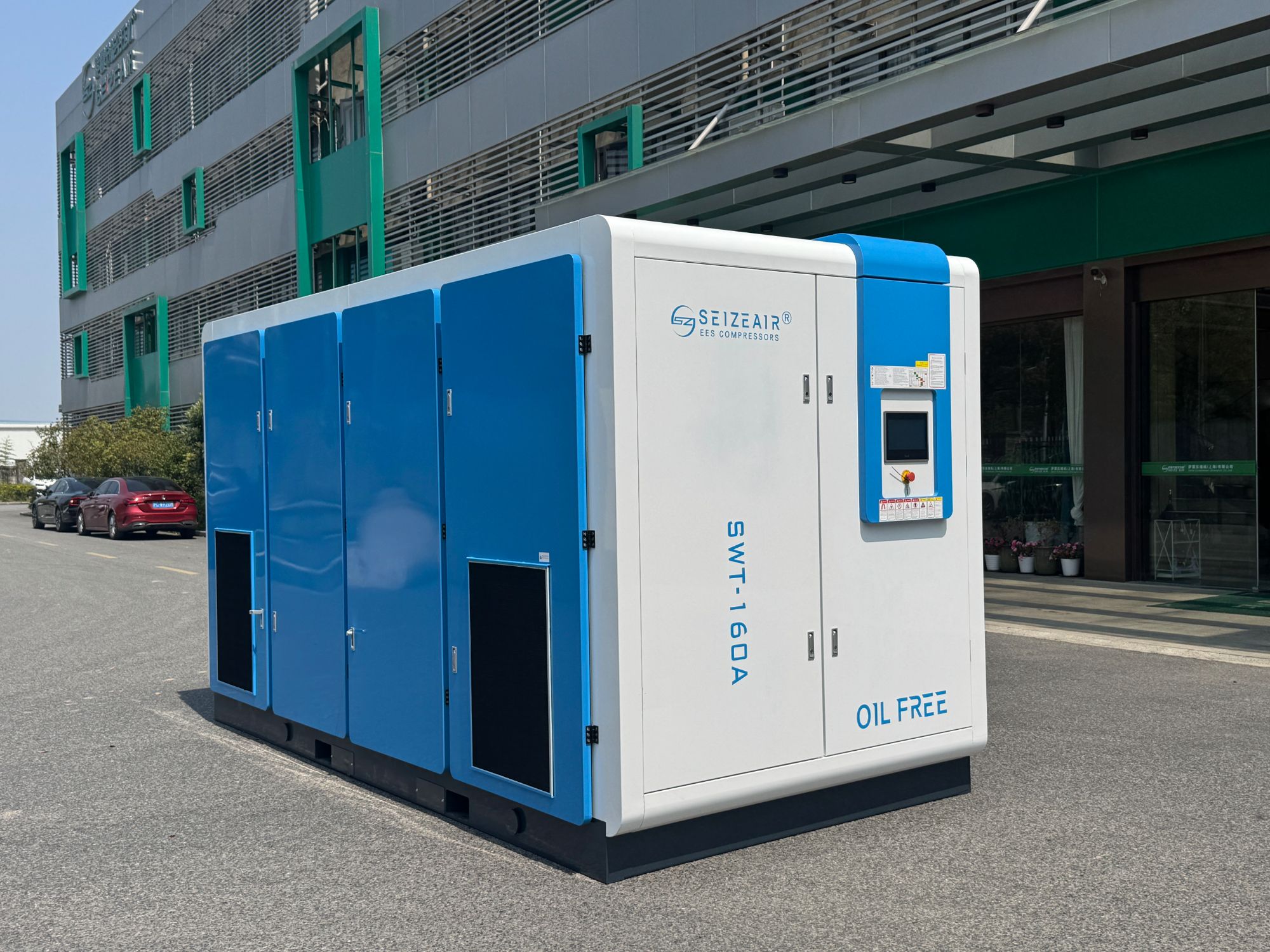
Modern dishwashers have transformed from clunky, roar-prone appliances into near-silent kitchen companions, thanks to a blend of thoughtful engineering and material upgrades. The secret often starts with the insulation—layers of sound-absorbing materials like bitumen, cotton fiber, or foam are strategically wrapped around the tub and motor housing. This dampens the vibration before it ever escapes into your kitchen, much like acoustic panels in a recording studio.
Beyond just padding, the machinery itself has been reimagined. Brushless motors, which operate without the friction and sparking of older designs, deliver power smoothly and quietly. Water circulation systems now use finely tuned impellers and optimized flow paths that minimize splashing and gurgling. Even the base and door panels are reinforced to prevent the hollow drum effect that amplifies sound, ensuring that the only thing you hear is a gentle hum—if you hear anything at all.
Benefits Beyond Clean Air: What Pure Output Means for Your Projects
When you think of purified air, the immediate benefit that comes to mind is respiratory health. But pure output is not just about removing particulate matter—it’s about delivering a level of air quality that fundamentally changes how your equipment operates. In precision manufacturing, for instance, minuscule contaminants can cause micro-abrasions on sensitive components, leading to premature wear or outright failure. By achieving a truly pure output, you create an environment where machinery runs smoother, calibration stays locked, and the integrity of every part is preserved long after it leaves the clean room. It’s a quiet shift that eliminates variables you didn’t even realize were costing you downtime.
Beyond equipment, the impact ripples into project timelines and resource allocation. When air purity is taken for granted, teams often schedule extra inspection rounds or buffer time to account for contamination-related defects. Pure output removes that hidden drag, allowing the workflow to match the theoretical cadence you designed. Materials that would otherwise be rejected due to airborne impurities make it through first pass, trimming waste quietly. Over the course of a full production cycle, this shaves hours—sometimes days—off delivery schedules, while freeing up skilled workers to focus on higher-value tasks rather than rework. The result is a project that feels less like a battle against invisible enemies and more like a controlled, repeatable success.
There’s also a deeper effect on the human element. Pure air isn’t a perk—it’s a psychological reset. In a workspace where the output is truly clean, operators notice fewer interruptions, less fatigue from airborne irritants, and a subtle but real boost in morale. When the environment consistently feels fresh without any trace of chemical off-gassing or stale humidity, people report better concentration and a stronger attachment to the quality of their work. It turns air management from a compliance checkbox into a genuine performance enhancer—one that makes your project not just technically sound, but humanly sustainable.
Key Innovations That Reduce Maintenance Headaches
One of the most impactful shifts in recent design is the integration of self-diagnostic sensors that actively monitor system health. Instead of waiting for a breakdown, components now communicate early warning signs—like temperature spikes or unusual vibration patterns—directly to a central hub, allowing teams to schedule fixes before small issues escalate. This predictive approach slashes unplanned downtime and extends the lifespan of critical machinery.
Modular architectures are also rewriting the rules of upkeep. By isolating high-wear parts into easily swappable modules, repair times shrink dramatically. Technicians no longer need to disassemble complex assemblies; they simply pull out a worn unit and click a new one into place, often without specialized tools. This keeps operations running with minimal interruption and drastically cuts inventories of spare parts.
Finally, advances in protective coatings and self-healing materials are quietly eliminating common failure points. Surfaces that resist corrosion, repel contaminants, or even repair micro-cracks on their own mean fewer inspections and replacements. These innovations work in the background, turning maintenance from a reactive chore into a rare, low-effort event.
Matching the Right Model to Your Everyday Needs
You might find that the best device isn't always the one with the highest specs. Think about what you actually reach for each day, whether that's a compact option for note-taking on the go or a larger screen that doubles as a sketchpad. Your choice should feel like an extension of your routine, not a compromise.
Consider how a model fits into the moments that matter most. If mornings are spent reading news over coffee, a lightweight build and crisp display could make all the difference. For evenings dedicated to creative projects, seamless stylus support and responsive touch are where the real value lies.
Beyond the spec sheet, it's the small design choices that shape your experience. The right model should fade into the background, letting you focus on the task without wrestling with settings or adapting to awkward interfaces. Prioritize what genuinely enhances your daily rhythm, and you'll end up with a tool that feels effortless.
What to Look for Beyond the 'Quiet and Clean' Label
A spotless room and undisturbed sleep are table stakes for any decent accommodation, but they only scratch the surface of a truly memorable stay. The soul of a place often lies in the overlooked details: the warmth of the afternoon light that slants through the window, the depth of the mattress that cradles rather than merely supports, or the presence of a chair so thoughtfully positioned you find yourself lingering in it long after you planned to leave. These elements don't shout for attention, yet they quietly shape the quality of your return to the space each evening.
Beyond the pristine sheets and soundproofed walls, consider how the property interacts with its surroundings. A room can be immaculate yet feel disconnected if the neighborhood's rhythm never reaches you, or if the only view is of a lifeless air shaft. The best stays act as an extension of the locale—maybe it's the baker’s whistle drifting up at dawn, or a windowsill wide enough to sit on and watch the street wake. These experiences anchor you to a place in a way that a mere place to sleep cannot, transforming a transient night into a small chapter of your journey.
Then there are the unseen gestures that elevate a stay from satisfactory to unforgettable. It might be the handwritten note that actually references something you mentioned in passing, or the way the lighting shifts effortlessly from bright to intimate without a tangle of switches. Pay attention to how a place makes you feel when you aren't necessarily using its features—the ease of navigating the room in the dark, the intuitive placement of hooks and surfaces. True comfort isn't always listed on an amenity checklist; it’s in the subtle orchestration of space that lets you exhale fully the moment you close the door.
FAQ
They don't emit oily fumes or residue, so the air stays cleaner and there's less mess. This makes them ideal for enclosed spaces where ventilation might be limited.
Many use advanced pump designs, sound-dampening enclosures, and slower motor speeds to reduce noise. Some also incorporate rubber mounts that isolate vibration.
Absolutely. Since there’s no oil in the compression chamber, there’s zero risk of oil contamination in the air stream, which is critical for applications like spray painting or food packaging.
Pay attention to the decibel rating, tank size, duty cycle, and whether it includes a built-in dryer. Portability and recovery time are also important if you’ll be moving it around or using it continuously.
Not really. You save on oil changes and disposal fees. The main wear item is usually the piston seal, which is simple and cheap to replace. Overall, they can be quite budget-friendly over time.
Not necessarily. Modern designs can deliver high CFM outputs while keeping decibels low. You might find slightly less torque in some smaller units, but many trade-offs have been engineered out.
With proper care, a quality oil-free compressor can last 10 to 15 years or more. It often depends on usage intensity and how well you stick to basic upkeep like draining the tank and cleaning filters.
You’ll mainly need to drain moisture from the tank regularly, clean or replace air filters, check for air leaks, and occasionally inspect the pump seals. No oil changes means less hassle.
Conclusion
The move toward oil-free air compressors is reshaping expectations on job sites and in workshops, and it’s not hard to see why. Quiet, clean air is no longer a luxury—it’s becoming the baseline for professionals who can’t afford contamination in sensitive applications like spray finishing, food packaging, or dental labs. The shift isn’t just about replacing lubricated pumps; it’s about adopting a completely different mindset where the purity of the output directly protects the integrity of the project. Modern oil-free units use advanced coatings, water-lubricated compression elements, or precision-engineered scroll mechanisms to eliminate oil from the compression chamber, which means the air that hits your tools is as pristine as it gets. And because there’s no oil to change, dispose of, or monitor, the long-term ownership equation starts to look very different—fewer consumables, less environmental hassle, and a cleaner workspace.
But ‘clean’ is only half the story. The claim of ‘quiet’ used to invite skepticism, yet newer designs have cracked the code with sound-dampening enclosures, low-RPM motors, and vibration-isolating mounts that bring noise levels down to conversation-friendly decibels. You can run these compressors in a shared shop, a basement studio, or even directly on a customer’s site without needing ear protection or apology. Beyond the obvious perks, the real wins are in how these machines handle real-world demands: some incorporate multi-stage filtration and refrigerated drying right out of the box, slashing preparatory steps and cutting moisture-related rework. Maintenance burdens are also shrinking, thanks to self-monitoring controllers that flag issues early and longer-lasting seals that stretch service intervals. When you’re choosing a model, the key is not to get hypnotized by decibel ratings and oil-free badges alone. Airflow recovery, duty cycle, tank size, and portability matter just as much, and the best picks blend these factors naturally. In the end, an oil-free compressor that truly delivers quiet, clean air is one that fits seamlessly into how you actually work—without making compromises you’ll feel every time you switch it on.
Contact Us
Contact Person: Mia
Email: [email protected]
Tel/WhatsApp: +86 19821985894
Website: https://www.seize-air.com