

Top Biostimulant Recommendations for China's Agriculture Industry
2026-06-19
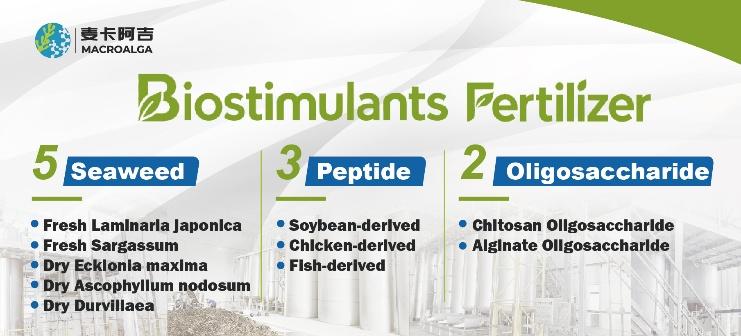
In the quest for sustainable agricultural practices, biostimulants have emerged as powerful tools for enhancing crop resilience and yields. For China's vast and diverse agriculture sector, selecting the right biostimulant is more critical than ever. Among the top contenders, MacroAlga's innovative macroalgae-based solutions are gaining attention for their proven ability to improve soil health and plant vigor. Let's dive into the best biostimulant recommendations tailored for China's unique farming challenges.
Maximizing Rice Yields with Targeted Biostimulant Use
Rice farmers are increasingly turning to biostimulants—not as a replacement for fertilizers, but as a precise tool to unlock the crop’s hidden potential. The trick lies in moving away from one-size-fits-all applications and instead using these products at moments when the plant genuinely benefits. For instance, a dose of seaweed extract during the tillering phase can encourage stronger root development and more productive stems, while a microbial inoculant applied at booting helps the plant cope with the energy demands of grain filling. It’s about reading the field, not just the calendar.
Different biostimulants serve distinct roles at each growth stage. Humic and fulvic acids, applied early, improve nutrient uptake from the floodwater, while amino acid blends sprayed at panicle initiation can reduce flower abortion and boost spikelet numbers. Later, a carefully timed application of silicon or chitosan can thicken cell walls against fungal attacks and lodging. The real yield gains appear when these inputs are combined in a sequence that mirrors the plant’s physiological needs, rather than simply being mixed into the tank with herbicides or pesticides.
Timing and placement are everything. Split applications of biostimulants—think 2-3 light foliar sprays—often outperform a single, heavier dose because they keep the plant in a steady state of low-level stress resilience. Droplet size, spray volume, and water pH all influence how well these compounds enter the leaf tissue. Farmers who adopt this targeted approach aren’t just chasing bigger yields; they’re also noticing fewer disease issues and a more uniform ripening, which means less waste at harvest. In the end, it’s a smarter, leaner way to get more grain out of every hectare.
Humic Acids for Soil Restoration in Intensive Farming Regions
In regions where intensive farming has stripped soils of their natural vitality, humic acids offer a practical way to rebuild what’s been lost. These complex organic molecules, formed during the decomposition of plant and microbial matter, act as a bridge between mineral particles and living biology. They don’t just passively sit in the soil; they actively bind to clay and sand, creating stable aggregates that resist compaction and erosion. This structural improvement alone can transform a field that previously puddled after rain or crusted over in the sun, allowing roots to penetrate deeper and water to infiltrate rather than run off. For growers tired of watching their topsoil wash away, incorporating humic substances is less a supplement and more a fundamental correction—restoring the physical foundation that decades of tillage and chemical inputs have undermined.
Beyond physical repair, humic acids revitalize the chemical and biological engines of the soil. They possess a high cation exchange capacity, meaning they hold onto nutrients like calcium, magnesium, and potassium, releasing them slowly as plants need them instead of letting them leach beyond the root zone. This buffering capacity is especially valuable in heavily farmed areas where synthetic fertilizers are used in high doses, often creating feast-or-famine nutrient cycles. At the same time, humic compounds feed and stimulate native microbial communities—bacteria, fungi, and actinomycetes—that break down organic residues and cycle nutrients. In a spoonful of restored soil, you’ll find a bustling ecosystem that naturally suppresses certain pathogens and improves plant resilience. It’s a shift from treating soil as an inert medium to recognizing it as a living system, one that can recover given the right molecular tools.
Seaweed Extracts: A Safer Bet for High-Value Vegetable Crops
Growers of premium vegetables—think heirloom tomatoes, baby greens, and colorful peppers—are constantly weighing the risks of using synthetic inputs against the need for consistent quality and yield. Seaweed extracts have quietly become a cornerstone for many of these operations, not because they promise miracles, but because they deliver a gentle, complex boost without the collateral damage often associated with harsh chemicals. Unlike high-nitrogen fertilizers that can push lush but weak growth, seaweed-based products work more like a subtle nudge to the plant’s own systems, improving stress tolerance, nutrient uptake, and overall vigor without creating a dependency or leaving behind residues that compromise market appeal.
What makes them particularly attractive for high-value crops is their low-risk profile. Many extracts are derived from sustainably harvested brown algae like Ascophyllum nodosum, processed to retain a wide array of bioactive compounds—cytokinins, betaines, mannitol, and trace minerals—that act synergistically. A single application can prime a plant to handle a dry spell or a sudden temperature drop more gracefully, which in turn protects the visual and textural qualities that buyers pay a premium for. There’s no worry about burning delicate leaves or tainting the flavor, and because they break down naturally, they fit neatly into integrated management plans without complicating certification or market access.
Amino Acid Blends to Combat Heat Stress in Southern Orchards
Southern orchards face relentless heat waves that push temperatures above what many fruit trees can comfortably handle. Prolonged exposure triggers a cascade of stress responses—leaf scorch, blossom drop, and reduced fruit set—that quietly chip away at yields. Blends of specific amino acids act like a physiological buffer, helping trees maintain metabolic balance when the mercury climbs. Instead of shutting down photosynthesis or diverting energy into repair, treated trees keep their stomata functioning longer, which means more carbon gain during critical growth windows.
The real difference lies in how these blends combine osmo-protectants such as proline with precursors for stress-related proteins and antioxidants. A foliar application before a forecasted hot spell primes the plant’s own defense pathways, reducing the buildup of reactive oxygen species that damage cell membranes. In sandy loam orchards from Georgia to Texas, growers who’ve adopted this practice often notice less fruit sunburn and a more even ripening pattern, even in varieties known to struggle with heat. Timing matters more than dosage—early morning sprays when leaf cuticles are receptive and temperatures are still moderate give the best results, letting the tree absorb the compounds before the day’s stress peaks.
Customized Microbial Consortia for Greenhouse Production
Tailored microbial blends are reshaping how we think about plant health under glass. Instead of relying on generic soil additives, growers now formulate consortia from locally adapted bacteria and fungi that thrive in the controlled humidity and temperature of greenhouses. These custom mixtures can kickstart nutrient cycling, suppress root pathogens, and even modulate plant hormone levels to improve fruit set and stress tolerance.
The real shift lies in how these consortia are assembled. Advanced DNA profiling of native greenhouse microbiomes allows scientists to select strains that naturally coexist and communicate. By combining, for instance, a nitrogen-fixing bacterium with a mycorrhizal fungus and a Pseudomonas strain that produces antifungal compounds, the consortium becomes more resilient and effective than any single microbe. The result is a living, self-regulating supplement that adapts to the crop’s growth stage and the substrate’s chemistry.
For tomato and pepper growers, this means fewer chemical inputs and a notable improvement in fruit quality. In trials, customized consortia reduced the incidence of damping-off by over 40% and increased the brix levels in cherry tomatoes. The approach also helps stabilize the rhizosphere during the stressful transition from nursery to production bays, ensuring uniform establishment. It’s a practical step toward regenerative greenhouse systems that work with nature rather than overriding it.
Field-Tested Biostimulant Strategies for Smallholder Farmers
In the patchwork fields of smallholder farms, where margins are thin and soil health can be fragile, biostimulants have moved from promising concept to practical necessity. These are not extravagant inputs, but carefully chosen tools: seaweed extracts brewed from local algae, vermiwash from on-farm worm beds, or fermented plant juices made from comfrey and nettle leaves. They work by nudging the plant's own physiology—triggering root growth before drought hits, or boosting chlorophyll density when sunlight is scarce—without the heavy footprint of synthetic chemistry. For a farmer with two acres and a single cow, the real innovation is learning to read a plant's silent signals and responding with a bottle of homemade tonic, not a bag of urea.
Timing turns a simple spray into a reliable strategy. In western Kenya, groups of women farmers have mapped their seasons to a biostimulant calendar: a lactic acid bacteria drench at transplanting to settle seedlings, a micronized seaweed mist when the first flowers appear, and a fish hydrolysate foliar feed during fruit fill. They don't rely on lab gear—just a pocket refractometer borrowed from a local cooperative to check Brix levels, and a shared notebook tracking leaf color and pest pressure. The result isn't just heavier harvests but a deeper confidence in observation. When a neighbor’s maize looks pale after heavy rains, they don't wait for an extension officer; they mix a quick amino acid treatment and teach the process on the spot.
Perhaps the least celebrated—and most scalable—strategy is the blend of biostimulant use with neglected local resources. In Bangladesh, rice farmers ferment water hyacinth into a potassium-rich liquid that doubles as a growth enhancer and a weed control measure. In the highlands of Peru, potato farmers steep a handful of quinoa saponin as a natural surfactant, then add a dose of cow urine and copper sulfate to create a broad-spectrum stress shield. These recipes are field-tested not just in plot trials but over generations, passed down in farmer field schools and modified over kitchen fires. They prove that effective biostimulant strategies aren't about buying a bottle off a shelf; they're about building a rhythm of observation, recycling sunlight and waste into plant resilience, and sharing what works.
FAQ
Biostimulants are substances or microorganisms applied to plants or soils to enhance nutrient uptake, stress tolerance, and overall growth. Unlike conventional fertilizers that directly supply nutrients, biostimulants work by stimulating natural plant processes. They include humic acids, seaweed extracts, beneficial bacteria, and enzymes that improve soil health and crop resilience without leaving chemical residues.
China faces mounting pressure to reduce chemical fertilizer use while feeding a huge population. Biostimulants offer a sustainable path by boosting crop yields and quality without harming the environment. Government policies increasingly support green agriculture, and farmers see tangible results—stronger plants, better drought resistance, and healthier soils—making these products a practical choice for modern farming.
For rice, seaweed-based extracts with auxins and cytokinins improve root development and grain filling. Humic acid formulations suit wheat by enhancing drought tolerance and microbial activity in the soil. Products like Sargassum-derived liquid concentrates and granular humates are popular due to their proven effects in local field trials across provinces like Jiangsu and Henan.
They improve fruit set, color, and sugar content while extending shelf life. Amino acid chelates and microbial inoculants excel in high-value crops like tomatoes, grapes, and citrus. For example, a fermented fish protein biostimulant can increase lycopene in tomatoes by up to 20%, translating into better market prices and less waste for growers in regions like Shandong.
Absolutely. In the arid north, humic substances with moisture-retaining polymers work best. The humid south benefits from microbial biostimulants that suppress fungal diseases. For the Tibetan Plateau, cold-tolerant bacterial strains help barley thrive. Local adaptation is key—what works in Guangdong may fail in Heilongjiang, so sourcing advice from provincial agricultural extension stations is wise.
The main hurdles are cost, lack of awareness, and inconsistent quality. Farmers can start with small-scale trials on part of their land, use government subsidies where available, and buy from reputable suppliers with transparent labels. Combining biostimulants with reduced chemical inputs also lowers overall expenses over time, making the switch financially viable.
The market is set to expand rapidly as regulations tighten and demand for safe food rises. We'll see more tailor-made solutions using data-driven precision agriculture. Innovations like nano-encapsulated biostimulants and synthetic biology will further improve efficiency. Ultimately, biostimulants will become a standard tool, not just an alternative, driving a greener Chinese agriculture.
Conclusion
China's agricultural sector stands at a crossroads where sustainable intensification is no longer optional but essential. The strategic deployment of biostimulants offers a pathway to reconcile high productivity with ecological stewardship. In rice paddies, targeted formulations that blend seaweed extracts with specific amino acids have demonstrated remarkable results, boosting grain filling and resilience against lodging without increasing chemical inputs. For the vast swathes of intensive farming regions plagued by soil degradation, humic acids emerge as a cornerstone technology—their capacity to chelate nutrients and foster microbial diversity restores tilth in ways that synthetic conditioners cannot match. Meanwhile, high-value vegetable growers are turning to seaweed-based products as a safer alternative, as these extracts enhance nutrient uptake and stress tolerance, reducing reliance on agrochemicals while meeting stringent food safety standards demanded by domestic and export markets.
In southern orchards where heatwaves increasingly threaten fruit set, custom amino acid blends are proving indispensable, mitigating oxidative damage and promoting recovery during critical phenological stages. The greenhouse sector, a pillar of China's drive for year-round supply, is witnessing a shift toward designer microbial consortia tailored to specific crop-soil systems, amplifying nutrient cycling and disease suppression. Crucially, smallholder farmers—who form the backbone of the industry—are gaining access to field-tested, cost-effective biostimulant protocols that integrate easily with existing practices, from seed treatments to foliar sprays. These recommendations are not merely a catalogue of products but a holistic framework: biostimulants are most transformative when selected and timed according to regional stressors, crop physiology, and farmer capability. By embracing such nuanced strategies, China's agriculture can enhance yield stability, repair degraded ecosystems, and carve a path toward genuinely regenerative production.
Contact Us
Contact Person: Kevin ZHANG
Email: [email protected]
Tel/WhatsApp: 8613505438449
Website: https://www.macroalga.com/