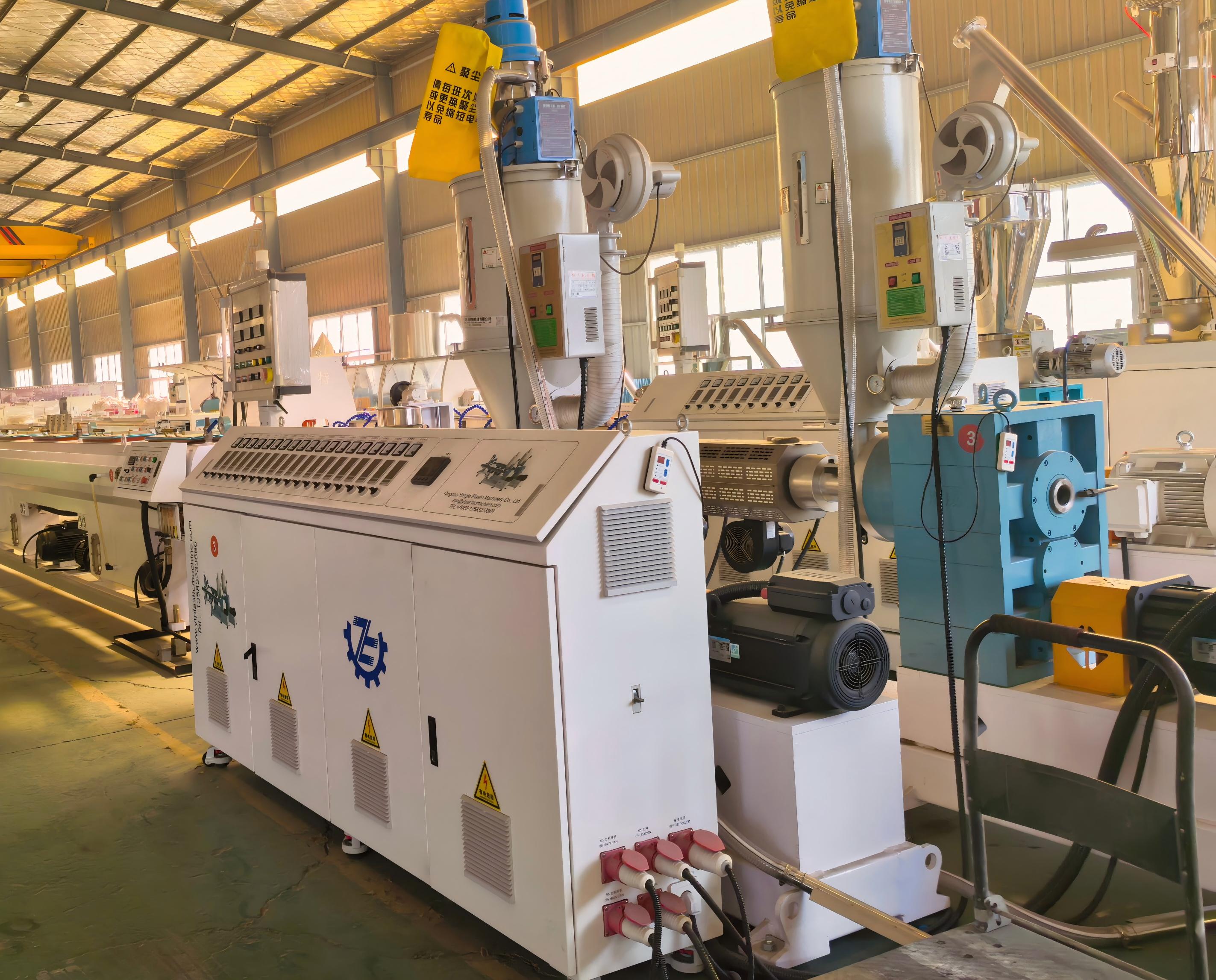

Top PVC Pipe Machines: Best Equipment for PVC Pipe Manufacturing
2026-04-17
In the competitive world of PVC pipe manufacturing, selecting the right machinery isn't just about functionality—it's a strategic decision that impacts efficiency, quality, and long-term success. This guide delves into the top PVC pipe machines shaping the industry, offering insights into the best equipment available. With brands like Yongte leading innovations, these advanced tools help manufacturers stay ahead of the curve. Get ready to explore the technology that drives modern production and discover how investing in the right machinery can transform your operations. Click through to learn more about the machines that set the standard in PVC pipe manufacturing today.
Essential PVC Extrusion Systems for High-Quality Production
In the realm of high-quality PVC production, the selection of extrusion systems can make or break your output. These aren't just machines; they're finely tuned ecosystems, tailored to handle the unique properties of PVC, from its thermal sensitivity during melting to the precision needed in cooling and shaping. A top-tier system integrates advanced temperature controls to prevent degradation, high-powered screws for consistent mixing, and robust dies that ensure uniform profiles—every component works in harmony to reduce defects and boost durability, meeting tight industry standards without compromise.
What sets apart exceptional PVC extrusion setups is their adaptability to diverse applications, whether you're crafting rigid pipes or flexible profiles. By incorporating modular design elements, like interchangeable screws and dies, these systems allow for quick adjustments between product lines, minimizing downtime and maximizing efficiency. This flexibility, paired with real-time monitoring through sensors and software, enables operators to fine-tune parameters on the fly, ensuring consistent quality across batches and adapting to evolving market demands with ease.
Beyond just performance, investing in reliable PVC extrusion technology pays off in sustainability and cost savings. Modern systems are engineered for energy efficiency, using optimized heating and cooling cycles to cut power consumption, while advanced reclaim systems recycle scrap material back into the process, reducing waste. This not only lowers operational expenses but also aligns with eco-friendly practices, making your production line more competitive in a market that values both quality and responsibility.
Advanced Cooling and Calibration Technologies to Ensure Precision
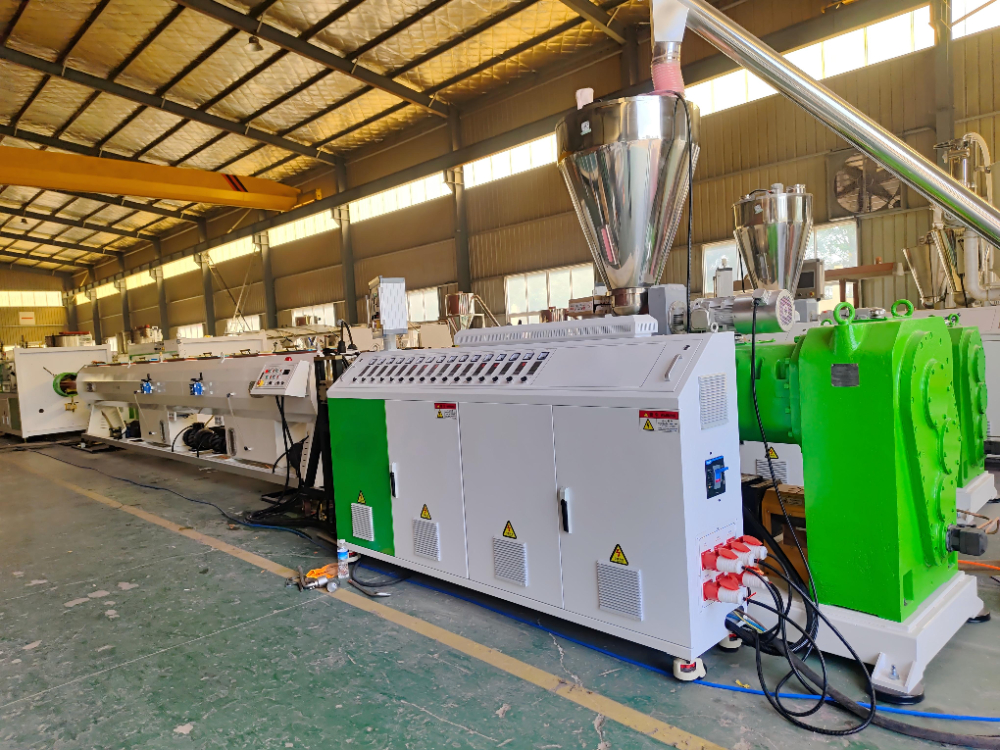
Maintaining precise performance in systems often hinges on effective thermal management, with advanced cooling technologies playing a key role. Techniques like active liquid cooling or phase-change materials go beyond basic fans, controlling temperature fluctuations that might otherwise skew results. For instance, in applications where micro-level stability is critical, such as semiconductor manufacturing or scientific instruments, these solutions mitigate drift by keeping components within tight thermal bands. This not only enhances repeatability but also extends equipment lifespan by reducing stress from heat cycles.
Complementing cooling, sophisticated calibration methods ensure that instruments stay true to their intended measurements over time. Calibration isn't just a one-time setup; it involves ongoing processes using high-accuracy references and automated algorithms. By integrating self-correction features or predictive analytics, systems can adjust for wear or environmental changes, minimizing human intervention. In fields like aerospace or medical diagnostics, where tiny errors can have large consequences, this dual approach—cooling to maintain stability and calibration to verify accuracy—creates a robust framework for trust in data outputs.
Together, these technologies form a synergy that elevates precision beyond basic specs. It's the combination that matters: cooling handles the 'noise' from heat, while calibration fine-tunes the 'signal.' Innovations in this space, such as AI-driven adaptive systems, are pushing boundaries by learning from usage patterns to optimize performance dynamically. Ultimately, this focus on precision through integrated cooling and calibration isn't just about hitting numbers—it's about building reliability that end-users can depend on day after day, without second-guessing the results.
Innovative Cutting and Sawing Machines for Custom Pipe Lengths
Precision in pipe fabrication is non-negotiable for modern construction and manufacturing projects, where custom pipe lengths often define the success of intricate systems. Innovative cutting and sawing machines have revolutionized this process, offering unparalleled accuracy and efficiency. These advanced tools leverage technologies like CNC (Computer Numerical Control) and laser guidance to ensure each cut meets exact specifications, minimizing waste and reducing labor-intensive adjustments. From industrial pipelines to HVAC installations, the ability to swiftly produce bespoke pipe segments on-site or in-shop streamlines workflows, enabling faster project completion while adhering to strict quality standards. This technology not only enhances productivity but also supports sustainability by optimizing material usage and reducing scrap.
Beyond basic cutting, these machines incorporate adaptive features that cater to diverse materials and complex designs, handling everything from steel and copper to plastics with ease. For instance, automated sawing systems equipped with intelligent sensors can adjust blade speeds and angles in real-time, preventing damage to sensitive pipes and ensuring clean, burr-free edges. Such innovations are particularly vital in sectors like shipbuilding or oil and gas, where custom pipe lengths must withstand extreme pressures and environmental conditions. By integrating user-friendly interfaces and remote monitoring capabilities, operators can fine-tune parameters for each job, fostering a seamless transition from design to fabrication without compromising on safety or precision.
What truly sets these machines apart in today's competitive market is their scalability and versatility, allowing businesses of all sizes to tackle custom pipe projects with confidence. Unlike traditional methods that rely on manual measurements and cut-offs, contemporary equipment supports batch processing and rapid prototyping, making it ideal for both large-scale production runs and one-off custom orders. This adaptability empowers manufacturers to respond swiftly to client demands, whether it's creating unique plumbing configurations for architectural marvels or ensuring compliance with evolving industry regulations. Ultimately, investing in state-of-the-art cutting and sawing technology translates into a competitive edge, as it elevates craftsmanship and reliability, ensuring every custom pipe length fits perfectly into its intended application.
Robust Printing and Marking Equipment for Durable Identification
When it comes to ensuring long-lasting identification in industrial settings, robust printing and marking equipment is the unsung hero. These machines are built to handle the toughest environments, from dusty warehouses to high-heat production lines, delivering crisp, durable marks that withstand wear and tear. Unlike standard printers, they're engineered with heavy-duty components, such as hardened print heads and corrosion-resistant casings, making them reliable partners for applications like automotive part labeling, electronics serialization, or pharmaceutical packaging.
What truly sets this gear apart is its adaptability across varied materials and surfaces. Whether you're marking on metals, plastics, textiles, or ceramics, advanced systems offer customizable solutions—think laser engravers for deep-set codes or inkjet printers with specialized pigments that resist fading. This flexibility ensures that every item, from tiny circuit boards to large machinery parts, gets a clear, permanent identifier that won't smudge or degrade over time, crucial for traceability and safety compliance.
Beyond just durability, modern equipment focuses on efficiency and user-friendliness, integrating smart features like automated calibration and remote monitoring. This means less downtime and more consistent output, helping businesses streamline operations while maintaining high-quality standards. In a world where product identification can make or break supply chains, investing in robust printing and marking tools isn't just an upgrade—it's a strategic move toward reliability and long-term success.
Efficient Haul-Off and Puller Units to Maintain Consistent Output
When it comes to ensuring steady production in manufacturing, efficient haul-off and puller units are often the unsung heroes. These components work behind the scenes, gently guiding materials through the line while applying just the right amount of tension. By maintaining a consistent pull force, they minimize stretching or distortion, which can lead to variations in product dimensions. That means fewer rejects and a smoother workflow overall, keeping output on track without costly interruptions.
What sets modern puller units apart is their adaptability to different materials and speeds. Whether handling delicate films or robust cables, advanced models adjust automatically to changing conditions. Some even incorporate sensors that detect slight deviations in tension, making real-time adjustments to prevent jams or breaks. This smart responsiveness ensures that production lines remain efficient, even when switching between batches or dealing with unexpected material properties.
Beyond just pulling, these units contribute to energy savings and longer equipment life. By reducing strain on downstream machinery, they lessen wear and tear, cutting down on maintenance needs. In industries like plastics or textiles, where consistency is key, investing in high-quality haul-off systems can transform a good operation into a great one, delivering reliable output shift after shift.
Integrated Control Systems for Streamlined Manufacturing Processes
In today's fast-paced industrial landscape, integrated control systems are reshaping how factories operate by merging disparate technologies into a cohesive framework. Imagine a production line where robotics, sensors, and software communicate in real-time, automatically adjusting workflows to minimize delays and boost output. This isn't just about automation; it's about creating a responsive ecosystem that learns from data, predicts equipment failures before they happen, and adapts to changing demands without manual intervention. By eliminating silos between departments like inventory management and quality assurance, these systems ensure every component works in harmony, transforming traditional setups into agile, efficient operations that thrive on precision and speed.
What sets advanced integrated systems apart is their ability to scale seamlessly across diverse manufacturing environments, from small-batch custom production to high-volume assembly lines. They leverage modular designs that allow companies to plug in new technologies as they emerge, such as IoT devices or AI-driven analytics, without overhauling the entire infrastructure. This flexibility means businesses can start with basics like monitoring energy usage or tracking materials, then gradually add layers like predictive maintenance or real-time collaboration tools, all while maintaining a unified dashboard that gives managers a clear, actionable view of the entire process. The result is a dynamic setup that not only cuts costs by reducing waste and downtime but also fosters innovation by freeing up human resources for creative problem-solving and strategic planning.
Beyond mere efficiency gains, integrated control systems are revolutionizing manufacturing by embedding sustainability and customization into their core. For instance, by analyzing production data, these systems can optimize resource allocation, reducing carbon footprints by minimizing excess energy or raw material use. They also empower manufacturers to cater to niche markets, enabling rapid reconfiguration for bespoke products without sacrificing speed. In a world where consumer expectations are constantly evolving, this adaptability is key—it allows factories to pivot quickly in response to trends, supply chain disruptions, or regulatory changes, ensuring resilience and competitiveness. Ultimately, these systems don't just streamline processes; they build smarter, more responsive factories that are better equipped to meet the challenges of a modern economy.
FAQ
Leading options for PVC pipe extrusion include models from companies like KraussMaffei and Battenfeld, which offer high-speed production and precise diameter control, essential for efficient manufacturing.
Selecting the ideal equipment depends on factors like production volume, pipe diameter range, and budget; consulting with manufacturers for tailored advice ensures you get a machine that fits your specific requirements.
Key features to prioritize include energy-efficient drives, digital control systems for consistent output, and robust cooling systems to maintain product quality during high-volume runs.
Yes, compact extrusion lines from brands like Cincinnati Milacron provide affordable solutions for smaller operations, balancing initial investment with reliable performance and lower maintenance costs.
Automation enhances efficiency by reducing manual labor, minimizing errors in cutting and sizing, and allowing for continuous operation, which boosts overall productivity and consistency in pipe quality.
Regularly clean dies and screws, lubricate moving parts, and monitor temperature settings to prevent wear; scheduling annual professional inspections also helps avoid costly downtimes and extends machine durability.
Conclusion
The manufacturing of PVC pipe relies on a combination of specialized machinery that ensures both high quality and efficiency. Essential extrusion systems form the core of production, where raw PVC material is precisely melted and shaped into continuous pipe profiles. This process is immediately followed by advanced cooling and calibration technologies that guarantee dimensional accuracy and prevent deformation, establishing the fundamental integrity of each pipe. Beyond formation, innovative cutting and sawing machines adapt to custom length specifications, while robust printing and marking equipment provides long-lasting identification—critical for compliance and traceability in various applications.
To sustain production flow, efficient haul-off and puller units maintain consistent tension and output speeds, preventing bottlenecks and ensuring uniform pipe quality. These mechanical components are seamlessly integrated with sophisticated control systems that streamline the entire manufacturing process, enabling real-time monitoring, adjustments, and automation. By harmonizing these six key equipment categories—extrusion, cooling, cutting, marking, pulling, and control—manufacturers can achieve reliable, high-volume production of durable PVC pipes, tailored to meet diverse industrial demands from plumbing to infrastructure.
Contact Us
Contact Person: Ms Qin
Email: [email protected]
Tel/WhatsApp: 8613583233866
Website: https://www.yongteplast.com